Prepare Jars: Examine all jars for cracks or chips and discard any damaged jars. Wash jars and rings in hot soapy water, rinse thoroughly, and keep jars hot in a 180°F oven or hot water until ready to fill.
Heat Lids: Place new canning lids in a small saucepan, cover with hot water at 180°F, and keep hot until ready to use. Do not boil lids as this may damage the sealing compound.
Prepare Canner: Fill your boiling water bath canner with enough water to cover jars by 1-2 inches when submerged. Begin heating water to a rolling boil while preparing sauce.
Process Tomatoes: Wash tomatoes and remove stems and any blemishes. Blanch tomatoes in boiling water for 60 seconds, then plunge into ice water. Remove skins and cores, then chop tomatoes, reserving all juice.
Process Tomatoes: Wash tomatoes and remove stems and any blemishes. Blanch tomatoes in boiling water for 60 seconds, then plunge into ice water. Remove skins and cores, then chop tomatoes, reserving all juice.
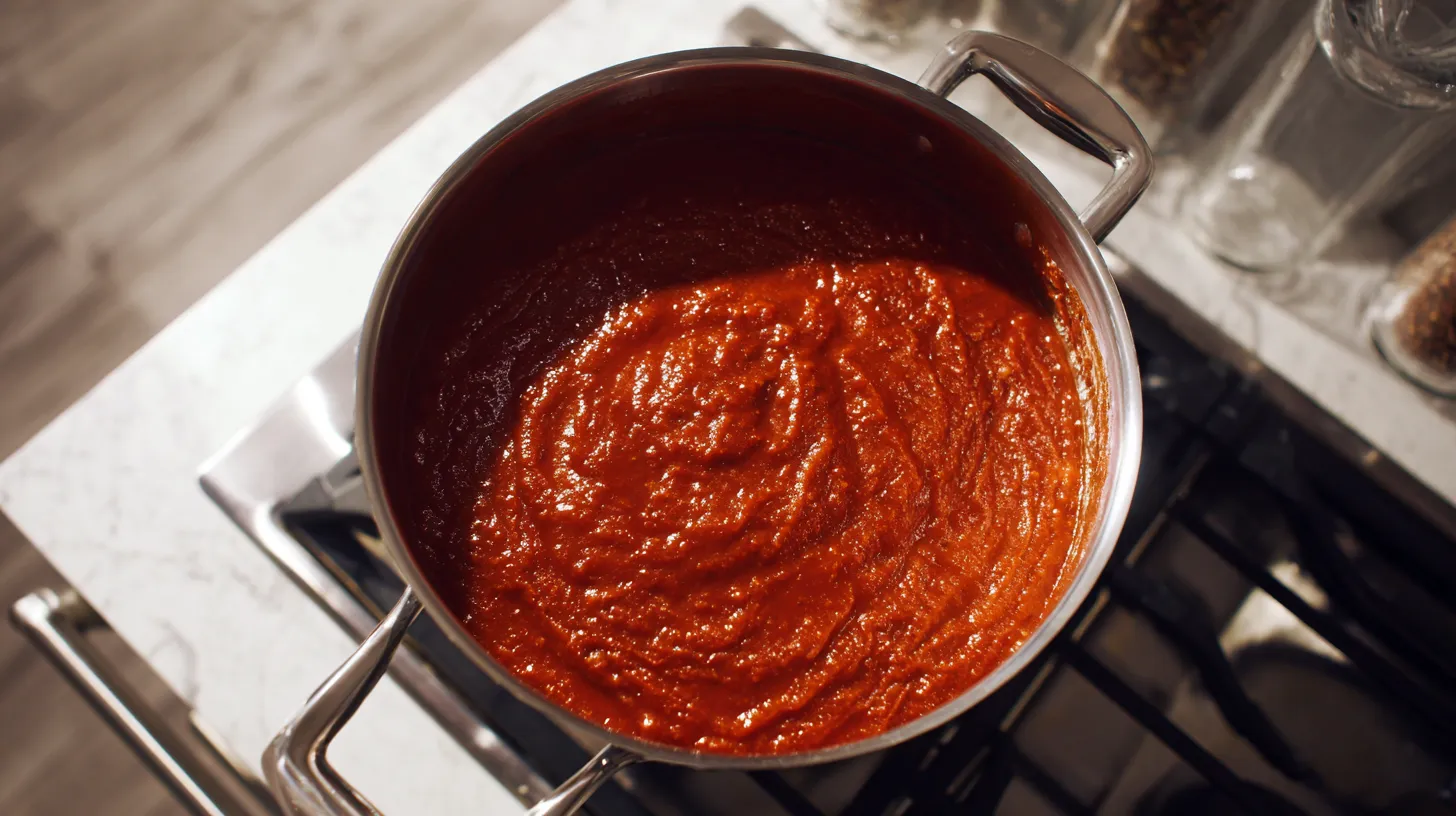
Cook Vegetables: In a large heavy-bottomed pot, sauté chopped onions, bell peppers, and garlic over medium heat until softened, about 5-7 minutes. Add chopped tomatoes with their juice and bring to a boil.
Simmer Sauce: Reduce heat to medium-low and simmer sauce uncovered, stirring frequently to prevent sticking, until sauce reaches desired consistency, usually 1-3 hours depending on tomato water content and preferred thickness.
Season Sauce: During the last 30 minutes of cooking, stir in basil, oregano, salt, and black pepper. Taste and adjust seasonings as needed, keeping in mind that flavors will concentrate during storage.
Add Required Acid: Place 2 tablespoons of bottled lemon juice in the bottom of each clean pint jar before filling with sauce. This acid addition is mandatory for safe water bath canning and cannot be omitted or substituted.
Fill Jars: Using a ladle and wide-mouth funnel, fill jars with hot sauce over the lemon juice, leaving exactly 1/2 inch headspace. Remove air bubbles by running a plastic tool around the inside of each jar and wipe jar rims clean with a damp paper towel.
Process in Water Bath: Center hot lids on jars and apply rings finger-tight only. Using jar lifter, place filled jars on canner rack and lower into boiling water, ensuring jars are covered by 1-2 inches of water. Process pint jars for 35 minutes or quart jars for 40 minutes, adjusting for altitude: add 5 minutes for 1,001-3,000 feet, add 10 minutes for 3,001-6,000 feet, add 15 minutes for above 6,000 feet. Remove jars and cool undisturbed for 12-24 hours.