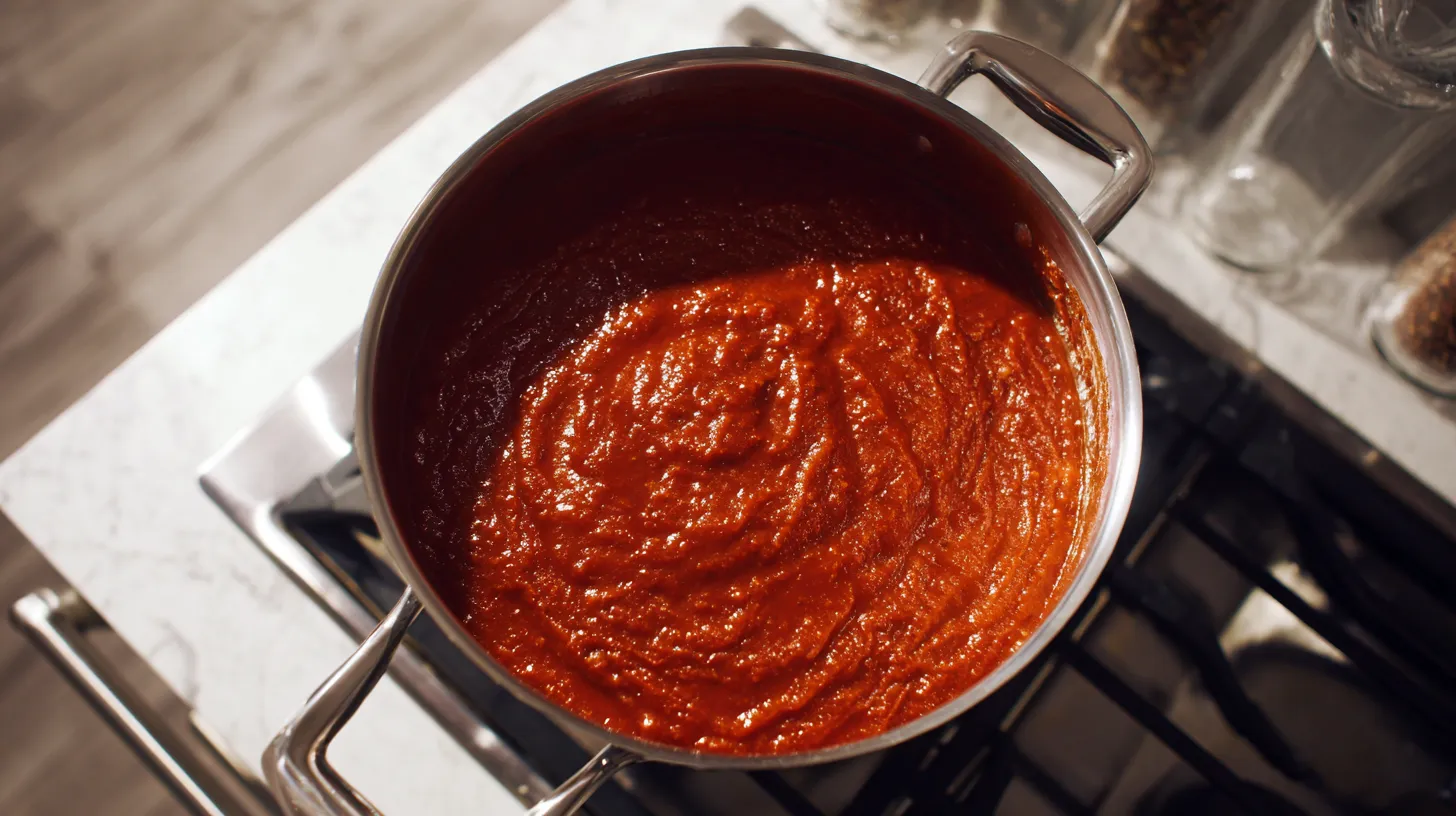
The smell of simmering tomatoes and fresh herbs transforms your kitchen into an Italian paradise. Rich, aromatic sauce bubbles away on your stove, capturing summer’s best flavors in every spoonful. You’re about to create liquid gold that will grace your family’s dinner table all year long. If you’ve been wondering about how to can spaghetti sauce without meat or looking for ways how to start canning your own marinara, this vegetarian approach offers incredible flavor and versatility. There’s something magical about preserving garden-fresh tomatoes when they’re at their absolute peak.
Why Can Meatless Spaghetti Sauce
Learning how to can spaghetti sauce without meat gives you incredible flexibility in the kitchen. Meatless sauce is safer and easier to preserve than versions with meat. You can add protein later when you’re ready to serve – ground beef, Italian sausage, or plant-based alternatives. This approach also accommodates various dietary preferences in your family. Vegetarian guests, Meatless Monday meals, or quick weeknight dinners all become effortless with your homemade sauce.
Best Tomatoes for Meatless Sauce
Choosing the right tomatoes makes all the difference in your finished sauce. Paste tomatoes like San Marzano, Roma, and Amish Paste create the richest, thickest sauce. They have less water content and more flesh, which means less cooking time and more concentrated flavor. If you’re using slicing tomatoes, expect to simmer longer to achieve proper thickness. Always choose fully ripe tomatoes for the sweetest, most robust flavor.
Essential Equipment for Sauce Canning
You’ll need some key tools to safely preserve your homemade sauce. A large, heavy-bottomed pot prevents scorching during the long cooking process. A food mill removes skins and seeds effortlessly if you want smooth sauce. Standard canning jars with new lids, a water bath canner, and basic canning tools complete your setup. These tools are investments that will serve you through countless batches of sauce.
- 30 pounds fresh tomatoes (paste varieties preferred)
- 2 cups chopped onions
- 1 cup chopped green bell peppers
- 6 cloves garlic, minced
- 1/4 cup fresh basil leaves, chopped (or 2 tablespoons dried)
- 2 tbsp fresh oregano (or 1 tablespoon dried)
- 2 tsp salt
- 1 tsp black pepper
- 2 tsp bottled lemon juice per pint jar (DO NOT substitute fresh)
Large heavy-bottomed pot for cooking sauce
Food mill or large strainer (optional for smooth sauce)
Boiling water bath canner or large stockpot with rack
8-9 pint (16 oz) canning jars with new lids and rings
Jar lifter, bubble removal tool, and headspace gauge
Ladle and wide-mouth funnel
Prepare Jars: Examine all jars for cracks or chips and discard any damaged jars. Wash jars and rings in hot soapy water, rinse thoroughly, and keep jars hot in a 180°F oven or hot water until ready to fill.
Heat Lids: Place new canning lids in a small saucepan, cover with hot water at 180°F, and keep hot until ready to use. Do not boil lids as this may damage the sealing compound.
Prepare Canner: Fill your boiling water bath canner with enough water to cover jars by 1-2 inches when submerged. Begin heating water to a rolling boil while preparing sauce.
Process Tomatoes: Wash tomatoes and remove stems and any blemishes. Blanch tomatoes in boiling water for 60 seconds, then plunge into ice water. Remove skins and cores, then chop tomatoes, reserving all juice.
Process Tomatoes: Wash tomatoes and remove stems and any blemishes. Blanch tomatoes in boiling water for 60 seconds, then plunge into ice water. Remove skins and cores, then chop tomatoes, reserving all juice.
Cook Vegetables: In a large heavy-bottomed pot, sauté chopped onions, bell peppers, and garlic over medium heat until softened, about 5-7 minutes. Add chopped tomatoes with their juice and bring to a boil.
Simmer Sauce: Reduce heat to medium-low and simmer sauce uncovered, stirring frequently to prevent sticking, until sauce reaches desired consistency, usually 1-3 hours depending on tomato water content and preferred thickness.
Season Sauce: During the last 30 minutes of cooking, stir in basil, oregano, salt, and black pepper. Taste and adjust seasonings as needed, keeping in mind that flavors will concentrate during storage.
Add Required Acid: Place 2 tablespoons of bottled lemon juice in the bottom of each clean pint jar before filling with sauce. This acid addition is mandatory for safe water bath canning and cannot be omitted or substituted. Fill Jars: Using a ladle and wide-mouth funnel, fill jars with hot sauce over the lemon juice, leaving exactly 1/2 inch headspace. Remove air bubbles by running a plastic tool around the inside of each jar and wipe jar rims clean with a damp paper towel.
Process in Water Bath: Center hot lids on jars and apply rings finger-tight only. Using jar lifter, place filled jars on canner rack and lower into boiling water, ensuring jars are covered by 1-2 inches of water. Process pint jars for 35 minutes or quart jars for 40 minutes, adjusting for altitude: add 5 minutes for 1,001-3,000 feet, add 10 minutes for 3,001-6,000 feet, add 15 minutes for above 6,000 feet. Remove jars and cool undisturbed for 12-24 hours.
- Always use bottled lemon juice, never fresh, to ensure proper acidity for safe canning
- Do not add meat, cheese, or other low-acid ingredients as these require pressure canning
- Do not thicken sauce with flour, cornstarch, or other starches before canning
- Maintain proper headspace and processing times exactly as specified for food safety
- Check that all lids have sealed properly before storing (lids should not flex when pressed)
- Store sealed jars in a cool, dark place for up to 18 months for best quality
- Refrigerate after opening and use within 1 week
- If sauce separates in jar, simply stir when ready to use – this is normal
- Always inspect jars before opening – discard if lid is bulging, leaking, or contents smell off
Step-by-Step Meatless Sauce Process
Start by washing and coring your tomatoes, then blanch them in boiling water for 60 seconds. The skins slip off easily after a quick ice bath. Core and chop your prepared tomatoes, keeping all that precious juice. In your large pot, sauté onions and garlic until fragrant and golden. Add your tomatoes, herbs, and seasonings.
Simmer your sauce slowly over medium-low heat, stirring regularly to prevent sticking. Good sauce can’t be rushed – patience creates depth of flavor. Cook until it reaches your desired thickness, usually 1-3 hours depending on your tomatoes. Taste and adjust seasonings throughout the cooking process.
Safe Canning Requirements for Vegetarian Sauce
Food safety is crucial when preserving tomato sauce. Tomatoes are borderline acidic, so you must add acid to ensure safe water bath canning. Add bottled lemon juice or citric acid to every jar – this step is mandatory, not optional. Never substitute fresh lemon juice, which can vary in acidity levels. Follow tested recipes exactly for safe preservation.
Proper Water Bath Processing
Fill your sterilized jars with hot sauce, leaving proper headspace as specified in tested recipes. Remove air bubbles carefully using a plastic tool. Wipe jar rims spotlessly clean before applying lids and rings. Process in a boiling water bath for the time specified for your jar size and altitude. Listen for those satisfying pops as jars seal properly.
Creative Flavor Variations
Once you master the basic technique, endless variations await your creativity. Add fresh basil for classic Italian flavor, or oregano and thyme for Mediterranean flair. Roasted red peppers create smoky sweetness. A splash of red wine adds sophistication. Each batch becomes your unique signature creation that reflects your family’s taste preferences.
Storage and Usage Tips
Store your properly sealed jars in a cool, dark place where they’ll maintain quality for up to 18 months. Label each jar with the date and flavor variation. When you’re ready to use your sauce, simply heat it gently and add any proteins or vegetables you desire. It’s perfect for pizza, lasagna, or any pasta dish.
Build Your Culinary Independence
Mastering meatless sauce preservation connects you to generations of home cooks who understood seasonal abundance. This fundamental skill builds food independence while creating pantry security for your family. When you learn how to start canning essential ingredients like sauce, you’re taking control of your family’s nutrition and building invaluable life skills.
There’s incredible satisfaction in opening your pantry and seeing rows of ruby-red sauce ready to create delicious family meals. You’re not just preserving tomatoes – you’re preserving traditions and building skills that will nourish your family for generations. So gather those tomatoes and let’s start building your amazing, self-sufficient kitchen together!