I'm a former tech executive who traded a corporate paycheck for a paid off house, homeschooled kids, and a family that hasn't needed the grocery store the same way in years - all from a suburban ranch home with no farm (yet).
Hi! I'm Janiece
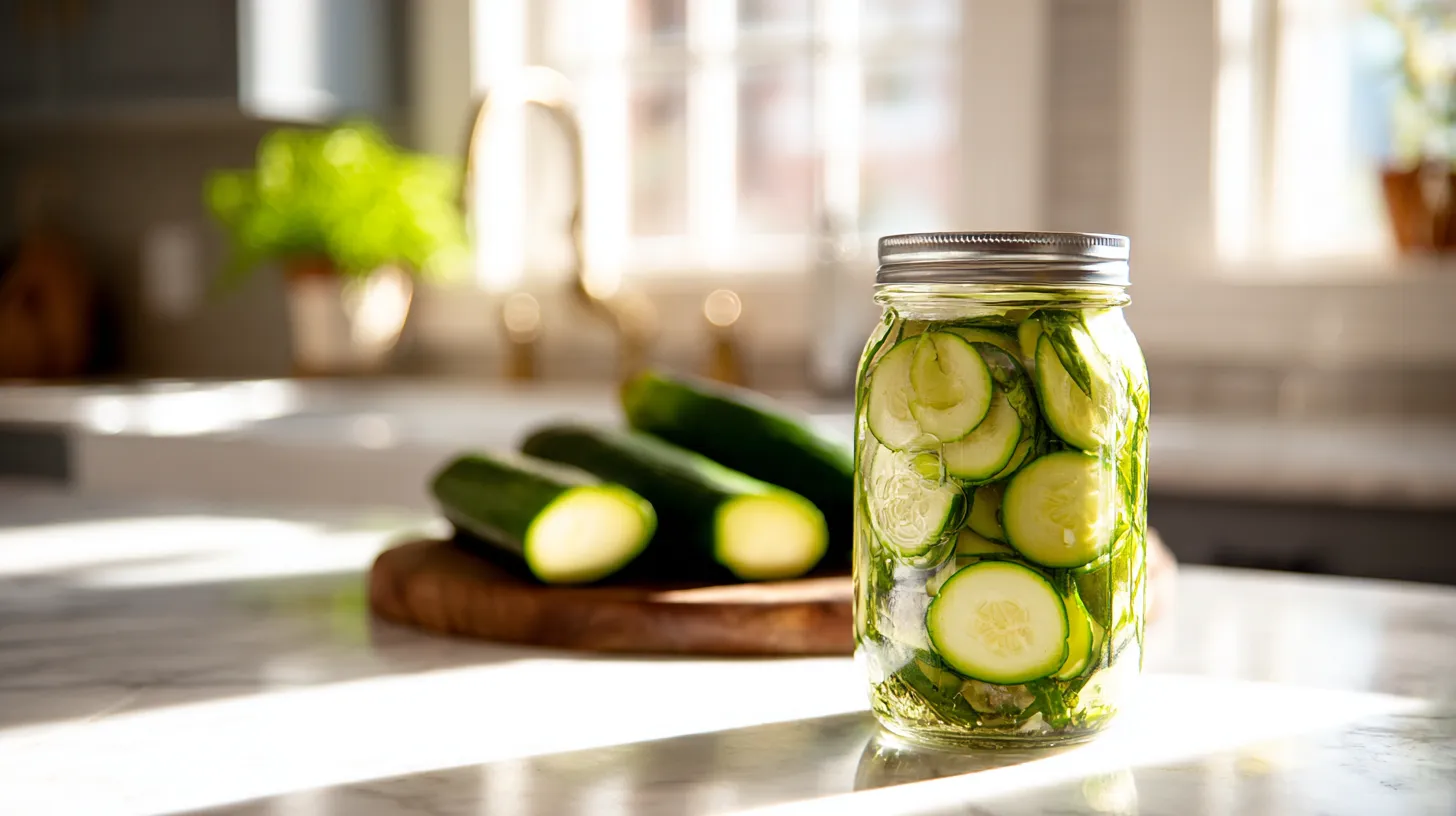
Every gardener knows the summer zucchini explosion – those prolific plants produce faster than any family can possibly eat fresh. Before you know it, you’re giving away grocery bags full to neighbors and still have counters overflowing with green abundance. If you’ve been searching for a recipe for canning zucchini or wondering how to start canning those endless summer squashes, you’re about to discover preservation methods that transform overwhelming harvests into pantry gold. There’s incredible satisfaction in turning what feels like too much of a good thing into convenient ingredients that will enhance meals throughout the year.
Why You Need a Recipe for Canning Zucchini
Learning to preserve zucchini gives you control over summer’s most abundant vegetable. Fresh zucchini doesn’t store well, but properly canned versions maintain their nutritional value and versatility for years. You can capture peak-season flavor when zucchini is most tender and mild. Having preserved zucchini means quick additions to soups, casseroles, or bread recipes without the last-minute grocery runs.
Best Zucchini for Preservation Success
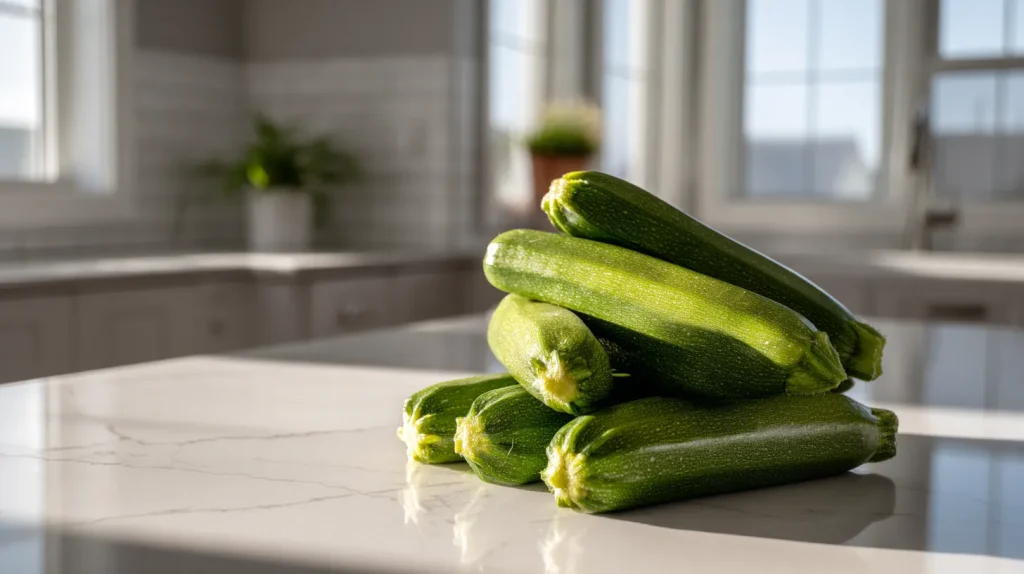
Choose young, tender zucchini that are 6-8 inches long for the best preservation results. The skin should be glossy and unblemished, with no soft spots or damage. Avoid overgrown zucchini with tough skin and large seeds – these won’t maintain good texture during processing. Smaller zucchini have better flavor and hold up beautifully during the canning process.
Essential Equipment for Zucchini Canning
You’ll need specific equipment for safely preserving zucchini at home. A pressure canner is absolutely essential – zucchini is a low-acid vegetable that requires pressure processing for safety. Sharp knives for uniform slicing, clean cutting boards, and sanitized work surfaces prevent contamination. Standard canning jars with new lids, pressure canning tools, and measuring equipment ensure successful preservation.
Safe Zucchini Preparation Methods
Start with the freshest zucchini possible, ideally processed within hours of harvest. Wash thoroughly and trim both ends, then slice into uniform pieces or dice according to your intended use. Some people prefer to salt sliced zucchini and drain for 30 minutes to remove excess moisture, though this step isn’t required for safety.
Zucchini Canning Recipe
Transform summer abundance into shelf-stable pantry ingredients.
1tspsalt per pint jar or 1 1/2 teaspoons salt per quart jar (optional)
1tbspbottled lemon juice per pint jar or 2 tablespoons per quart jar (optional for color retention)
Equipment
Pressure canner with accurate gauge (dial or weighted)
7 pint (16 oz) canning jars or 4 quart (32 oz) jars with new lids and rings
Jar lifter, bubble removal tool, and headspace gauge
Sharp knife and large cutting board for slicing zucchini
Large pot for hot pack method
Method
Prepare Jars: Examine all jars for cracks or chips and discard any damaged jars. Wash jars and rings in hot soapy water, rinse thoroughly, and keep jars hot in a 180°F oven or simmering water until ready to fill.
Heat Lids: Place new canning lids in a small saucepan, cover with hot water at 180°F, and keep hot until ready to use. Do not boil lids as this may damage the sealing compound.
Ready Canner: Add 2-3 inches of water to your pressure canner and place the rack inside. Begin heating the canner while preparing the zucchini to save time during processing.
Prepare Zucchini: Wash zucchini thoroughly and trim both ends. Cut zucchini into uniform slices 1/2 to 3/4 inch thick or dice into 1/2-inch cubes depending on your intended use. Do not peel as the skin helps maintain structure during processing.
Hot Pack Method: Place prepared zucchini in a large pot and add boiling water to barely cover. Bring to a boil and boil gently for 2 minutes to heat through and remove air from tissues. This method produces better texture and color in the finished product.
Fill Jars: Using a slotted spoon, pack hot zucchini pieces into hot jars, leaving exactly 1 inch headspace from the rim. Pack pieces firmly but do not crush or press down as this can prevent proper heat penetration.
Add Liquid and Seasonings: Add salt and lemon juice to each jar if desired, then cover zucchini with boiling water or cooking liquid from the pot, maintaining the 1 inch headspace. Ensure liquid covers vegetables completely but does not exceed headspace requirements.
Remove Air and Seal: Remove air bubbles by running a plastic tool around the inside of each jar, adjusting liquid level as needed to maintain proper headspace. Wipe jar rims thoroughly with a clean, damp cloth and center hot lids on jars with rings finger-tight only.
Load Canner: Place filled jars on the canner rack using a jar lifter, ensuring jars do not touch each other or the sides of the canner. Lock canner lid in place and heat on high until steam vents steadily for 10 minutes to purge air from canner.
Process Under Pressure: Place pressure regulator on vent and process at 11 pounds pressure for 30 minutes for pints or 40 minutes for quarts. Adjust pressure for altitude: 1,001-2,000 feet use 11 lbs, 2,001-4,000 feet use 12 lbs, 4,001-6,000 feet use 13 lbs, 6,001-8,000 feet use 14 lbs. After processing, turn off heat and let pressure return to zero naturally before opening canner.
Notes
NEVER use water bath canning for zucchini – pressure canning is mandatory for safety
Do not add oils, butter, or dairy products as these interfere with heat penetration and safety
Use only fresh, tender zucchini harvested within 24 hours for best quality and safety
Maintain proper headspace and processing times exactly as specified for food safety
Check pressure gauge accuracy annually at your local extension office
Store properly sealed jars in a cool, dark place for up to 5 years for best quality
Always inspect jars before opening – discard if lid is bulging, leaking, or contents smell off
Zucchini may become soft during storage and this is normal for this tender vegetable
If any jar fails to seal properly, refrigerate immediately and use within 3 days
Popular Preservation Techniques
A basic recipe for canning zucchini creates versatile sliced or diced pieces perfect for multiple uses. Zucchini relish combines squash with onions and peppers for tangy condiments. Zucchini bread mix in jars creates convenient baking ingredients. Mixed vegetable combinations including zucchini offer complete meal starters. Each method requires specific processing times and techniques.
Critical Safety Requirements
Here’s where food safety becomes absolutely crucial for successful preservation. Zucchini must be pressure canned because it’s a low-acid vegetable that can harbor dangerous bacteria. Follow tested recipes exactly – never experiment with ingredients, acid levels, or processing times. The consequences of improper vegetable canning can be serious, so always use current USDA-approved methods.
Proper Processing Techniques
Pack prepared zucchini into sterilized jars according to your chosen recipe specifications. Raw pack and hot pack methods each have specific requirements for zucchini preservation. Add required liquids and maintain proper headspace throughout. Remove air bubbles carefully and ensure jar rims are perfectly clean before processing at correct pressure and time.
Creative Zucchini Combinations
Once you master basic preservation, exciting flavor combinations expand your options significantly. Italian-seasoned zucchini with herbs and tomatoes creates pasta-ready ingredients. Mexican-style preparations with peppers and spices offer versatile meal components. Sweet and sour zucchini pickles provide unique condiment options. Each variation adds culinary diversity to your preserved pantry.
Storage and Usage Applications
Store properly processed jars in cool, dark locations where they’ll maintain quality for several years. Label clearly with contents and processing dates for easy identification. Preserved zucchini works wonderfully in soups, stews, casseroles, and baked goods. It’s perfect for quick vegetable additions when fresh options aren’t available.
Troubleshooting Preservation Issues
Sometimes zucchini becomes softer than expected during processing, which is completely normal for this tender vegetable. The nutrition and safety remain excellent even if texture changes slightly. Any jars that don’t seal properly should be refrigerated immediately and used within several days.
Transform Your Harvest Overflow
Mastering a reliable recipe for canning zucchini transforms overwhelming garden abundance into year-round convenience. This essential preservation skill connects you to generations of gardeners who understood seasonal cycles and food security. When you learn how to start canning prolific vegetables like zucchini, you’re developing resilience and self-sufficiency that serves your family in countless ways.
Every jar represents victory over waste and commitment to sustainable living. You’re creating a legacy of resourcefulness while building practical skills that reduce grocery dependence and increase food security. Take that zucchini mountain and transform it into the foundation of a truly independent kitchen that celebrates abundance rather than being overwhelmed by it!
A daily 90-second lesson delivered straight to your inbox, with the exact steps I took to eliminate my dependencies - house, electricity, water, food - and get out in just 5 years (without leaving the suburbs, without acres of land).