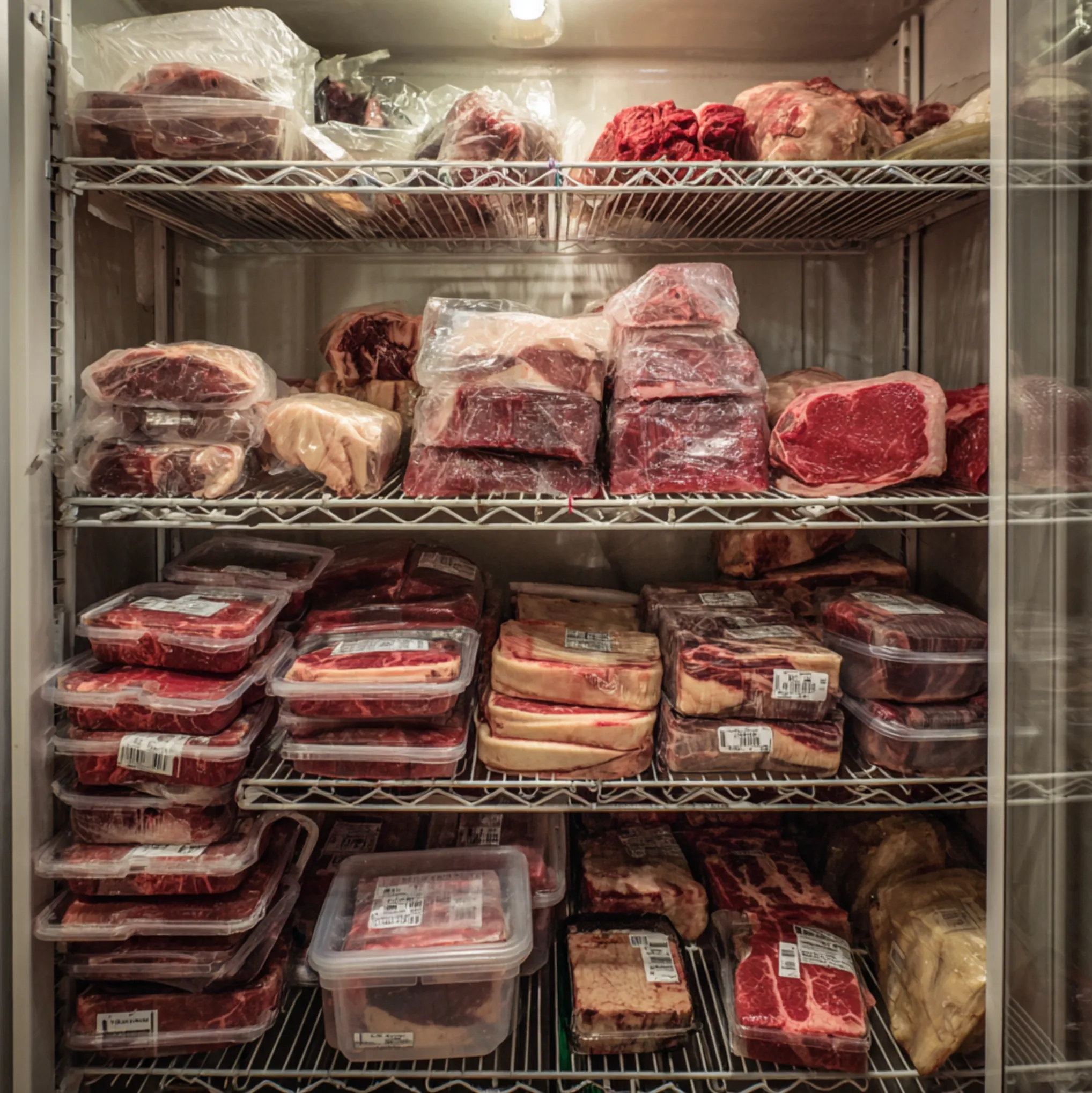


The Reality Check: Will Grocery Stores Run Out of Food?
The empty shelves during the early pandemic created images we’ll never forget. Bare produce sections. Missing bread aisles. Cleaned-out meat departments. These scenes made millions of people ask a question they’d never considered before: will grocery stores run out of food when we need them most?
You’ve wondered about the stability of our food system. You’ve questioned whether those well-stocked shelves represent true abundance or fragile illusion. You’re about to discover the honest reality about how our food supply chain works, what vulnerabilities exist, and practical steps you can take to protect your family regardless of what happens.
How Grocery Store Food Systems Actually Work
Understanding whether will grocery stores run out of food requires knowing how modern food distribution operates. Most grocery stores maintain incredibly lean inventory systems designed for efficiency rather than resilience. The average grocery store carries only 3-7 days worth of food for its customer base under normal shopping conditions.
This “just-in-time” delivery system relies on constant truck shipments arriving daily to restock shelves. Stores receive fresh deliveries multiple times per week, sometimes daily for perishable items. This system maximizes profit margins by minimizing storage costs and reducing food waste from spoilage.
The supply chain feeding your local store stretches across the globe. Produce travels thousands of miles from farms to distribution centers to stores. Meat processing facilities serve vast regional areas. Packaged goods come from centralized manufacturing plants shipping nationwide. This complex network operates smoothly under normal conditions but creates vulnerabilities when disrupted.
The Fragile Links in Our Food Chain
Several factors could answer “yes” to will grocery stores run out of food in specific situations. Transportation disruptions affect food delivery immediately. Fuel shortages, severe weather, or infrastructure damage can halt truck deliveries within days. When trucks stop rolling, stores empty quickly.
Labor shortages impact every level of food production and distribution. Farm workers, processing plant employees, truck drivers, and store staff all play critical roles. Significant labor disruptions can slow food production and distribution substantially. Recent years demonstrated how quickly these shortages affect food availability.
Weather events increasingly disrupt regional food supplies. Floods, droughts, hurricanes, and severe storms damage crops and distribution infrastructure. Climate change makes extreme weather more frequent and severe, creating ongoing challenges for consistent food production.
Economic factors can trigger food shortages through supply chain disruptions. Currency fluctuations, trade disputes, and economic instability affect international food imports. Fuel price spikes increase transportation costs and delivery challenges. These economic pressures can restrict food availability in affected regions.
Regional Vulnerabilities and Population Density
The question will grocery stores run out of food depends heavily on your location and population density. Urban areas with millions of residents face greater vulnerability due to limited local food production and higher demand. Major cities typically import virtually all food from distant sources, creating dependence on functioning transportation networks.
Rural areas often have better access to local food sources but fewer stores and distribution points. Small towns may have only one or two grocery options, making them vulnerable if those stores experience supply disruptions. However, rural communities often maintain stronger connections to local farmers and food producers.
Coastal regions relying heavily on imported foods face unique vulnerabilities from port disruptions or international supply issues. Mountain communities depending on trucked-in supplies can become isolated during severe weather events. Each region’s food security depends on its specific supply chain characteristics and geographic challenges.
Real-World Food Shortage Examples
Recent history provides clear examples answering will grocery stores run out of food under certain circumstances. The 2020 pandemic triggered widespread food shortages as panic buying overwhelmed supply chains designed for steady demand. Stores couldn’t restock fast enough to meet sudden demand surges.
Natural disasters regularly create temporary food shortages in affected areas. Hurricane Katrina, Texas winter storms, and California wildfires all disrupted local food supplies significantly. These events demonstrate how quickly stores empty when supply chains face major disruptions.
International conflicts affect global food supplies and prices. The war in Ukraine significantly impacted grain supplies worldwide. Trade disputes can restrict food imports and affect domestic availability. These global events show how interconnected our food system has become.
Building Your Food Security Alternatives
Smart families prepare alternatives rather than wondering will grocery stores run out of food during crises. Maintaining several weeks of non-perishable food at home provides security during temporary disruptions. Focus on foods your family actually eats regularly to ensure rotation and freshness.
Growing your own food creates the most reliable alternative to grocery store dependence. Even small gardens produce significant amounts of fresh vegetables during growing seasons. Container gardening works well for apartments and small spaces. Learning food preservation techniques extends your harvest throughout the year.
Learning how to become self-sufficient includes developing relationships with local farmers and food producers. Farmers markets, CSA programs, and direct farm purchases create alternative food sources independent of grocery store supply chains. These relationships often prove invaluable during wider supply disruptions.
Building community food networks strengthens regional resilience against supply chain disruptions. Neighborhood gardens, food sharing programs, and local food co-ops create distributed alternatives to centralized grocery systems. These community connections provide support during challenging times.
Practical Preparedness Without Panic
Reasonable food storage prevents panic during supply disruptions. Keep 2-4 weeks of essential foods your family enjoys eating. Rotate stock regularly to maintain freshness. Focus on shelf-stable items requiring minimal cooking and preparation during emergencies.
Diversify your food sources beyond single grocery stores. Shop at multiple stores, farmers markets, and direct from local producers when possible. This diversification reduces vulnerability to any single supply chain disruption affecting your food access.
Learn basic food preservation skills like canning, dehydrating, and fermentation. These skills extend fresh food storage life and reduce waste. They also provide alternatives when fresh foods become scarce or expensive.
Develop cooking skills using simple ingredients and basic pantry staples. Knowing how to prepare nutritious meals from basic ingredients reduces dependence on processed foods and prepared meals during supply disruptions.
The Balanced Perspective on Food Security
The honest answer to will grocery stores run out of food is “sometimes, in some places, temporarily.” Complete nationwide food system collapse remains unlikely, but regional and temporary disruptions happen regularly. Smart preparation protects your family during these temporary challenges.
Food security isn’t about fear or panic buying. It’s about understanding system vulnerabilities and taking reasonable steps to protect your family. You don’t need underground bunkers or years of stored food. You need practical alternatives and basic preparedness for temporary disruptions.
Modern grocery systems work remarkably well under normal conditions. However, their efficiency comes at the cost of resilience. Understanding this balance helps you make informed decisions about your family’s food security without falling into alarmist thinking.
Take Control of Your Food Future
Rather than worrying about will grocery stores run out of food, focus on building resilience through practical alternatives. Every step toward food independence strengthens your family’s security while connecting you to healthier, more sustainable food sources.
You deserve confidence in your family’s food security regardless of supply chain disruptions. Start with simple steps like expanding your pantry, learning basic preservation skills, or planting a small garden. These actions build genuine security while enriching your life with better food and valuable skills. Take control of your food future starting today.

Interested in learning to build more options out of the system? Click here. Or join my newsletter where I share tips each week.
Thanks for reading!


Food independence
How We Built A Years Worth of Food Security
Popular Posts

Self Sufficiency
My 2020 Wake Up Call That Changed My Life

self sufficiency
What Self Reliance Really Means

Food preservation
The #1 Skill That Saves Us $300/month


New around here? Start with these resources
the FREEBIES

How To Detox Your Home Naturally
download
Self Sufficiency Checklist
download
The World Full of Natural Remedies
download
A daily 90-second lesson delivered straight to your inbox, with the exact steps I took to eliminate my dependencies - house, electricity, water, food - and get out in just 5 years (without leaving the suburbs, without acres of land).
Fast track your exit path from 30 -> to 5 years
free email course

Join over 1K+ Individuals & families
