

The term “off the grid” appears everywhere these days – in YouTube channels showcasing remote cabins, social media posts celebrating simple living, and conversations about economic uncertainty. This phrase carries deeper significance than Instagram-worthy forest retreats and rustic aesthetics. You’re about to discover what off the grid meaning truly encompasses and why millions of people are embracing this concept as a pathway to genuine freedom and security.
You’ve heard off the grid meaning described as living in remote wilderness areas without modern conveniences. You’ve wondered whether this lifestyle applies only to extreme situations or radical departures from normal life. The reality extends far beyond romantic notions of cabin living to practical strategies for independence, resilience, and sovereignty over your family’s future.
What Does “On the Grid” Actually Mean?
Understanding off the grid meaning starts with recognizing what being “on the grid” involves in modern society. The “grid” represents interconnected systems providing essential services to your home and daily life. These systems create dependencies that most people never question until service disruptions occur.
The electrical grid delivers power to your home through complex networks of power plants, transmission lines, and distribution systems. This grid dependency means power outages immediately affect lighting, heating, cooling, appliances, and electronic devices. Your daily routine revolves around reliable electricity availability.
Water and sewer grids provide fresh water delivery and waste removal through municipal systems. These services require ongoing payments and function properly only when infrastructure remains intact. Water service disruptions immediately impact drinking, cooking, cleaning, and sanitation capabilities.
Natural gas grids deliver heating fuel through pipeline networks serving entire regions. This system provides convenient home heating and cooking fuel but creates dependence on external suppliers and infrastructure maintenance. Gas service interruptions affect heating and cooking capabilities immediately.
Internet and telecommunications grids connect you to global communication networks through cable, fiber, or wireless systems. These connections enable work, communication, entertainment, and information access but require ongoing service payments and functional infrastructure.
The True Off the Grid Meaning
Off the grid meaning encompasses independence from these interconnected utility systems through alternative solutions and self-sufficient approaches. This independence doesn’t necessarily require living in remote wilderness areas or abandoning modern conveniences entirely. It means controlling your essential services through personal systems rather than depending on external providers.
Energy independence represents the most common aspect of off the grid meaning. Solar panels, wind turbines, or micro-hydro systems generate electricity independently of utility companies. Battery storage systems provide power during periods without generation. These systems eliminate monthly electric bills while providing energy security during grid outages.
Water independence involves wells, rainwater collection, or other sources providing fresh water without municipal dependency. Water storage systems ensure availability during dry periods. Greywater and blackwater treatment systems handle waste without sewer connections. These solutions eliminate monthly water bills while ensuring reliable access.
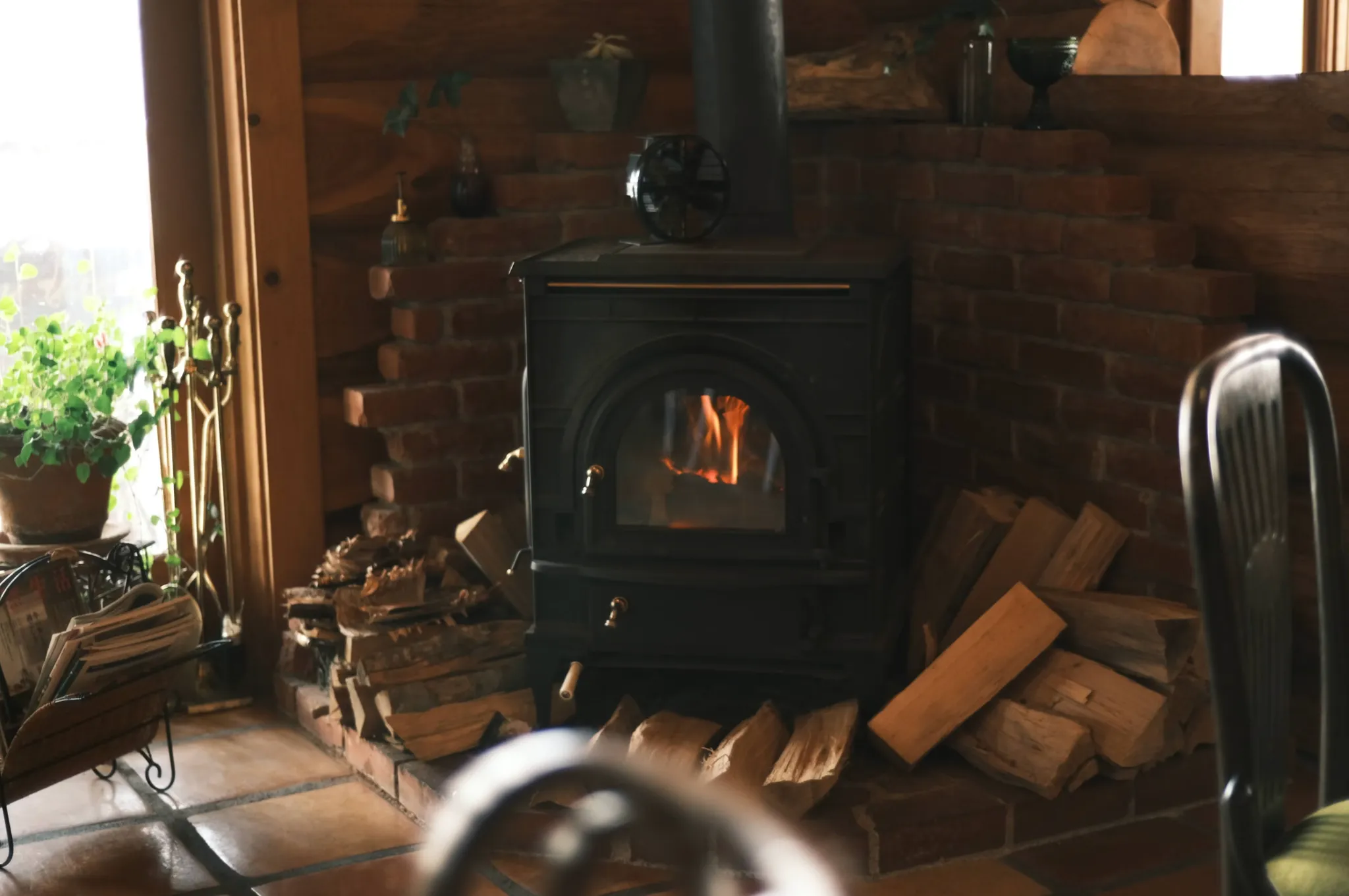
Heating independence utilizes wood stoves, solar heating, or geothermal systems rather than natural gas or electric heating. These systems provide warmth without ongoing utility bills while remaining functional during service disruptions. Cooking independence might involve wood stoves, solar cookers, or propane systems with adequate fuel storage.
Off the Grid Meaning Beyond Location
Many YouTubers glamorize off the grid meaning through remote cabin content in wilderness areas, but true independence transcends location. You can implement off-grid principles in urban, suburban, or rural settings based on your circumstances and goals. The concept applies wherever you choose to reduce utility dependencies.
Urban off-grid living might involve solar panels on city homes, rainwater collection systems, and urban gardens providing food independence. These solutions work within city limits while reducing dependence on external systems. Apartment dwellers can adopt off-grid principles through emergency preparedness, alternative energy sources, and reduced consumption.
If you can’t move to rural areas due to work, family, or financial constraints, off-grid principles still apply to your current situation. Small-scale solar systems, water storage, emergency heating sources, and food production create independence within existing locations. The principles matter more than the specific location or scale.
Learning how to become self-sufficient adapts to your specific circumstances rather than requiring dramatic lifestyle changes. Start with small steps reducing utility dependence while building skills and systems supporting greater independence over time.
Off the Grid Meaning: Sovereignty and Resilience
The deeper off the grid meaning involves sovereignty over your essential needs and resilience against external disruptions. This independence provides flexibility and security during job layoffs, economic uncertainty, or disagreements with mandated values affecting your community or region.
Economic resilience emerges when your essential services don’t depend on monthly payments to utility companies. Reduced living expenses provide financial flexibility during income disruptions. Energy, water, and heating independence eliminate significant monthly budget items while providing security against price increases.
Political resilience develops when your essential needs don’t depend on government policies or regulations affecting utility services. Energy independence provides options during power grid failures or service restrictions. Water independence ensures access during municipal service problems or quality issues.
Social resilience grows when your family’s comfort and security don’t depend on external systems vulnerable to disruption. Off-grid capabilities provide options during natural disasters, infrastructure failures, or social unrest affecting normal services. This resilience builds confidence and reduces anxiety about external events.
Off the Grid Meaning in Practice
Practical off the grid meaning involves gradual development of independent systems replacing utility dependencies. Start with backup power systems providing temporary independence during outages. Solar charging systems keep essential devices functional without grid electricity.
Water storage and filtration systems provide drinking water security independent of municipal supplies. Rainwater collection systems supplement or replace municipal water for some uses. These systems build gradually while maintaining normal utility connections initially.
Alternative heating sources like wood stoves provide warmth independent of natural gas or electric heating systems. Emergency cooking methods using camp stoves or solar cookers maintain food preparation capabilities during utility disruptions.
Food production through gardens, food storage, and preservation skills reduce dependence on grocery stores and supply chains. These capabilities provide nutrition security while reducing ongoing food costs significantly.
Embrace Your Independence Journey
Understanding off the grid meaning reveals pathways to genuine freedom from systems controlling most people’s daily lives. This independence isn’t about extremism or isolation – it’s about smart choices creating security, flexibility, and sovereignty over your family’s essential needs.
You deserve options during uncertain times while building resilience against disruptions affecting utility-dependent households. Off-grid principles create practical alternatives supporting your family’s security regardless of external circumstances. Start exploring off-grid solutions matching your situation and goals. Discover the incredible confidence that comes from controlling your essential services rather than depending entirely on external systems vulnerable to disruption, price increases, and political interference.

Interested in learning to build more options out of the system? Click here. Or join my newsletter where I share tips each week.
Thanks for reading!


Food independence
How We Built A Years Worth of Food Security
Popular Posts

Self Sufficiency
My 2020 Wake Up Call That Changed My Life

self sufficiency
What Self Reliance Really Means

Food preservation
The #1 Skill That Saves Us $300/month


New around here? Start with these resources
the FREEBIES

How To Detox Your Home Naturally
download
Self Sufficiency Checklist
download
The World Full of Natural Remedies
download
A daily 90-second lesson delivered straight to your inbox, with the exact steps I took to eliminate my dependencies - house, electricity, water, food - and get out in just 5 years (without leaving the suburbs, without acres of land).
Fast track your exit path from 30 -> to 5 years
free email course

Join over 1K+ Individuals & families
