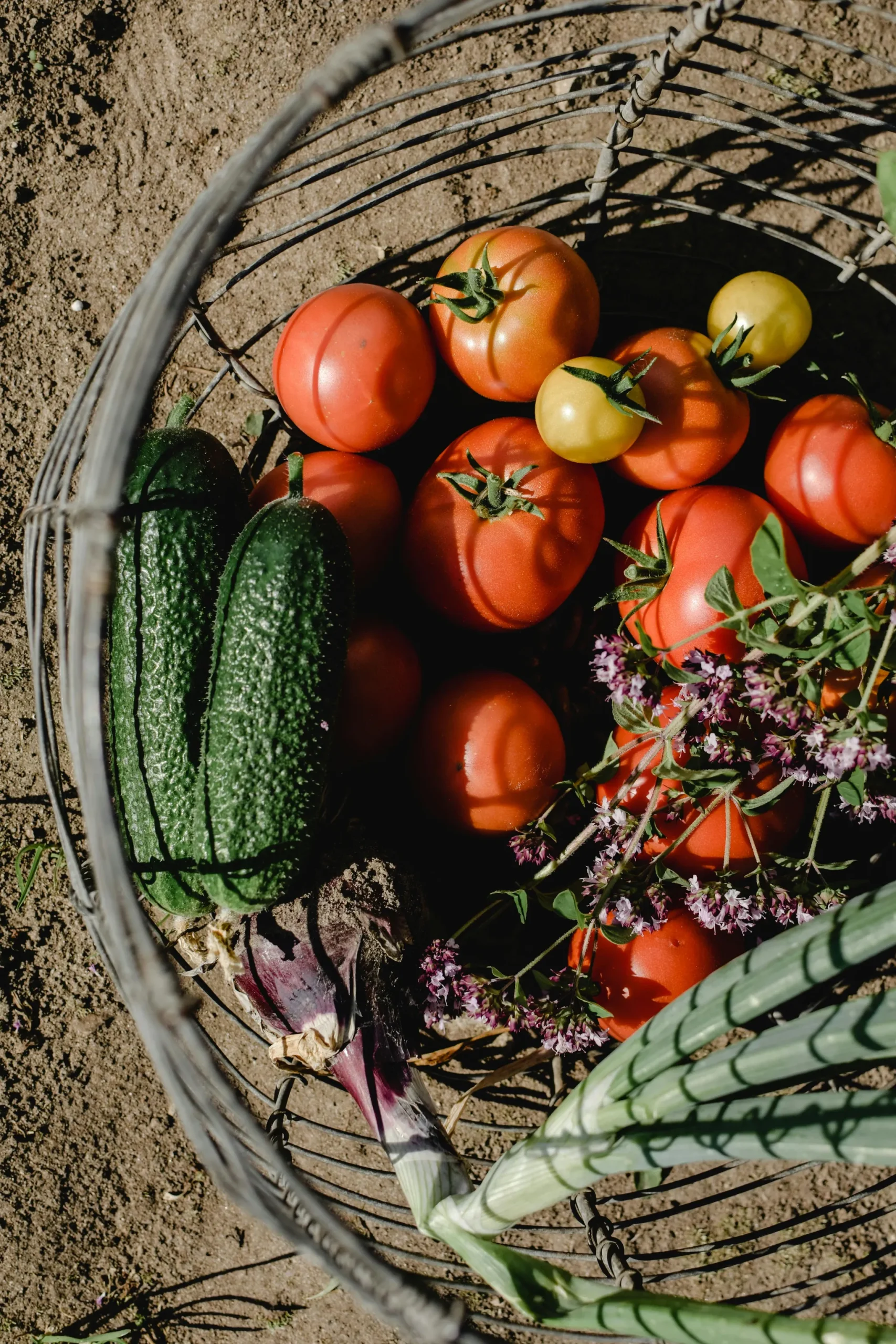


The vibrant purple carrot in your hand doesn’t exist at any grocery store. Its deep, mystical color tells a story spanning generations. This story celebrates biodiversity, flavor, and freedom that gardeners carefully preserved when they understood something we’ve forgotten. This isn’t just a vegetable. It’s living history connecting you to centuries of agricultural wisdom.
You’ve wondered what makes an heirloom vegetable so special. You’ve questioned why these varieties matter more in our modern world. You’re about to discover seeds representing far more than garden produce. These treasures unlock true food independence. They deliver remarkable flavors our ancestors took for granted.
What Is an Heirloom Vegetable Exactly
An heirloom vegetable is an open-pollinated variety gardeners pass down through generations. These varieties typically survive at least 50 years. Unlike modern hybrid seeds, each heirloom vegetable variety maintains genetic integrity when you save seeds from your harvest. The tomatoes you grow from saved seeds will mirror the parent plant exactly. They preserve unique characteristics gardeners carefully selected over decades or centuries.
These varieties showcase biodiversity at its finest. Each heirloom vegetable carries unique traits. Different flavors, colors, shapes, and growing characteristics thrive in specific conditions. Modern agriculture reduced thousands of vegetable varieties to just a handful of commercial options. Growing an heirloom vegetable preserves incredible diversity that once defined our food system.
Each heirloom vegetable’s genetic stability creates sustainable seed saving cycles continuing indefinitely. You grow these varieties and join an unbroken chain of gardeners. They preserved genetics through careful selection and saving. This creates food security independent of purchasing new seeds every season.
The Corporate Seed Reality
Large corporations make growing your own food increasingly challenging without limitation or legal hassle. Seed company consolidation into few major players dramatically reduced variety and availability for home gardeners. You may want to see how many seed companies Monsanto owns. This illustrates concentrated seed ownership.
Corporate control extends beyond simple ownership to legal restrictions on seed saving. Many commercial seeds carry patents and licensing agreements. These legally prohibit gardeners from saving and replanting seeds from harvests. This creates perpetual dependence systems. Gardeners must purchase new seeds every season regardless of growing success.
The implications reach beyond individual gardens. A handful of corporations control majority seed production. They determine which varieties survive and which disappear forever. This led to thousands of unique varieties disappearing. These varieties once provided genetic diversity and regional adaptation. Corporate priorities focus on uniformity, shipping durability, and shelf life. They ignore flavor, nutrition, and genetic diversity.
Heirloom Vegetable vs GMO vs Hybrid Seeds
You need to understand differences between heirloom vegetable varieties, GMO, and hybrid seeds for informed garden decisions. An heirloom vegetable develops naturally and reproduces true to type when you save seeds. Gardeners selected these varieties over time for specific traits. They maintained genetic integrity and seed-saving potential.
GMO seeds receive artificial laboratory alterations by inserting genes from other species. This never occurs in nature. These modifications include traits like herbicide resistance or pest resistance. They require laboratory techniques to achieve. GMO seeds typically can’t be legally saved due to patent restrictions. This creates seed company dependence.
Hybrid seeds result from crossing two different varieties to create offspring with specific desired traits. This occurs through natural breeding processes. The resulting plants often don’t reproduce true to type. Seeds saved from hybrid plants may not produce vegetables with parent characteristics. This makes seed saving unreliable for maintaining specific varieties.
Where to Find Real Heirloom Vegetable Varieties
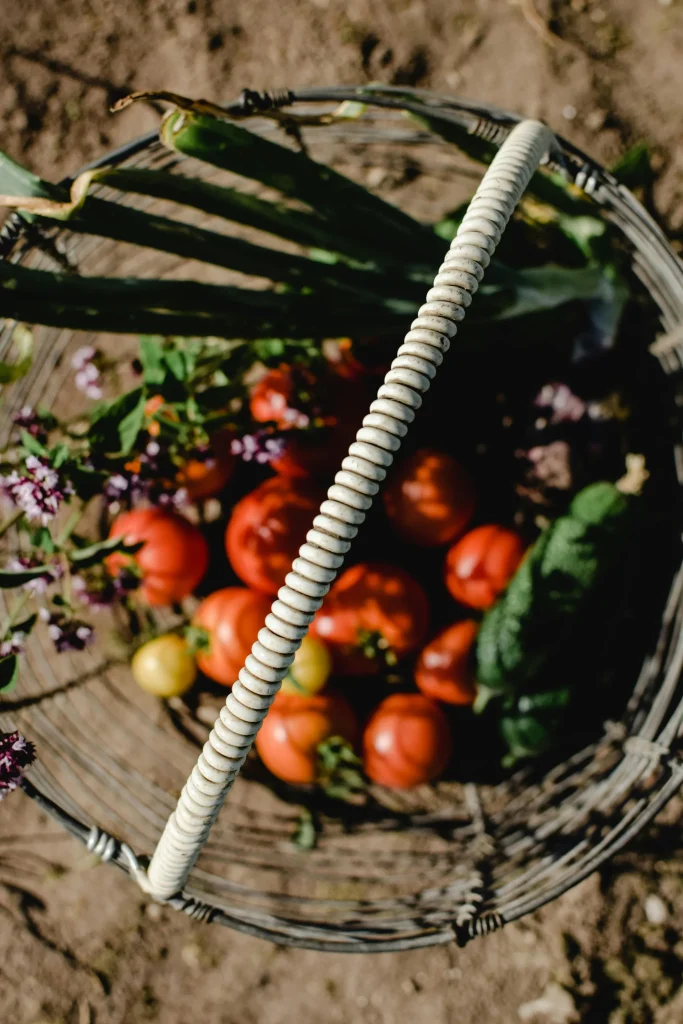
You won’t find true heirloom vegetable varieties at conventional grocery stores. Commercial food systems prioritize uniformity, shelf life, and shipping durability. They ignore unique characteristics making each heirloom vegetable special. You need seed suppliers or close relationships with local growers specializing in rare variety preservation.
My favorite heirloom vegetable seed supplier is Rare Seeds. They carry interesting varieties you can’t find anywhere else. Their catalog reads like a treasure map of forgotten flavors and lost colors. They feature varieties with names like Cherokee Purple tomatoes, Glass Gem corn, and Dragon Tongue beans. Each heirloom vegetable variety includes fascinating historical stories and growing tips. These connect you to cultures and gardeners who preserved these genetics.
Local seed swaps and gardening groups often become treasure troves of heirloom vegetable varieties. These adapt to your specific growing region. These community connections provide access to rare seeds. They also connect you with experienced growers understanding unique requirements and characteristics of different varieties.
Heirloom Vegetable vs Commercial Garden Center Seeds
Seeds you’ll find at Walmart and Home Depot represent dramatically different gardening approaches than heirloom vegetable varieties. Commercial garden center seeds typically focus on hybrid varieties. They choose these for uniformity, disease resistance, and broad climate adaptability. They don’t prioritize flavor, uniqueness, or seed-saving potential.
Commercial varieties often produce vegetables that look perfect but lack the complex flavors and unique characteristics of each heirloom vegetable. Breeding priorities emphasize traits benefiting commercial agriculture. Uniform size for mechanical harvesting. Extended shelf life for shipping. Consistent appearance for retail display. They ignore flavors and nutrition mattering most to home gardeners.
Each heirloom vegetable variety proves critical for your self-sufficiency and food independence. This becomes especially important after many seasons or years ahead. You grow these varieties and each successful harvest provides seeds for following year’s garden. This creates sustainable cycles not requiring annual seed purchases. This seed-saving capability becomes invaluable for long-term food security and independence.
Building Genetic Diversity in Your Garden
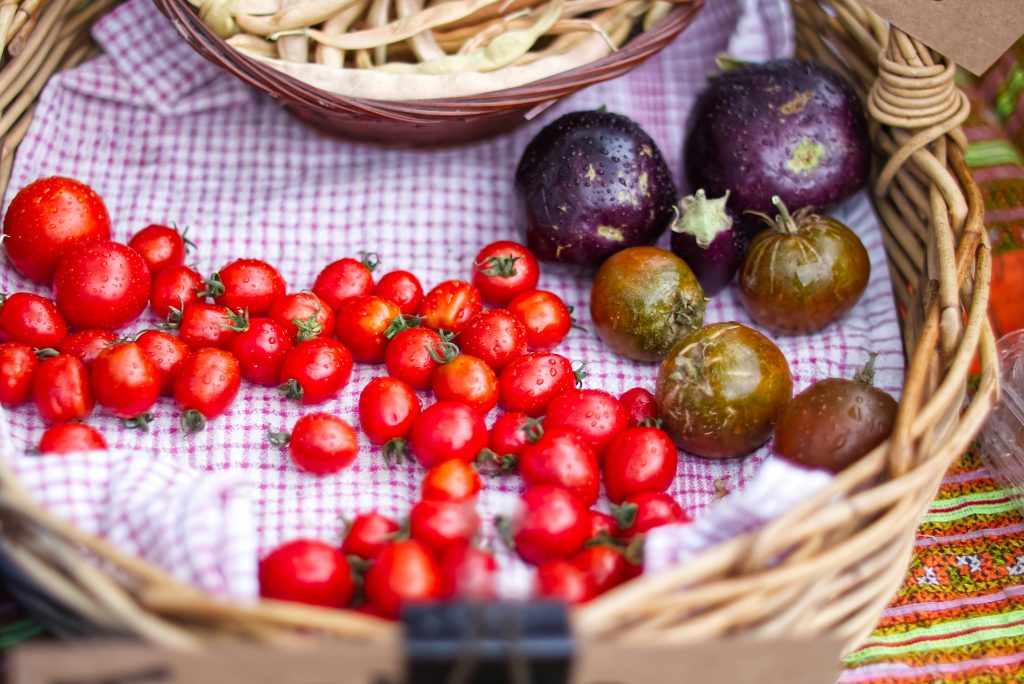
Growing an heirloom vegetable creates a living seed bank in your backyard. Each variety you grow and save represents genetic material that might disappear forever. This diversity provides resilience against diseases, pests, and climate variations. These could devastate gardens planted with few commercial varieties.
Heirloom vegetable varieties offer incredible flavor experiences. Commercial varieties bred out these flavors. Purple carrots taste different from orange ones. Glass Gem corn produces kernels in rainbow colors. Indigenous cultures treasured these for beauty and nutrition. Cherokee Purple tomatoes deliver complex flavors putting grocery store tomatoes to shame.
Diversity extends beyond individual plants to entire garden ecosystems. Different heirloom vegetable varieties attract different beneficial insects. They mature at different times. They contribute unique characteristics to soil health and garden balance. Growing diverse varieties creates more resilient and productive garden systems than commercial variety monocultures.
Your Path to Seed Independence
Learning how to become self-sufficient includes mastering seed saving and heirloom vegetable preservation. This journey begins with choosing few favorite varieties. You learn proper seed saving techniques for each plant type. Some seeds like beans and tomatoes save incredibly easily. Others require more specific techniques and timing.
Start small with heirloom vegetable varieties you love eating. Gradually expand your collection as you gain experience and confidence. Keep detailed records of varieties performing best in your specific conditions. Focus on saving seeds from your most successful plants. This natural selection process gradually adapts your seed collection to your unique growing environment.
Connect with other gardeners sharing your interest in these special varieties. Seed swaps, gardening groups, and online communities provide opportunities to trade varieties. You learn from experienced seed savers. These relationships create genetic preservation networks extending beyond individual gardens.
Reclaim Your Food Heritage
Growing an heirloom vegetable represents more than gardening. It preserves cultural heritage and reclaims food independence. Corporate agriculture systematically dismantled this independence. Every seed you save and variety you preserve contributes to genetic diversity. This benefits everyone who grows food.
These living treasures connect you to generations of gardeners, understanding true security. Security comes from controlling your own food production. You’re not just growing vegetables. You’re preserving biodiversity, maintaining genetic resources, and building skills creating lasting food independence. Plant heirloom vegetable seeds. Discover incredible flavors and colors defining real food heritage.

Interested in learning to build more options out of the system? Click here. Or join my newsletter where I share tips each week.
Thanks for reading!


Food independence
How We Built A Years Worth of Food Security
Popular Posts

Self Sufficiency
My 2020 Wake Up Call That Changed My Life

self sufficiency
What Self Reliance Really Means

Food preservation
The #1 Skill That Saves Us $300/month


New around here? Start with these resources
the FREEBIES

How To Detox Your Home Naturally
download
Self Sufficiency Checklist
download
The World Full of Natural Remedies
download
A daily 90-second lesson delivered straight to your inbox, with the exact steps I took to eliminate my dependencies - house, electricity, water, food - and get out in just 5 years (without leaving the suburbs, without acres of land).
Fast track your exit path from 30 -> to 5 years
free email course

Join over 1K+ Individuals & families
