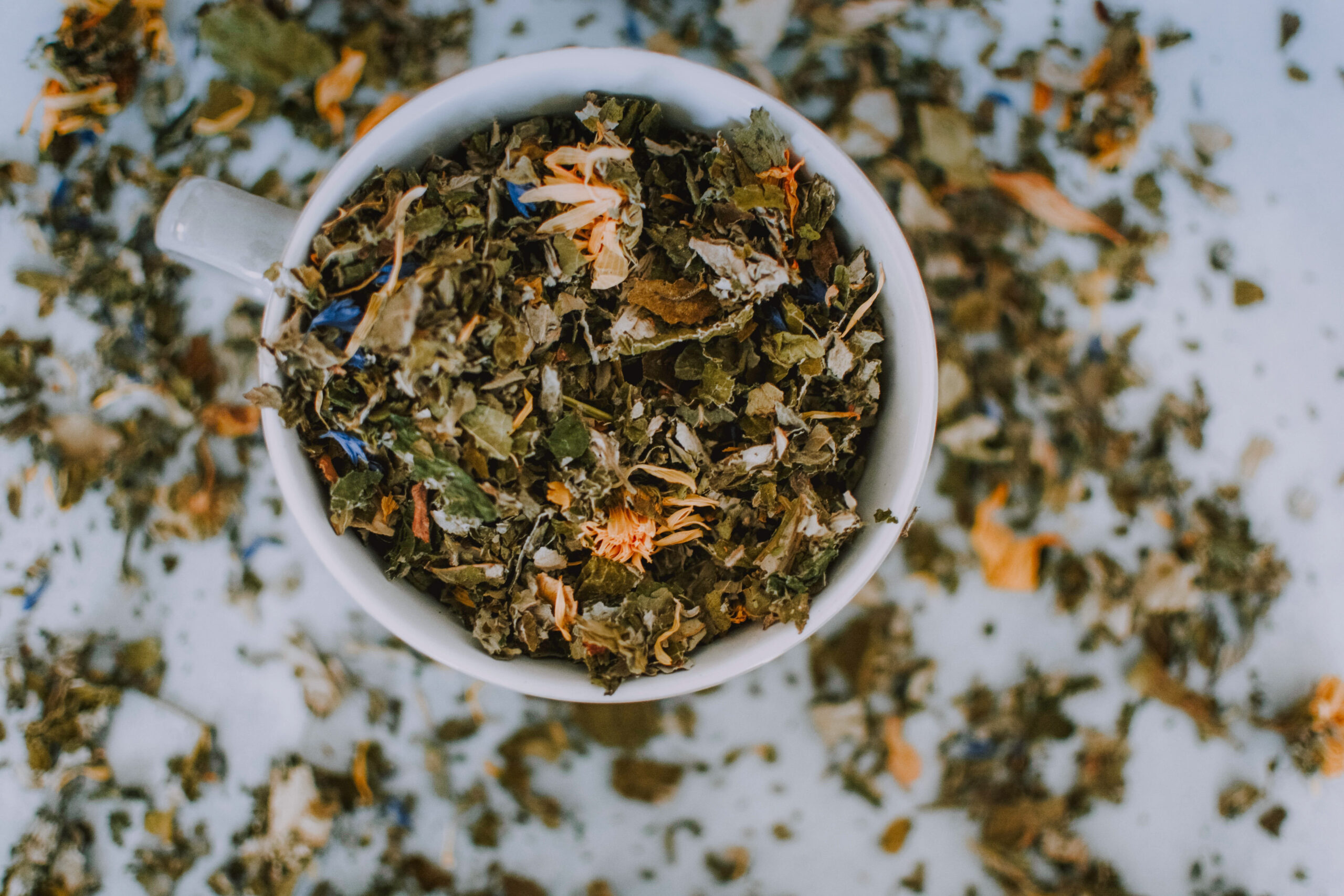


Nowadays, we are surrounded by the different types of chemicals all around us, whether it’s in our food, pharmaceuticals or cosmetic products. Chemicals are widely used in almost everything. So to counter the excessive use of chemicals, people have started to explore the world of herbalism. It’s no wonder you’re probably trying to learn about the best herb books for beginners – seeking alternative paths. I’ve got you!
Herbalism is not a new subject, it has been around for a long time with many using herbs for daily life. Whether it is drinking green tea for weight loss or eating raw honey for the treatment of sore throat, healing herbs has shown up in the every day lives of millions of people for centuries. Knowingly or unknowingly, we are all familiar with the foundational elements of herbalism. If you’re wondering very simply what herbalism is, it’s simple: herbalism is plant medicine.
More formally, herbalism is the study of herbal plants to use them for a positive impact on our body. There are more than 30,000 herbal plants that are used in different forms, with almost no harmful effect on our bodies.
Before we dive in, Nigermany is a participant in the Amazon Services LLC Associate program and occasionally utilizes some affiliate links which may generate a small commission from the clicks that result in a purchase.
Why buy herbal books for beginners?
In this article, we will cover the best herbal books for beginners that you can start with to get familiar with herbs and their useful remedies. You might be wondering why you should even consider having an herbalism book at home. There are countless reasons ranging from adopting more natural herbal practices for your health, taking more control over non-life threatening colds, advancing your knowledge of making tinctures for your family or simply learning more about medicinal plants in general. Whatever your motivator is, you won’t regret knowing more ways to care for you and your family. In my own personal situation, it’s been great to learn about herbs that are good for my asthma and lungs especially when I want to steer away from aggressive prescription medicines (with my doctors oversight).
I recommend that you get these on your bookshelves ASAP while they are still available and before they sell out. I made a plan over the course of a year to buy my favorites so that I didn’t have to buy them all at once and to diversify my family’s range of knowledge. Some focus on how to make great blends, others are much more like an encyclopedia. You will get a sense for what formats you like best and best serve your unique needs.
To formally get started, check out my other article on How To Start Your Home Apothecary. It’s a reader favorite and will ensure you have everything you need to get started on your journey well.
1. Rosemary Gladstar’s Medicinal Herbs: A Beginner’s Guide
Rosemary Gladstar’s Medicinal Herbs is one of the best herbal medicine books for beginners interested in herbalism. The book is written by a well-known herbalist, Rosemary Gladstar, who is also popular by the name of, Godmother of Modern Herbalism.
Rosemary’s book provides valuable insights of the herbs and their medicinal use in day-to-day life. It covers the 24 herbs that are suitable to grow in any climate or atmosphere. She has covered the different types of medicinal herbs in a way that is easy to follow up even for beginner readers.
The book starts with a basic insight into herbalism and then covers the different types of medicinal herbs and their uses. In the book she has talked about making medicines using different types of herbs and plants.
[amazon box=”1612120059″ description=”Craft a soothing aloe lotion after an encounter with poison ivy, make a dandelion-burdock tincture to fix sluggish digestion, and brew up some lavender-lemon balm tea to ease a stressful day.”]
2. The Homesteader’s Herbal Companion
This book is written by Amy K. Fewell, who is also a blogger who talks about herbalism on her blogs. In this book, she has talked about the real-life uses of herbs. She has covered those plants that are too easily available, but we are aware of their herbal benefits.
The book starts with eye-opening insights on herbalism, then she dives into the types of herbs, their uses, and how to dry and store them. In the chapters, she has explained topics like making syrups, vinegar, and essential oils, using the herbs that we can find in our garden.
She has also explained the different cooking methods with the herbs, with the help of well-written recipes. She has written this book in such a way that it will be beneficial for beginners and intermediate people who are interested in herbalism. The flow of the book is good, it covers the basics and later she dives into the advanced topics of herbalism.
[amazon box=”1493034154″ description=”The Homesteader’s Herbal Companion is a beautiful guide for the modern day homesteader. From learning how to incorporate herbs and essential oils around your home, to learning how to enhance your family’s health and well-being, this book is the go-to guide for those wishing to live a more natural homesteading lifestyle.”]
3. The Herbal Apothecary
The Women’s Herbal Apothecary is a book written by Dr. JJ Pursell. This book is mainly centered on women’s health, covering pregnancy, menstruation, skincare, and overall well-being.
In this book, Dr. Pursell shares valuable information about herbs that can help women stay healthy and energized in their twenties. She has explained the recipes for different herbal teas, soaps, creams, oils, etc. She also guides women on which herbs to avoid on specific occasions like pregnancy, menstruation, etc., and highlights the best herbs to enhance their well-being during these times.
She also guides women on which herbs to avoid on specific occasions like pregnancy, menstruation, etc., and highlights the best herbs to enhance their well-being during these times.
This book is very beneficial for women who are interested in herbalism and are seeking a healthier life.
[amazon box=”1604695676″ description=”Start your path to natural wellness with the safe, trusted advice found in The Herbal Apothecary. With the guidance of naturopath JJ Pursell, you will learn how to safely create your own remedies using plants you know and love.”]
4. Healing Herbal Infusions
Healing Herbal Infusions is one of the best books for beginners because it has explained 75 homemade herbal recipes for medicinal benefits. It has covered a wide range of herbs that we can use in our day-to-day activities.
Rather than a theory, this book contains precise recipes with many beautiful pictures, making the book easy to go through. It won’t be wrong, if we call it a herbal recipe book.
Whenever you need specific types of recipes for specific problems related to colds, stomach pain, immunity, or skin, you can just go through them and work on your recipe instantly.
[amazon box=”1624146473″ description=”Treat ailments the natural way with organic health remedies made from herbs found in your own garden, yard or neighborhood, without resorting to risky medications or prescriptions.”]
5. Herbal Antibiotics
Herbal Antibiotics (2nd edition) is a book that talks about antibiotic plants and herbs. This book is written by Stephen Harrod Buhner. The author has talked about the bacteria, its type, and how herbal plants can help our body resist such bacteria.
In this book, he has explained more than 30 different types of herbal plants with their antibiotic properties in detail. The book is easy to read and understand, he has explained these herbs on a deep level.
The book is easy to follow and explains the subject matter in full detail. If you are interested in bacteria and antibiotics, you will love this book because of its connection with herbal plants.
[amazon box=”1603429875″ description=”With antibiotic-resistant infections on the rise, herbal remedies present a naturally effective alternative to standard antibiotics.”]
6. Medical Herbalism
Medical Herbalism is a book written by David Hoffman, where he explains the medical purposes of different herbal plants comprehensively.
The book covers some vast medical concepts, so it will be easier for you to grasp the concepts of the book if you come from a medical background. However, if you don’t, it’s still an informative book that you should try.
The book explains the different human body systems and how herbs can benefit them. It clearly explains the relation of herbs in the improvement of the human body systems. The book doesn’t include many herbal recipes, but it explains the properties of herbs in a fully detailed manner that helps readers gain knowledge of herbal medicines.
[amazon box=”0892817496″ description=”Medical Herbalism contains comprehensive information concerning the identification and use of medicinal plants by chemical structure and physiological effect, the art and science of making herbal medicine, the limitations and potential of viewing herbs chemically, and the challenge to current research paradigms posed by complex plant medicines.”]
7. The Herbal Medicine-Maker’s Formula
Like the other books, this book might not be too beginner-friendly because it does not explain the properties of the herbs. Instead, the book jumps into the making of lotions, soaps, vinegar, syrups, etc. from herbal plants.
However, the book provides detailed information about the general medical properties of different types of herbs. Adding this book along with another beginner-friendly book will be the best combination because this book has covered the details about the many things related to herbalism and every chapter seems to be the book itself.
The book has no fancy styling of the words and few pictures. It is filled with deep information about herbalism making it helpful for readers who want to deep dive into the source of herbalism.
[amazon box=”0895949903″ description=”This book is an entertaining compilation of natural home remedies written by one of the great herbalists, James Green, author of the best-selling The Male Herbal. “]
8. The Modern Herbal Dispensatory
The Modern Herbal Dispensatory is a great guide that explains more than 250 herbal medicines that you can prepare right at your home from readily available herbs.
In the book, the author discusses 12 main categories of herbs covering everything from how to harvest them to making medicines and storing them.
The book provides detailed information regarding the making of herbal medicines at your home. Whether you are a beginner or advanced in herbalism, this book opens a door for learning new methods of preparation of herbal solutions.
[amazon box=”1623170796″ description=”The beloved best-selling classic for the modern herbalist—a definitive guide to 250 safe and effective herbal medicines, preparations, and single-herb remedies to make at home.”]
9. Encyclopedia of Herbal Medicine
Encyclopedia of herbal medicine is a great book that covers a wide range of properties of more than 550 herbal plants. The book has illustrated the recipes of herbs to make a clear understanding to its readers.
Inside a book, you’ll find step-by-step guidance on making herbal recipes in a well-structured manner. The book is beginner-friendly and can help you get insights of the herbal plants that you can find in your garden.
[amazon box=”1465449817″ description=”Introducing the newly revised Encyclopedia of Herbal Medicine, a one-stop healing book with everything you need to know about herbs, featuring a detailed layout of over 550 plants and their medicinal properties, with advice on how to sow, grow, and harvest your very own herb garden!”]
That’s it, friends! To formally get started, check out my other article on How To Start Your Home Apothecary. It’s a reader favorite and will ensure you have everything you need to get started on your journey well.

Interested in learning to build more options out of the system? Click here. Or join my newsletter where I share tips each week.
Thanks for reading!


Food independence
How We Built A Years Worth of Food Security
Popular Posts

Self Sufficiency
My 2020 Wake Up Call That Changed My Life

self sufficiency
What Self Reliance Really Means

Food preservation
The #1 Skill That Saves Us $300/month


New around here? Start with these resources
the FREEBIES

How To Detox Your Home Naturally
download
Self Sufficiency Checklist
download
The World Full of Natural Remedies
download
A daily 90-second lesson delivered straight to your inbox, with the exact steps I took to eliminate my dependencies - house, electricity, water, food - and get out in just 5 years (without leaving the suburbs, without acres of land).
Fast track your exit path from 30 -> to 5 years
free email course

Join over 1K+ Individuals & families
