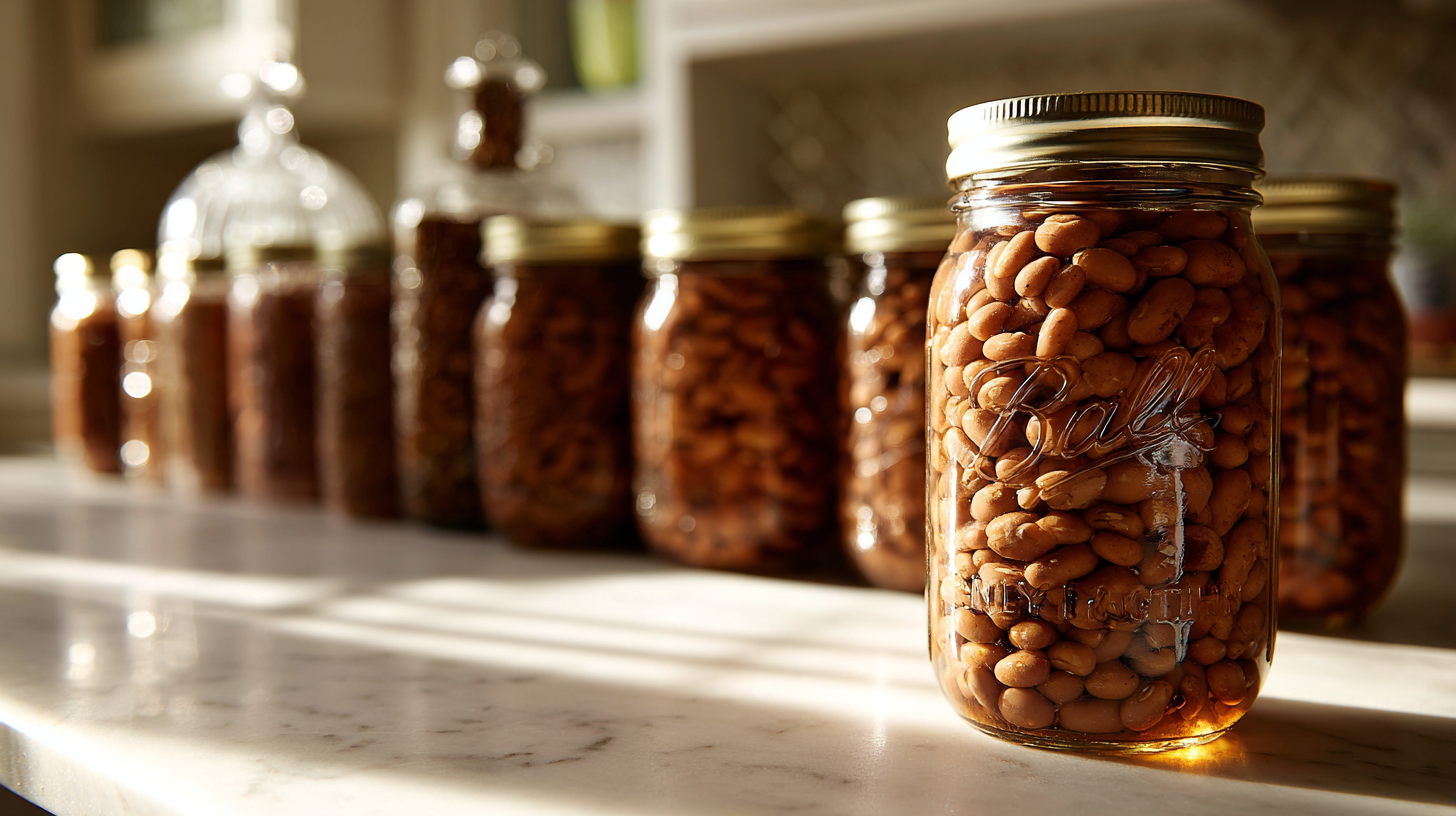
Let me tell you why I’m absolutely obsessed with canning my own pinto beans – it’s not just about saving money (though you absolutely will!). It’s about taking complete control over what goes on your dinner table. When you can pinto beans at home, you know exactly what’s in those jars: perfectly seasoned beans, pure water, maybe a touch of salt – nothing more, nothing less.
Store-bought canned beans often contain preservatives, excess sodium, and additives that you simply don’t need. Plus, there’s something so deeply satisfying about the knowledge that you can create restaurant-quality meals from ingredients you’ve lovingly preserved yourself.
Why Pressure Canning is Essential
Here’s the thing about canning beans that’s absolutely non-negotiable – you must use a pressure canner. Beans are what we call a low-acid food, which means they require the high temperatures that only pressure canning can achieve to eliminate any risk of botulism. I know pressure canning might sound intimidating if you’re used to water bath canning, but trust me when I say it’s not as scary as it seems once you understand the process.
This isn’t about being overly cautious – it’s about being smart and keeping your family safe while building your food storage with confidence.
Essential Equipment for Canning Pinto Beans
Before we dive into the beautiful process, let’s make sure you have everything you need for success:
- Pressure canner (this is absolutely essential!)
- Pint or quart canning jars with new lids
- Dried pinto beans (or fresh if you’re lucky enough to have them)
- Canning salt (optional but recommended)
- Jar lifter and headspace tool
- Large bowl for soaking beans
The investment in a pressure canner is worth every single penny when you consider the incredible variety of foods you’ll be able to preserve safely.
- 4 lbs Dried pinto beans sorted and cleaned
- Water for soaking and cooking
- Canning salt
Pressure canner (dial gauge or weighted gauge)
Pint or quart canning jars
Pint or quart canning jars
Jar lifter, bubble removal tool, headspace gauge
Large stockpot for pre-cooking beans
Colander for draining
Sort beans carefully to remove stones, damaged beans, and debris, then soak 4 pounds of dried pinto beans in cold water for 12-18 hours using 3 cups water per cup of beans.
Wash canning jars in hot soapy water and rinse thoroughly, then keep hot in a 200°F oven until ready to fill, and prepare new lids by placing them in hot water heated to 180°F.
Drain and rinse soaked beans thoroughly, then place in a large stockpot with fresh water covering beans by 2 inches and bring to a rolling boil.
Boil beans for 30 minutes until tender but still firm, maintaining water level and skimming foam as needed, then drain beans while reserving the hot cooking liquid.
Check pressure canner for proper operation, add 2-3 inches of hot water to canner bottom, place rack inside, and begin heating canner while preparing jars.
Pack hot beans into hot jars leaving 1 inch headspace, add 1/2 teaspoon canning salt to pints or 1 teaspoon to quarts if desired for flavor.
Cover beans with boiling water or reserved hot cooking liquid maintaining 1 inch headspace, remove air bubbles with plastic tool, and adjust liquid levels if necessary.
Wipe jar rims clean with damp cloth, place hot lids on jars, and apply screw bands fingertip tight, then place filled jars on canner rack.
Lock canner lid in place, heat until steam vents steadily for 10 minutes, then place pressure regulator or close vent to build pressure to 10 PSI for altitudes 0-1,000 feet.
Process pint jars for 75 minutes or quart jars for 90 minutes at 10 PSI, adjusting pressure for altitude (11 PSI for 1,001-2,000 feet, 12 PSI for 2,001-4,000 feet, 13 PSI for 4,001-6,000 feet, 14 PSI for 6,001-8,000 feet), then turn off heat and allow canner to depressurize naturally before removing jars to cool for 12-24 hours.
- NEVER use boiling water bath method for beans – pressure canning only
- Do not alter processing times or pressures
- Altitude adjustments for pressure are mandatory
- Properly sealed lids should not flex when pressed
- Store sealed jars in cool, dark place for up to 2-3 years
- If any jars fail to seal, refrigerate immediately and use within one week
How to Can Pinto Beans Safely
Preparing Your Beans
Start with high-quality dried pinto beans, sorting through them carefully to remove any stones, damaged beans, or debris. Soak them overnight in plenty of water – they’ll double in size, so give them room to expand into plump, beautiful beans.
Pre-Cooking Process
After soaking, drain and rinse your beans, then place them in a large pot with fresh water. Bring to a boil and cook for about 30 minutes until they’re tender but still hold their shape. This pre-cooking step is crucial for safe canning.
Packing and Processing
Pack your hot, pre-cooked beans into sterilized jars, add boiling water or cooking liquid, leaving proper headspace, then process in your pressure canner according to tested guidelines. The pressure and time requirements are precise and absolutely cannot be altered.
Storage and Usage Tips
Once your jars have cooled and sealed properly, you’ll have shelf-stable beans that keep beautifully for years in a cool, dark pantry. These versatile gems are ready to star in everything from quick weeknight burritos to slow-simmered weekend stews.
Building Your Food Security Legacy
Learning how to can pinto beans is so much more than just preserving food – it’s about building unshakeable confidence in your ability to nourish your family no matter what life throws your way. Every jar represents security, self-sufficiency, and the wisdom that comes from mastering skills that truly matter.
There’s something incredibly grounding about knowing your pantry is stocked with wholesome, homemade staples that can anchor any meal. This knowledge connects you to generations of women who understood that food preservation wasn’t just practical – it was empowering.
Ready to revolutionize your meal planning and embrace the confidence that comes from true kitchen mastery? Take your food independence to the next level with generational knowledge that transforms ordinary pantry staples into extraordinary security. Start with these protein-packed pinto beans, and discover how how to start canning opens up a world of possibilities that’ll nourish your family’s body and soul for generations to come!