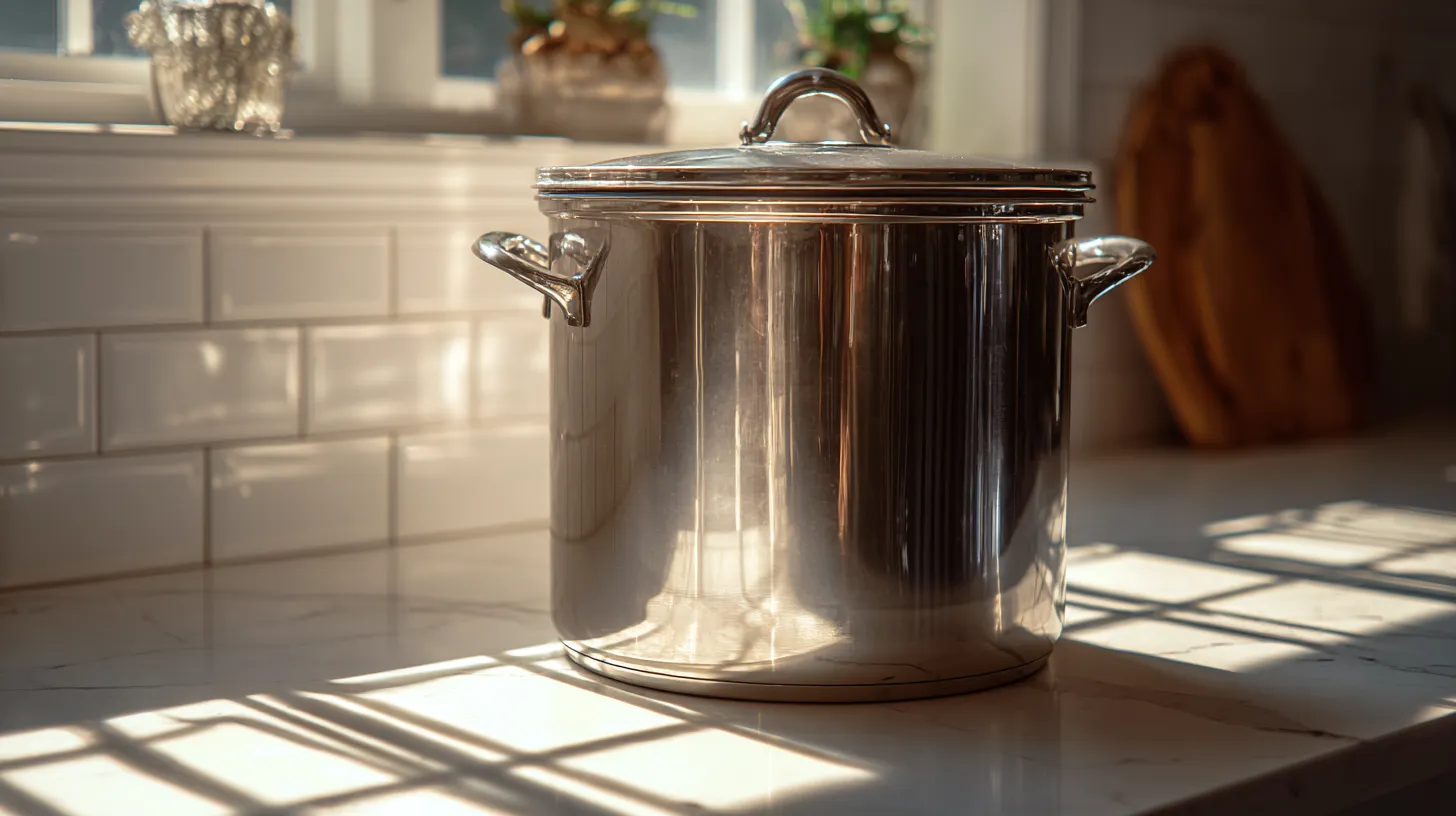


The gentle bubbling of a water bath canner filled with mason jars represents one of the most rewarding sounds in any kitchen. This time-tested preservation method has safely preserved high-acid foods for generations, creating pantry treasures that capture peak seasonal flavors. You’re about to master the foundational technique that opens the door to countless preservation possibilities. If you’ve been curious about how to water bath can or wondering how to start canning with a method that’s both safe and accessible, this gentle process offers the perfect introduction to food preservation. There’s something deeply satisfying about transforming fresh ingredients into shelf-stable treasures using nothing more than boiling water and proper technique.
Why Learn How to Water Bath Can
Mastering this fundamental preservation method gives you control over countless high-acid foods throughout the year. Water bath canning works safely for fruits, jams, jellies, pickles, and tomato products with proper acidity. The equipment is relatively inexpensive and doesn’t require the investment of pressure canning systems. When you understand how to water bath can properly, you can preserve everything from summer berries to fall apple harvests with complete confidence.
Essential Equipment for Water Bath Canning
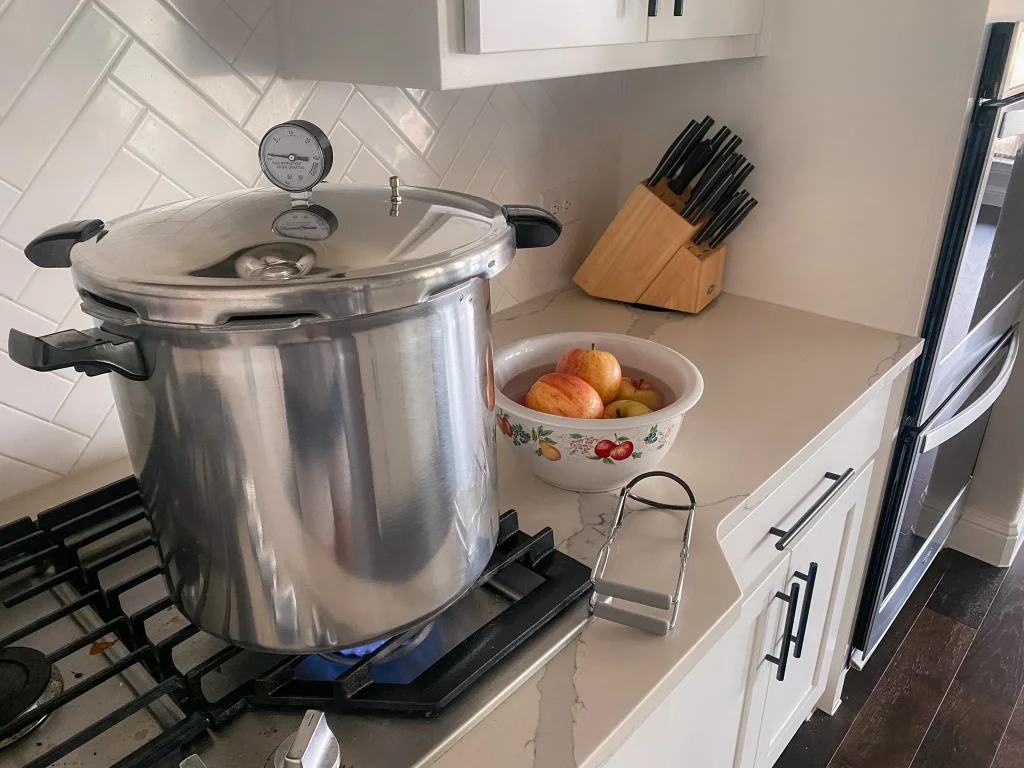
You’ll need some basic equipment to ensure safe and successful water bath processing. A large pot deep enough to cover jars by 1-2 inches works perfectly, though dedicated water bath canners make the process easier. A rack keeps jars off the pot bottom for proper heat circulation. Standard canning jars with new lids, jar lifters, and headspace tools complete your setup. These simple tools will serve you through countless batches of preserved foods.
Foods Safe for Water Bath Processing
Understanding which foods can safely use this gentle method is crucial for food safety. High-acid foods like fruits, properly acidified tomatoes, pickles, and jams process safely in boiling water. The natural or added acidity prevents dangerous bacteria from growing. Never attempt to water bath can low-acid foods like vegetables, meats, or soups as they require pressure canning for safety. Following tested recipes ensures your preserved foods meet safety standards.
Step-by-Step Water Bath Process
Start by filling your canner with enough water to cover jars by 1-2 inches when submerged. Heat water while preparing your food to save time. Fill hot jars with hot food, leaving proper headspace as specified in tested recipes. Remove air bubbles and wipe jar rims clean before applying lids and rings finger-tight. The process requires attention to detail but isn’t complicated when you follow established procedures.
Proper Processing Times Matter
Different foods and jar sizes require specific processing times for safety. Altitude affects processing times because water boils at lower temperatures at higher elevations. Always follow tested recipes from reliable sources like the USDA for safe processing times. Never reduce processing times or guess at requirements as this can create dangerous conditions that allow harmful bacteria to survive.
Creating the Perfect Seal
Successful sealing depends on proper technique throughout the entire process. Hot jars, hot food, and proper headspace create conditions for vacuum sealing. During processing, heat forces air from jars and sterilizes contents. As jars cool, contents contract and create the vacuum that pulls lids down with that satisfying pop sound. This natural process requires precision but delivers reliable results.
Troubleshooting Common Issues
Sometimes jars don’t seal despite following proper procedures, and that’s completely normal. Reprocess unsealed jars within 24 hours or refrigerate and use quickly. Liquid loss during processing, called siphoning, doesn’t affect safety if jars seal properly. Food discoloration at jar tops is normal oxidation and doesn’t indicate spoilage. Understanding these common occurrences builds confidence in your preservation efforts.
Storage and Quality Maintenance
Store properly sealed jars in cool, dark places where they’ll maintain peak quality for 1-2 years. Label jars clearly with contents and processing dates for easy identification. Check stored jars periodically for signs of seal failure or spoilage. Properly processed and sealed jars should maintain vacuum seals indefinitely when stored correctly.
Safety First Always
Food safety must remain your top priority throughout the water bath canning process. Use only tested recipes from reliable sources like university extensions or the USDA. Never alter acid levels, processing times, or ingredient ratios in tested recipes. When in doubt about safety, choose pressure canning or freezing methods instead. Your family’s health depends on following established safety guidelines exactly.
Build Your Preservation Foundation
Learning how to water bath can creates the foundation for food independence that connects you to generations of home preservers who understood seasonal abundance. This gentle preservation method builds confidence while creating delicious, shelf-stable foods your family will treasure. When you master how to start canning with water bath methods, you’re developing skills that provide both nutrition and security.
Every successfully sealed jar represents victory over food waste and commitment to wholesome, homemade nutrition. You’re building practical knowledge that reduces grocery dependence while creating edible treasures that showcase nature’s seasonal gifts. Transform fresh ingredients into the cornerstone of a self-sufficient pantry that celebrates abundance with skill, safety, and delicious results!

Interested in learning to build more options out of the system? Click here. Or join my newsletter where I share tips each week.
Thanks for reading!
Leave a Reply


Food independence
How We Built A Years Worth of Food Security
Popular Posts

Self Sufficiency
My 2020 Wake Up Call That Changed My Life

self sufficiency
What Self Reliance Really Means

Food preservation
The #1 Skill That Saves Us $300/month


New around here? Start with these resources
the FREEBIES

How To Detox Your Home Naturally
download
Self Sufficiency Checklist
download
The World Full of Natural Remedies
download
A daily 90-second lesson delivered straight to your inbox, with the exact steps I took to eliminate my dependencies - house, electricity, water, food - and get out in just 5 years (without leaving the suburbs, without acres of land).
Fast track your exit path from 30 -> to 5 years
free email course

Join over 1K+ Individuals & families

How do you clean the jars properly before using them?
There are two ways you can clean them. You wash them with soap and water and then water bath (rolling boil) for at least ten minutes with the appropriate safety measures such as on a rack. Alternatively you can run them through your dishwasher on sanitize cycle. Nothing beats some old fashion soap and water!