

For months now, I’ve been on a mission to reduce my family’s dependence on grocery stores. It sounds ambitious, I know—but I’m starting small. Really small. With juice.
Yes, juice. That colorful, sweet staple that my kids ask for constantly and that seems to disappear from our pantry faster than I can restock it. I figured if I could master homemade juice using shelf-stable ingredients, I’d have one less reason to make those weekly grocery runs. Plus, I’d know exactly what’s going into our drinks—no mystery ingredients, no preservatives, just real fruit.
My secret weapon? Our Harvest Right freeze dryer. And let me tell you, making fruit powder at home has been quite the learning experience.
Why Make Fruit Powder at Home?
The appeal is simple: shelf stability. Fresh fruit spoils. Frozen fruit takes up precious freezer space. But fruit powder? It sits happily in a mason jar on your pantry shelf for months, ready whenever you need it. No more panic-buying juice boxes before a road trip or discovering moldy oranges in the back of your fridge.
Plus, there’s something satisfying about knowing you can make your own drink mixes from scratch. It feels like a small step toward food independence—even if my family’s reactions have been… mixed.
What Is Fruit Powder and How Does It Work for Juice?
Fruit powder is exactly what it sounds like: dehydrated fruit that’s been ground into a fine powder. When you freeze dry fruit, especially citrus, you remove almost all the moisture while preserving the flavor, color, and nutrients. The result is a concentrated powder that rehydrates beautifully when mixed with water.
The freeze-drying process is key here. Unlike traditional dehydration, freeze drying removes moisture at extremely low temperatures, which maintains the fruit’s cellular structure and prevents that “cooked” taste you sometimes get from dehydrated foods. It’s honestly a bit magical watching fresh fruit transform into something you can store for months without refrigeration.
Citrus Peel Fruit Powder
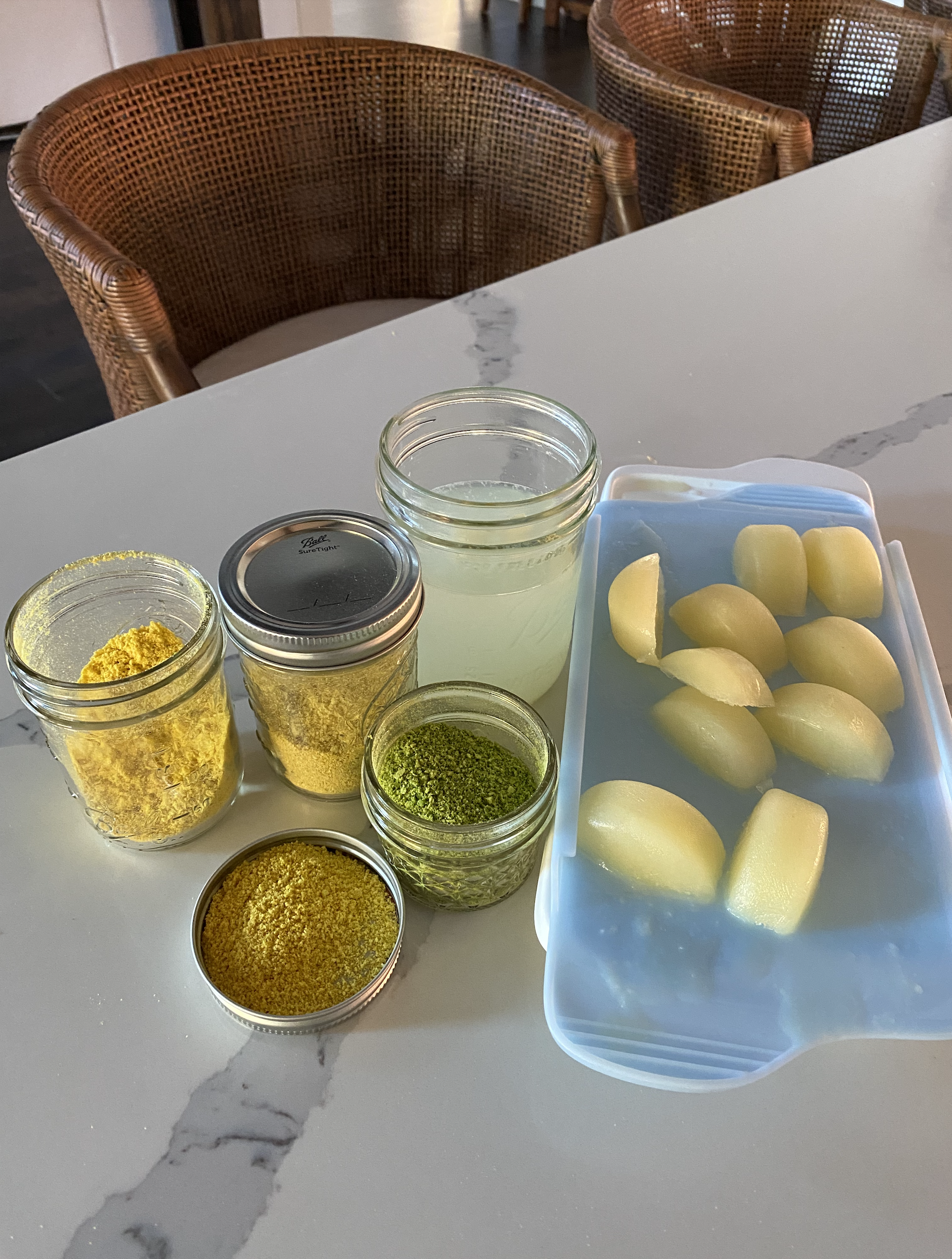
I started with citrus—lemons, limes, and oranges—because we go through them constantly. The process seemed straightforward enough. I carefully peeled the citrus, doing my best not to get too much of the white pith. This turned out to be more important than I realized, because too much pith makes the powder unbearably bitter. Once I had my peels ready, I placed them in my Harvest Right freeze dryer and ran a complete cycle.
The freeze dryer worked its magic overnight, and by morning I had these crispy, almost paper-like citrus peels that crumbled at the slightest touch. I tossed them into my blender and watched them transform into a fine, vibrant powder that smelled absolutely incredible. The aroma alone made me think this experiment was going to be a total win. I scooped the powder into mason jars, feeling pretty proud of myself.
When I mixed my first glass, I was genuinely impressed. The flavor was bright, tart, and refreshing. It tasted clean and natural in a way that store-bought drink mixes never do. I thought I’d cracked the code on homemade juice.
Then my husband tried it. His face said everything before he even opened his mouth. He hated it. Said it was too bitter and had this weird aftertaste that he couldn’t get past. Even when I adjusted the ratios, adding more water or trying different amounts of powder, he remained unconvinced. So much for my first victory in the homemade juice department.
Learning to Make Citrus Fruit Powder
That first batch taught me quite a bit about what works and what doesn’t. The pith issue is real and not something you can fix after the fact. When you’re peeling your citrus, you really do need to take your time and remove as much of that white layer as possible. I found that using a vegetable peeler worked better than a knife for getting just the colored zest without the bitter pith underneath.
The quality of your citrus matters too. If you can swing it, organic fruit is worth it here because you’re literally consuming the peel, which is exactly where pesticides love to hang out. I also learned not to over-blend the powder. There’s a sweet spot where everything breaks down into a fine powder, but if you keep going, the oils start releasing and the whole thing gets clumpy and sticky. You want to stop right when you hit that powdery consistency.
Storage is another thing I had to figure out. The powder needs to be in completely airtight mason jars, kept in a cool and dry place away from any heat sources. I check mine every few weeks just to make sure there’s no moisture or clumping happening. Done right, the powder should last several months, though I’ve read about people storing it even longer with oxygen absorbers.
Frozen Juice Cubes
Not ready to admit defeat, I decided to try something different with the actual fruit part of the citrus that I’d been tossing aside. I juiced all those peeled oranges, lemons, and limes, and ended up with this beautiful, fresh-squeezed juice. Then I stirred in a few tablespoons of sugar to balance out the tartness and poured the whole mixture into ice cube trays.
Once they were frozen solid, I had these little flavor bombs ready to go. Now whenever someone wants lemonade or limeade, the process couldn’t be simpler. Just drop a few cubes into a mason jar, add water, wait a minute or two for them to melt, and you’ve got fresh juice. No measuring, no mixing, no fuss.
My husband loved this version. Like, actually loved it. He said the flavor was perfectly balanced, refreshing, and tasted like the real lemonade his grandmother used to make. The sugar definitely helped mellow out that aggressive citrus punch that the powder had delivered. Meanwhile, I tried it and found it way too overpowering, even with all that added sugar. But here’s my confession: I’m just not a juice person. I’d rather crunch into a whole orange or drink plain water than mess with juice at all. So really, my opinion on juice doesn’t count for much in this experiment.
Comparing Fruit Powder to Juice Cubes
After living with both methods for a while now, I’ve developed some opinions about each approach. The fruit powder is genuinely shelf-stable, which was my whole original goal. It takes up almost no space in the pantry, and there’s something satisfying about having this concentrated flavor powder that can sit there for months without going bad. The problem is that the flavor can be pretty intense and isn’t always pleasant. Getting it right requires some finesse, and even then, it might not appeal to everyone’s palate.
The juice cubes, on the other hand, taste way better according to my family. They’re easier to use, the portions are already measured out, and the flavor is familiar and comforting. But here’s the catch: they completely defeat my original purpose. They require freezer space, they depend on having electricity, and they’re not truly pantry-stable. In a real emergency or power outage situation, those cubes would be some of the first things to go.
So I’m left with this tension between what works practically for my food independence goals and what my family will actually consume. There’s no point in stockpiling something nobody wants to drink when push comes to shove.
Expanding Beyond Citrus: Other Fruit Powder Options
Even though my citrus experiment had mixed results, the freeze dryer opens up so many other possibilities that I’m itching to explore. Berries are next on my list—strawberries, blueberries, and raspberries should all work beautifully with this method. I’m also curious about tropical fruits like pineapple, mango, and papaya, which would make incredible exotic juice flavors.
Apples and pears might be interesting too, especially mixed with other fruit powders to create custom blends. And I’ve been dreaming about watermelon powder for summer drinks, though I suspect watermelon’s high water content means it’ll take forever in the freeze dryer. The basic process stays the same no matter what fruit you’re using: freeze dry it until it’s completely crispy, blend it into powder, and store it in airtight jars. The main variable is time, since juicier fruits need longer cycles to fully dehydrate.
The Messy Reality of Food Independence
Let’s get real for a minute. This whole experiment has taught me that food independence is significantly harder than it looks, even when you’re tackling something as simple as juice. I started with this vision of shelves lined with homemade fruit powder, ready to provide my family with delicious drinks for months on end, no grocery store required.
What I got instead was a husband who won’t touch the powder I was so proud of and a freezer full of juice cubes that work against my whole shelf-stable mission. It’s humbling, honestly. All the equipment and enthusiasm in the world doesn’t matter if your family won’t actually use what you make.
But here’s what I’m learning: maybe the goal isn’t perfection. Maybe it’s about progress, experimentation, and being willing to adapt. My original plan didn’t work out exactly as I hoped, but I’m still reducing our juice dependency on grocery stores. We’re still drinking homemade stuff made from real fruit with ingredients I control. That counts for something.
Moving Forward with Fruit Powder Experiments
So where do I go from here? I’m going to keep experimenting because that’s the only way to figure this out. Maybe I’ll try different fruits that have less bitter potential than citrus peels. Maybe I’ll perfect my technique and find the exact right amount of pith removal to make citrus powder that even my husband will tolerate. Maybe I’ll discover some middle ground between shelf stability and flavor that satisfies both my prepping goals and my family’s taste buds.
For now, I’m keeping both options in rotation. I drink the fruit powder when I’m feeling adventurous or want something quick and shelf-stable. My husband and kids get their juice cubes, which make them happy even if they’re not my ideal solution. It’s not the streamlined, perfectly pantry-stable system I dreamed about, but it’s real progress in real life.
And honestly, that’s what this whole journey is about. Starting small, trying things, failing sometimes, adjusting, and actually following through beats having grand plans that never leave the drawing board. I’d rather have a freezer full of juice cubes that my family loves than jars of unused fruit powder gathering dust because I was too stubborn to adapt.
Now, if you’ll excuse me, I have some strawberries calling my name. Time to see if berry powder fares any better than citrus.

Interested in learning to build more options out of the system? Click here. Or join my newsletter where I share tips each week.
Thanks for reading!


Food independence
How We Built A Years Worth of Food Security
Popular Posts

Self Sufficiency
My 2020 Wake Up Call That Changed My Life

self sufficiency
What Self Reliance Really Means

Food preservation
The #1 Skill That Saves Us $300/month


New around here? Start with these resources
the FREEBIES

How To Detox Your Home Naturally
download
Self Sufficiency Checklist
download
The World Full of Natural Remedies
download
A daily 90-second lesson delivered straight to your inbox, with the exact steps I took to eliminate my dependencies - house, electricity, water, food - and get out in just 5 years (without leaving the suburbs, without acres of land).
Fast track your exit path from 30 -> to 5 years
free email course

Join over 1K+ Individuals & families
