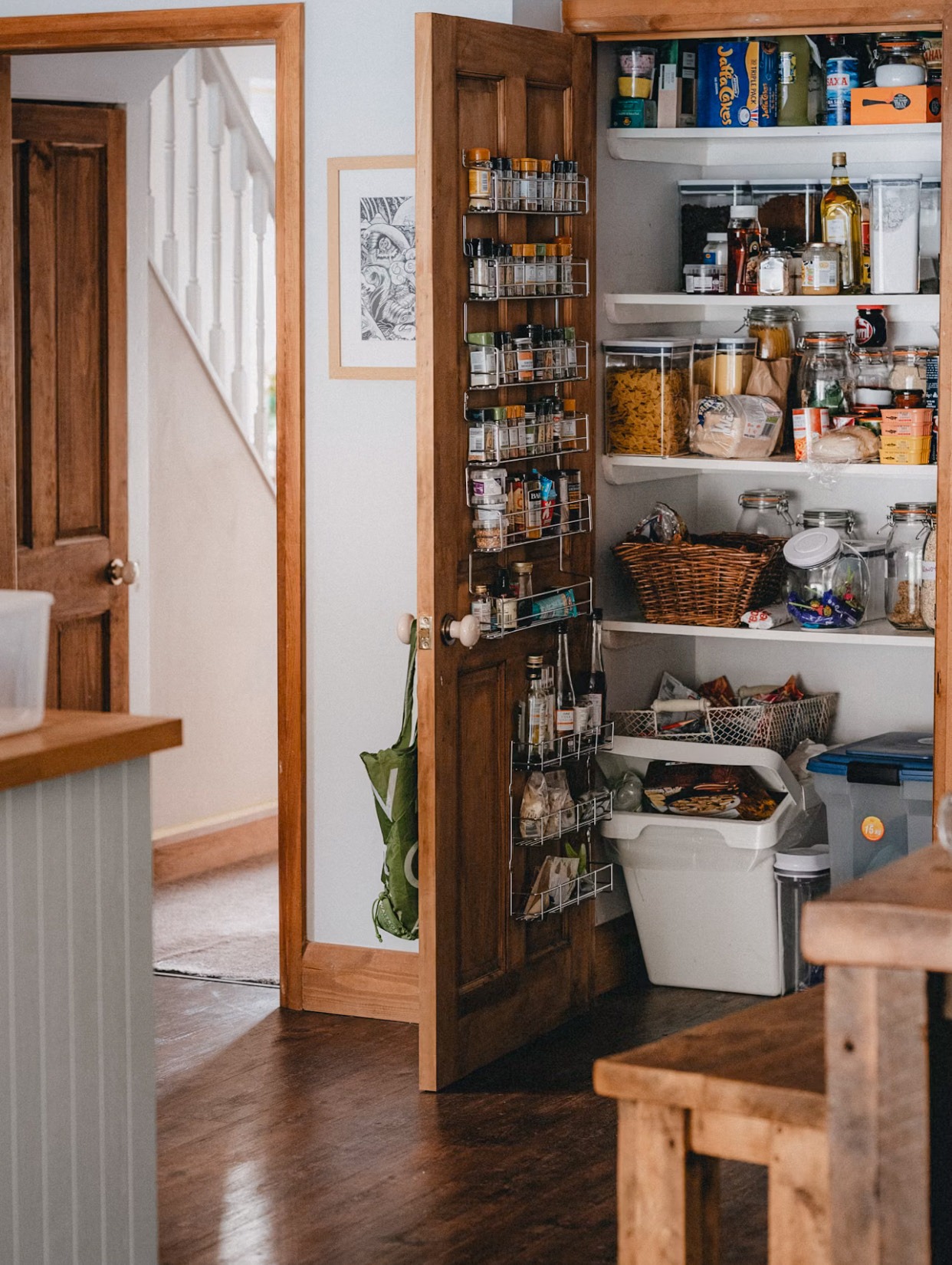


Why does it feel like no matter how much we stock up, we’re still running to the store every week? That frantic midweek dash for just one forgotten ingredient or the rush to grab something for dinner—it’s something we’ve all experienced. For a lot of us, it can feel like no matter what we do, the tether to the grocery store never really goes away. Don’t even get me started on what’s actually in the food in the grocery stores. It’s always a surprise every time I turn over and read the ingredients label.
A self-sufficient pantry isn’t about hoarding or trying to live off the grid; it’s about control, freedom, and smarter choices. It’s about taking the chaos out of mealtime and giving yourself the tools to cook whatever you need, whenever you need it, without that constant reliance on last-minute shopping trips. When I started building my own self-sufficient pantry, it completely changed my approach to food. I stopped feeling the panic of “What’s for dinner?” and started savoring the simplicity of having options right there at my fingertips. And the best part? You can do this without feeling overwhelmed or like you need to buy bushels of wheat you’ll never use.
This guide will walk you through everything you need to know to build your own pantry of dreams—one step at a time, in a way that fits your life. Some call it an ingredient household, others call is a self-sufficient pantry but regardless, your home is better for it.
What is a Self-Sufficient Pantry?
At its core, a self-sufficient pantry is about one thing—having what you need, when you need it. Picture this: instead of running out to buy a jar of marinara sauce or a bag of rice at the last minute, you already have all the components sitting neatly in your pantry. It’s convenience, but on your terms. Now imagine that it actually comes from your own garden, your own hands.
Unlike bulk buying or prepping for the apocalypse, a self-sufficient pantry is built with intention. It focuses on your everyday meals, your personal tastes, and your cooking habits. It’s not about stockpiling random items that will sit gathering dust for years. Instead, it’s about creating a revolving system where your pantry serves as an extension of your kitchen—an organized, ready-to-go system that supports your life without taking it over.
This isn’t just about food security (though that’s a huge perk). It’s about less stress, fewer trips to the store, more intentional choices, and saving money by using what you have, and more control over your food supply. It’s about knowing that your pantry works for you—not the other way around.
The Core of a Self-Sufficient Pantry
To build a self-sufficient pantry, you don’t need to buy out an entire aisle at Costco. The secret is focusing on the core staples that form the foundation of your meals. Here’s what to prioritize:
Staples to Focus On
- Whole Grains – Rice, oats, quinoa, and barley are meal-planning superheroes. They’re versatile, filling, and have long shelf lives.
- Legumes – Dried or canned beans, lentils, and chickpeas are protein-packed essentials that can create everything from a hearty soup to a quick salad.
- Flours – Whether you’re baking bread or making pancakes, having a few types of flour on hand (like all-purpose and whole wheat) can open up endless possibilities.
- Fats – Oils like olive, avocado, and vegetable oil, along with some butter or ghee, are pantry must-haves to cook and flavor your food.
- Preserved Proteins – Canned tuna, salmon, and even shelf-stable tofu can save the day when fresh meat isn’t an option.
- Preserved Foods – Consider canned tomatoes, jarred vegetables, and homemade or store-bought jams and sauces—perfect for cooking or sandwich-making.
- Flavor-Building Ingredients – Things like garlic, onion powder, soy sauce, bouillon cubes, and spices should always have a place in your pantry. These are the magic building blocks of a great meal. I love to take fresh herbs, freeze dry them and then store it in glass containers with oxygen absorbers.
What to Stop Buying
A self-sufficient pantry isn’t just about what you add—it’s also about what you stop buying. Say goodbye to overly-processed, overpriced convenience foods, or items you can easily make yourself. Think pancake mix (swap for flour, baking powder, and a pinch of salt) or boxed broth (you can make your own from veggie scraps or chicken bones). Not only will you save money, but you’ll also cut out unnecessary additives.
How to Stock Your Pantry the Right Way
Now that we’ve established the “what,” it’s time to talk about the “how.” Spoiler alert—you don’t need to overhaul your pantry overnight. Set a period of time (say 3 months) with a defined list of what you need for storage and go from there. Let’s get into how to do this practically.
Start with What You Actually Eat
This might sound obvious, but it’s important—stock your pantry with items you already use and love. If you don’t bake bread, there’s no need to buy bags of bread flour. If your family loves pasta three nights a week, make sure to keep those noodles (and sauces) well-stocked. A self-sufficient pantry should align with your actual eating habits, not some idealized vision.
Here’s a practical pantry hack to keep things simple: focus on the 20% of ingredients that make up 80% of your meals. For example, if tacos, pasta, and stir-fries are weekly staples in your home, stock the essentials for those. Focus on versatility and multi-purpose ingredients, and don’t get bogged down trying to buy every niche item.
Self Sufficient Pantry Essentials
The one thing that made it incredibly hard for me to get started was figuring out what type of containers I needed for my pantry. I am going to make this part incredibly simple for you. In fact, I put together an entire curation of pantry essentials that will help you get started as quickly as possible.
You simply want glass: plastic has microplastics, degrades with time, doesn’t keep freshness as well as other materials like glass, and will last a lifetime. I was fortunate to have a lot of pyrex glass containers come from my mom to help get me started. Additionally, I regularly purchase wide mouth mason jars (I like wide mouth the best) and they make up the majority of my pantry storage. The larger the better is great too because you can easily fill them with corn meal and it lasts a while. Finally, you can also do labels. I have one label maker that’s lasted me for years (no really, phenomenal quality!) that I use to label. Labeling can be with my manual label machine or I may write on the top of a mason lid if I am using it for something like canning.
RECOMMENDED
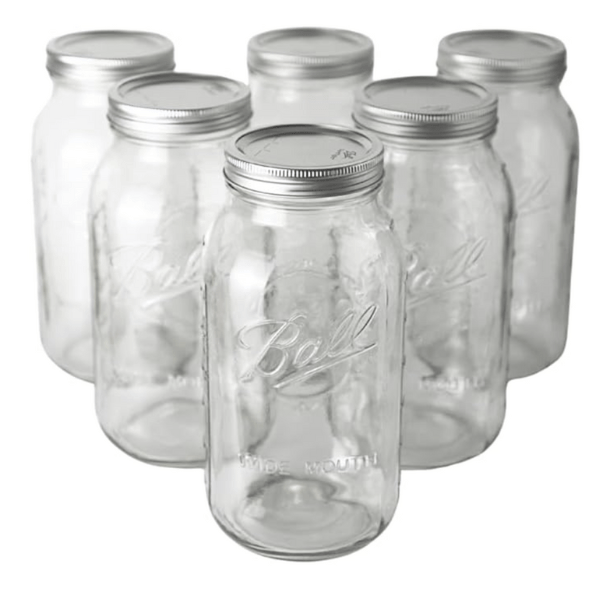
64oz Mason Jars with Lids & Bands
This high-quality and premium glass jar set includes six 64-ounce Mason jars with silver metal lids and bands. Made from durable, thick glass, these transparent jars make it easy to store in small spaces and to identify the contents inside.
If you want something a little more premium or high end, consider these beautiful square glass storage containers that I think we’re all seeing everywhere these days.
POPULAR

Premium Square Glass Containers
This all-in-one set includes 12 glass storage containers with lids, featuring 12 durable bamboo lids and 100 pre-printed labels for quick identification and 14 blank labels for your custom needs. Perfect for keeping your kitchen organized and your food fresh.
Build Your Self Sufficient Pantry Slowly
You don’t have to spend hundreds of dollars in one trip to build a functional pantry—slow and steady wins the race. Add a few staples each week as part of your regular grocery haul. For example, maybe this week you grab a bag of rice and some lentils, and next week you focus on spices. Over time, these small additions add up to a well-stocked setup without blowing your budget.
The golden rule of pantry management is simple—rotate, rotate, rotate. Place newer items at the back and older ones in the front so you’re always using up things before they expire. And don’t underestimate the power of labels and clear storage containers for easy organization. It’s all about making your pantry work smarter for you.
Once your pantry is set, you’ll find yourself naturally making more homemade staples and buying less processed food. Got some flour and water? You’re halfway to making fresh bread. Have veggie scraps? Turn them into a flavorful broth. These little habits not only save money but also give you a deeper connection to the food you consume. Plus, they just taste better!
Build Your Pantry, Build Your Freedom
At the end of the day, a self-sufficient pantry isn’t about doing it perfectly, and it’s definitely not about feeling overwhelmed. It’s about starting small, building habits, and giving yourself the tools to take charge of your meals in a way that feels empowering.
If you’re ready to take the next step, check out my other articles on food preservation techniques, meal planning tips, and pantry organization. Together, we can build a thriving pantry that supports our lives and gives us the freedom to enjoy delicious, stress-free meals whenever we want.

Interested in learning to build more options out of the system? Click here. Or join my newsletter where I share tips each week.
Thanks for reading!


Food independence
How We Built A Years Worth of Food Security
Popular Posts

Self Sufficiency
My 2020 Wake Up Call That Changed My Life

self sufficiency
What Self Reliance Really Means

Food preservation
The #1 Skill That Saves Us $300/month


New around here? Start with these resources
the FREEBIES

How To Detox Your Home Naturally
download
Self Sufficiency Checklist
download
The World Full of Natural Remedies
download
A daily 90-second lesson delivered straight to your inbox, with the exact steps I took to eliminate my dependencies - house, electricity, water, food - and get out in just 5 years (without leaving the suburbs, without acres of land).
Fast track your exit path from 30 -> to 5 years
free email course

Join over 1K+ Individuals & families
