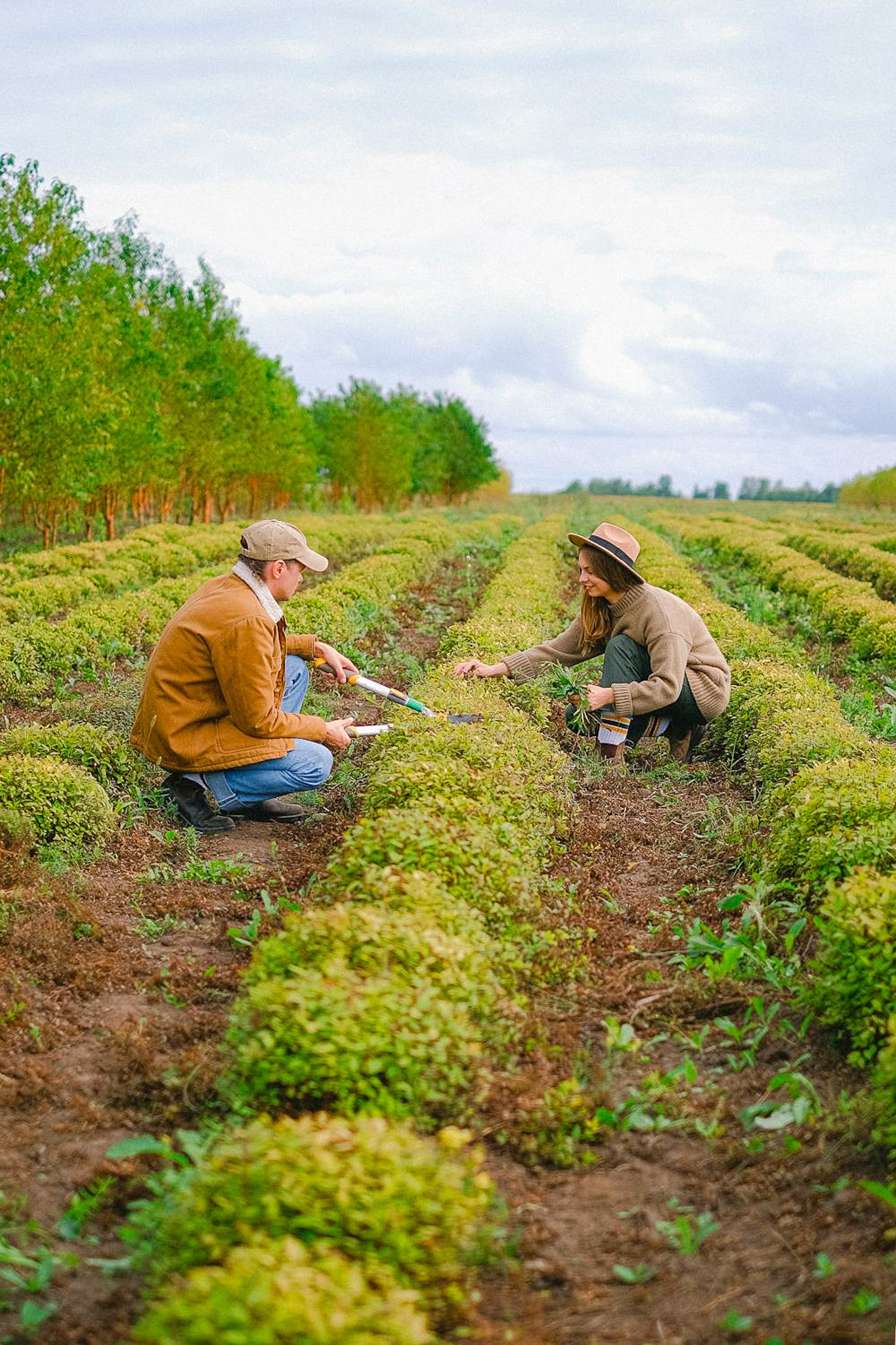


Self-sufficiency is a goal that many aspire to achieve. It involves reducing reliance on external systems and taking control of aspects such as your food supply, energy consumption, financial stability, and personal skills. Becoming self-sufficient can seem daunting at first, but with careful planning and consistent effort, it is an attainable and rewarding endeavor. This guide outlines practical steps you can take in your journey to self-sufficiency.
Before we dive in, I am going to give you the secret: use Maslow’s Hierarchy of Needs to guide your self-sufficiency journey. What I mean by that is prioritize the things at the bottom of the hierarchy before you spend time on things at the top. The base of the hierarchy are the things that will most disrupt your life and peace if they are uncared for in an emergency.
Why Prioritize Self-Sufficiency Now?
The world feels more unpredictable than ever, doesn’t it? With rapid change and growing challenges like global supply chain disruptions, wild weather fueled by climate change, and economic ups and downs, I find myself thinking more and more about the importance of self-sufficiency. Imagine the peace of mind that comes with knowing you’re ready—whether it’s a food shortage, a sudden power outage, or a financial rough patch. It’s empowering!
I never want to be a downer but I have to express the importance – you need to be more self-sufficient than you are today. Even more so if you have children. When you are self-sufficient, your base needs are protected as the world changes around you. You become more resilient to layoffs, disasters, supply chain breakdowns and you safeguard your family.
It’s worth it. Now let’s dive into how you can become self-sufficient starting with small steps today.
Understanding Self-Sufficiency
Before embarking on the path to self-sufficiency, it is important to define what it means for you. For some, it may involve growing their own food and generating their energy, while for others, it may mean learning a wide variety of skills to handle day-to-day challenges without external help. Think about your goals and the areas in which you’d like to become more independent.
Self-sufficiency often involves a blend of preparedness, sustainability, and creativity. It isn’t about isolation from society but rather about reducing your dependency on external systems so you can lead a more empowered, sustainable, and resilient life.
Start With Financial Independence
Financial independence is a key foundation of self-sufficiency. Without financial stability, it’s difficult to invest in other aspects of self-reliance. And lets be real – it’s hard to focus on any other part of life when your finances aren’t in order. Here’s how to get started:
- Budget Wisely: Track your income and expenses to identify areas where you can cut back. Saving money is one of the first steps toward financial security.
- Reduce Debt: Pay off high-interest debts and avoid incurring unnecessary liabilities. Being debt-free gives you greater control over your finances.
- Build a Safety Net: Establish an emergency fund that can cover at least three to six months of essential expenses. This provides a cushion against unforeseen events.
- Learn Financial Skills: Educate yourself about investments, passive income, and long-term saving strategies. The more you know about managing money, the more self-sufficient you will become.
I cannot emphasize enough how important this step is. Don’t worry about how long it will take, the point is to get the weight off your shoulders. While your paying off debt, you can continue moving through other parts listed below.
Grow Your Own Food
One of the most rewarding aspects of self-sufficiency is the ability to grow and harvest your own food. This not only reduces your reliance on grocery stores but also ensures you consume fresh, organic produce.
- Start Small: Begin with a small vegetable garden. Herbs, tomatoes, cucumbers, and leafy greens are great beginner crops.
- Learn About Composting: Turn kitchen scraps and yard waste into nutrient-rich compost to fertilize your plants naturally.
- Expand Gradually: Once you gain confidence, consider adding fruit trees, berry bushes, or even raising chickens for eggs.
- Preserve Your Harvest: Learn methods such as canning, freezing, and drying to store surplus produce for future use.
If space is limited, indoor gardening or container gardening can be excellent alternatives.
Generate Your Own Energy
Reducing your dependence on external energy sources is another important step toward self-sufficiency. Solar energy, wind power, and other renewable energy sources can provide sustainable and cost-effective solutions.
- Solar Panels: Installing solar panels on your roof can significantly reduce electricity bills and provide a renewable energy source.
- Backup Generators: Consider investing in a generator as a backup source of power for emergencies.
- Energy Efficiency: Minimize energy consumption by switching to energy-efficient appliances and insulating your home properly.
- DIY Projects: Learn small-scale DIY energy solutions like building a solar water heater or creating a wind turbine.
Master Basic Skills
A big part of self-sufficiency is learning skills that allow you to solve problems on your own. This not only saves money but also ensures you’re prepared to handle unexpected challenges.
- Cooking From Scratch: Mastering the art of cooking with basic ingredients is essential. It allows you to avoid packaged and processed foods while saving money.
- Basic Repairs: Learn how to do simple home repairs such as fixing a leaky faucet, patching drywall, or repairing furniture.
- Sewing and Mending: Knowing how to sew and repair clothing extends the life of your wardrobe and reduces waste.
- First Aid: Take a basic first aid course so you can confidently respond to minor injuries or health emergencies.
Being equipped with practical skills makes you less reliant on professional services and enhances your problem-solving abilities.
Build a Community Network
While self-sufficiency focuses on individual independence, it doesn’t mean you have to go it alone. Building a supportive community network can provide valuable resources, shared knowledge, and mutual aid.
- Participate in Local Groups: Join gardening clubs, homesteading communities, or DIY workshops in your area.
- Bartering System: Exchange goods and services with neighbors and friends. For example, you might trade vegetables for homemade soap or eggs for carpentry work.
- Skill Sharing: Share your expertise with others while learning new skills from those in your network. This fosters collaboration and enriches your self-sufficiency efforts.
A strong community can act as a safety net when you face challenges that you cannot handle alone.
Reduce Waste and Reuse Resources
Minimizing waste is a sustainable practice that goes hand-in-hand with self-sufficiency. By reusing what you already have, you save money and reduce your environmental impact.
- Get Creative: Repurpose old materials for new uses. For example, glass jars can become storage containers, and worn-out clothing can be turned into cleaning rags.
- Upcycle: Transform discarded items into something valuable. For instance, use wood pallets to make furniture or garden beds.
- Practice Minimalism: Focus on what you truly need and avoid unnecessary consumption. This mindset helps you prioritize quality over quantity.
Sustainable living not only aligns with self-sufficiency but also contributes to environmental preservation.
Learn Food Preservation and Storage
Once you begin producing your own food, proper preservation and storage become essential skills. These methods help you store food for long periods, ensuring availability during shortages or off-seasons.
- Canning: Use water bath or pressure canning to preserve fruits, vegetables, and soups.
- Freezing: Freeze surplus produce, meats, and dairy products to extend their shelf life.
- Drying: Dehydrate foods such as herbs, fruits, and meats for easy storage and consumption.
- Root Cellaring: Store root vegetables like potatoes, carrots, and onions in a cool and dark environment for longevity.
By preserving food, you make the most of your harvest and reduce dependency on store-bought supplies.
Cultivate Resilience and Adaptability
Self-sufficiency is as much about mindset as it is about practical actions. Being resilient and adaptable allows you to face challenges with confidence and find solutions.
- Develop Problem-Solving Skills: Approach obstacles with a creative and resourceful attitude. Think critically and explore alternatives when faced with difficulties.
- Stay Educated: Continuously learn new skills and stay informed about advancements in sustainability and self-sufficiency practices.
- Prepare for Emergencies: Stock essential supplies, create a plan, and practice emergency scenarios to be better prepared for unforeseen events.
The ability to adapt and persevere in the face of challenges is crucial for living a sustainable and self-sufficient lifestyle. By developing problem-solving skills, staying educated, and preparing for emergencies, individuals can overcome obstacles and thrive in any situation.
Conclusion
Living a sustainable and self-sufficient lifestyle is an incredible journey—one that’s as empowering as it is rewarding! Imagine taking charge of your resources, reducing your environmental footprint, and building a life rooted in resilience. Doesn’t that sound amazing? By embracing practices like conservation and adaptability, we can create a future that’s not only greener but also deeply fulfilling on a personal level. Every small step toward sustainability isn’t just a win for you—it’s a gift to our planet and the generations to come.
Additional Articles You’ll Love

Interested in learning to build more options out of the system? Click here. Or join my newsletter where I share tips each week.
Thanks for reading!


Food independence
How We Built A Years Worth of Food Security
Popular Posts

Self Sufficiency
My 2020 Wake Up Call That Changed My Life

self sufficiency
What Self Reliance Really Means

Food preservation
The #1 Skill That Saves Us $300/month


New around here? Start with these resources
the FREEBIES

How To Detox Your Home Naturally
download
Self Sufficiency Checklist
download
The World Full of Natural Remedies
download
A daily 90-second lesson delivered straight to your inbox, with the exact steps I took to eliminate my dependencies - house, electricity, water, food - and get out in just 5 years (without leaving the suburbs, without acres of land).
Fast track your exit path from 30 -> to 5 years
free email course

Join over 1K+ Individuals & families
