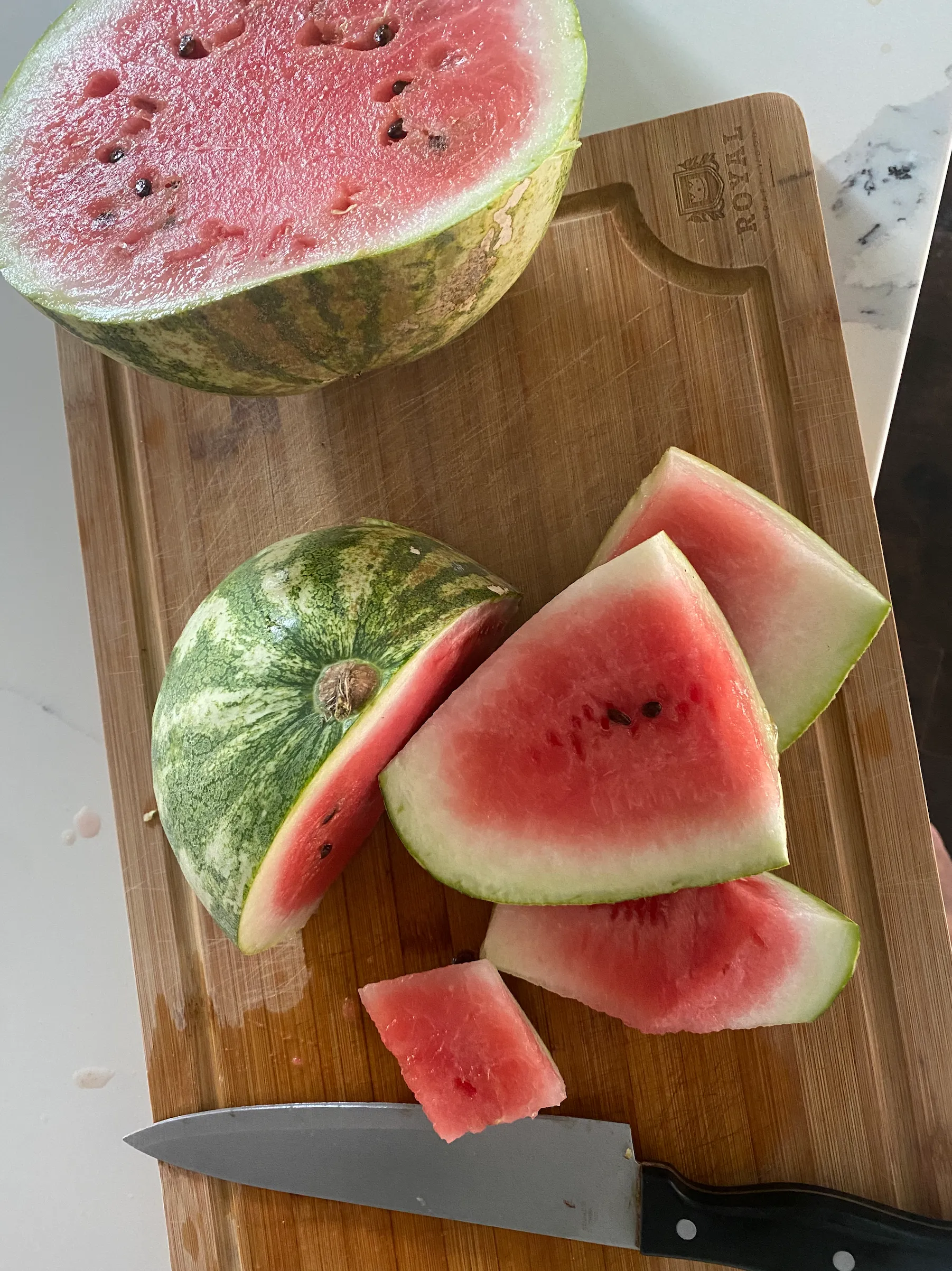


The thick white flesh between watermelon’s sweet pink center and tough green skin stares back at you from the cutting board. Most people automatically toss these chunky pieces into the garbage without a second thought. You’re about to discover that asking “can you eat watermelon rinds” opens the door to incredible nutrition, culinary creativity, and food waste reduction that transforms your kitchen approach completely.
You’ve wondered about those substantial white portions taking up space in your compost bin. You’ve questioned whether there’s more value hiding in plain sight. You’re about to learn that watermelon rinds represent just one example of how conventional food use barely scratches the surface of what you’re actually purchasing. This knowledge revolutionizes your relationship with food while maximizing nutrition and minimizing waste.
Can You Eat Watermelon Rinds Safely?
The answer to can you eat watermelon rinds is absolutely yes, and they’re surprisingly nutritious. Watermelon rinds are completely safe to consume when properly prepared and offer unique health benefits different from the sweet flesh everyone knows and loves. These white portions contain concentrated nutrients often missing from the fruit’s interior.
Watermelon rinds provide excellent sources of citrulline, an amino acid supporting cardiovascular health and muscle recovery. This compound converts to arginine in your body, promoting healthy blood flow and supporting athletic performance. The rind contains higher citrulline concentrations than the pink flesh most people eat.
The fiber content in watermelon rinds supports digestive health while providing bulk and satiety often lacking in the watery fruit interior. This fiber helps regulate blood sugar and supports healthy gut bacteria essential for immune function. You’re literally throwing away valuable nutrition when you discard these portions.
Nutritional Benefits Hidden in Watermelon Rinds
Understanding whether can you eat watermelon rinds includes recognizing their impressive nutritional profile. These white portions contain vitamin C, potassium, and magnesium supporting various body functions. The mineral content often exceeds levels found in the sweet interior flesh.
Watermelon rinds provide natural diuretic properties supporting kidney function and fluid balance. Traditional medicine systems have used watermelon rind preparations for centuries to support urinary tract health. Modern research confirms these traditional uses have scientific basis.
The chlorophyll content in green rind portions offers antioxidant benefits while supporting detoxification processes. This compound helps neutralize harmful free radicals while supporting liver function. You gain these benefits only when consuming the entire watermelon rather than discarding valuable portions.
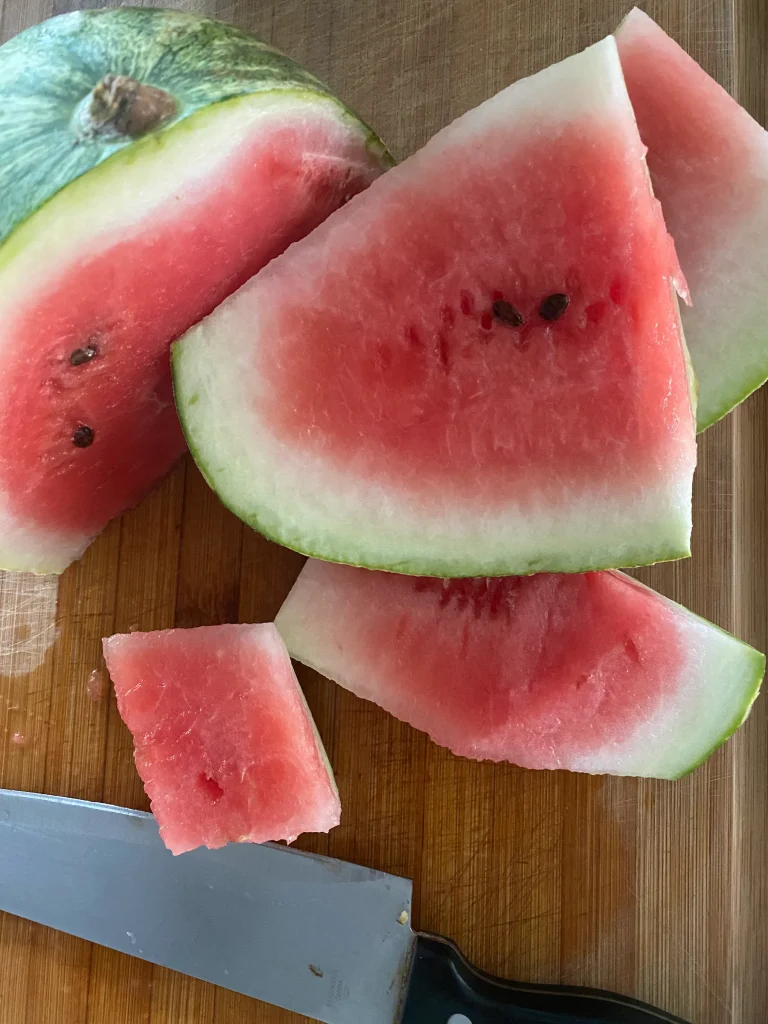
How to Prepare Watermelon Rinds for Eating
Knowing can you eat watermelon rinds safely requires understanding proper preparation methods. Always wash watermelon thoroughly before cutting to remove surface contaminants that could transfer to edible portions. Remove the tough outer green skin while preserving the nutritious white flesh.
Cut watermelon rinds into manageable pieces removing any remaining pink flesh and tough green exterior. The white portion should feel firm and crisp similar to cucumber or jicama. This texture makes rinds suitable for various culinary applications from pickles to stir-fries.
Proper preparation eliminates any concerns about digestibility while maximizing nutritional benefits. Raw rinds work well in salads and slaws, while cooked preparations soften texture for different culinary uses. Experimentation reveals numerous applications for these nutritious scraps.
Creative Culinary Uses for Watermelon Rinds
Once you know can you eat watermelon rinds, culinary creativity becomes the only limit. Pickled watermelon rinds create tangy, crunchy condiments perfect for sandwiches and charcuterie boards. The neutral flavor accepts various spice combinations while providing satisfying texture.
Fresh watermelon rinds work excellently in stir-fries where they maintain crisp texture while absorbing flavors from sauces and seasonings. Their mild taste complements both sweet and savory preparations without overwhelming other ingredients.
Juicing watermelon rinds creates refreshing beverages when combined with other fruits and vegetables. The mild flavor blends well with cucumbers, apples, and leafy greens while adding unique nutritional compounds. This approach maximizes nutrition extraction from whole watermelons.
Watermelon rind preserves and jams offer unique flavor profiles different from traditional fruit preserves. The natural pectin content helps achieve proper consistency while creating distinctive spreads perfect for breakfast or snack applications.
Maximizing Your Food Purchases
The question can you eat watermelon rinds represents a broader philosophy about maximizing food value from your purchases. Conventional food use patterns have you utilizing only portions of fruits and vegetables you buy, discarding substantial nutrition and flavor hiding in plain sight. Learning to use complete foods revolutionizes both nutrition and budget efficiency.
This approach extends far beyond watermelon rinds to countless other food scraps typically heading to garbage disposals. Broccoli stems, cauliflower leaves, beet greens, and radish tops all provide excellent nutrition when properly prepared. Understanding complete food utilization transforms your kitchen efficiency dramatically.
Carrot tops create excellent pesto when combined with nuts and cheese. Apple peels contain concentrated antioxidants perfect for teas and infusions. Citrus peels provide essential oils and zests enhancing countless recipes. These “scraps” often contain nutrition levels exceeding the portions most people actually consume.
Other Foods You Can Fully Utilize
Learning can you eat watermelon rinds opens awareness to numerous other foods offering complete utilization opportunities. Potato skins contain more nutrients than interior flesh, yet many people automatically discard these portions. Properly prepared potato skins provide fiber, potassium, and unique antioxidants.
Banana peels are completely edible when cooked properly and offer different nutritional compounds than the fruit interior. Many cultures incorporate banana peels into traditional dishes while Americans typically waste these nutritious portions.
Pumpkin seeds provide excellent protein and minerals, yet most people throw them away while carving jack-o’-lanterns. Roasted pumpkin seeds create nutritious snacks while eliminating waste from seasonal decorating activities.
Building Complete Food Awareness
Understanding whether can you eat watermelon rinds connects to broader principles about food awareness and resource utilization. Learning how to become self-sufficient includes maximizing value from every food purchase while minimizing waste heading to landfills. These skills build both nutritional and economic efficiency.
Complete food utilization requires shifting mindsets from conventional consumption patterns to creative, waste-reducing approaches. This transformation supports environmental stewardship while expanding culinary horizons and improving nutritional intake from existing food budgets.
Embrace Complete Food Philosophy
The answer to can you eat watermelon rinds is just the beginning of discovering incredible nutrition and culinary potential hiding in your kitchen scraps. Every fruit and vegetable offers complete utilization opportunities when you understand proper preparation and safety considerations.
You deserve maximum nutrition and value from every food dollar while supporting environmental responsibility through waste reduction. Start experimenting with watermelon rinds and expand to other complete food approaches. Transform your kitchen into a zero-waste zone where every portion of your food purchases contributes to your family’s health and your household’s efficiency. Discover the incredible abundance available when you use food completely rather than conventionally.

Interested in learning to build more options out of the system? Click here. Or join my newsletter where I share tips each week.
Thanks for reading!


Food independence
How We Built A Years Worth of Food Security
Popular Posts

Self Sufficiency
My 2020 Wake Up Call That Changed My Life

self sufficiency
What Self Reliance Really Means

Food preservation
The #1 Skill That Saves Us $300/month


New around here? Start with these resources
the FREEBIES

How To Detox Your Home Naturally
download
Self Sufficiency Checklist
download
The World Full of Natural Remedies
download
A daily 90-second lesson delivered straight to your inbox, with the exact steps I took to eliminate my dependencies - house, electricity, water, food - and get out in just 5 years (without leaving the suburbs, without acres of land).
Fast track your exit path from 30 -> to 5 years
free email course

Join over 1K+ Individuals & families
