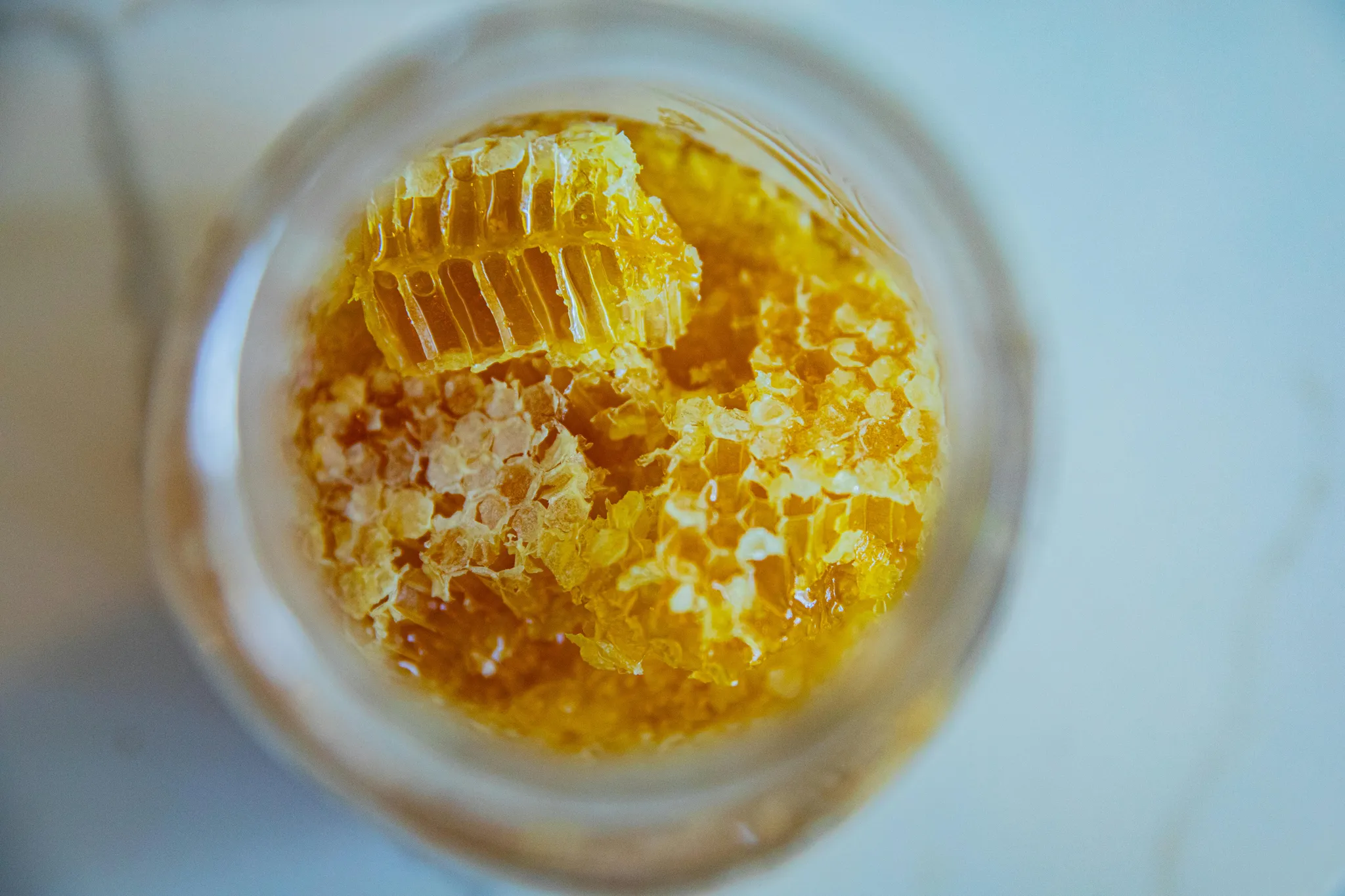


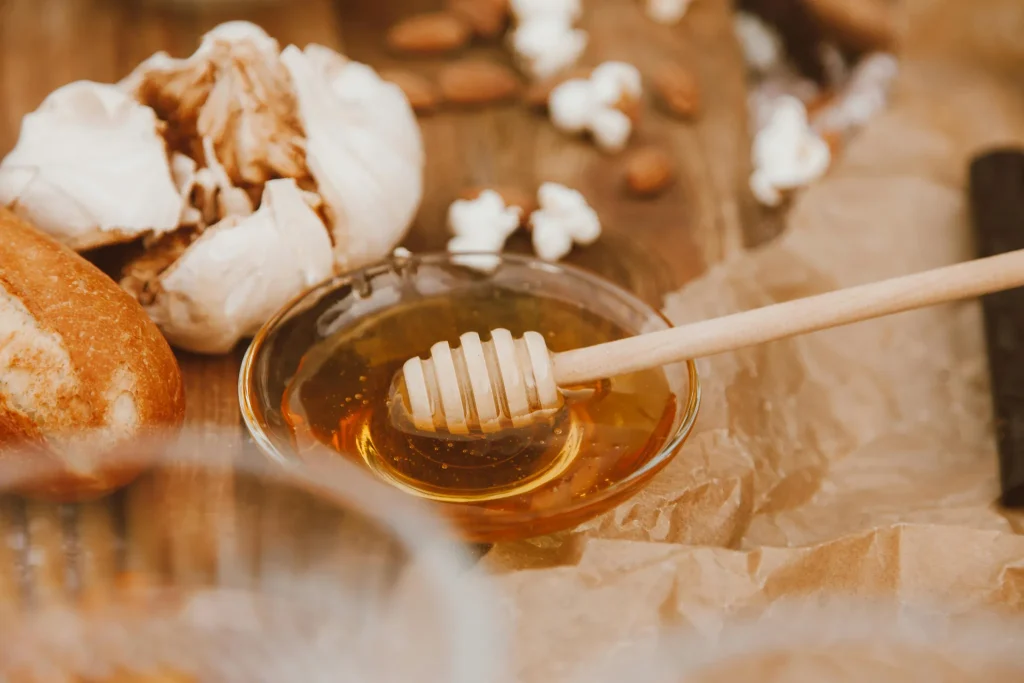
The amber sweetness dripping from a wooden dipper connects you to something ancient and pure. This isn’t just a sweetener. It’s liquid sunshine created by thousands of bees working tirelessly in your local landscape. You’re holding a product that captures the essence of your specific region’s flowers, trees, and seasons in every golden drop.
You’ve wondered why local honey costs more than grocery store options. You’ve questioned whether the benefits justify the price difference. You’re about to discover why local honey represents far more than just a natural sweetener. This golden treasure offers health benefits, environmental support, and community connection that processed alternatives simply can’t match.
Why Buy Local Honey for Your Health
Local honey delivers remarkable health benefits extending far beyond simple sweetness. Your nearby beekeepers produce honey from flowers and plants growing in your immediate environment. This creates a natural medicine cabinet perfectly tailored to your local conditions. Raw, unprocessed honey contains enzymes, antioxidants, and minerals that commercial processing destroys.
Local honey helps manage seasonal allergies naturally. Bees collect pollen from plants causing your sneezing and congestion. Small amounts of this pollen in local honey act like natural immunotherapy. Your body gradually builds tolerance to local allergens through regular honey consumption. This process takes time but offers lasting relief without pharmaceutical side effects.
The antimicrobial properties in local honey fight bacteria and support immune system function. Raw honey contains hydrogen peroxide and other compounds killing harmful microorganisms. These natural antibiotics work effectively against infections while supporting beneficial gut bacteria. Commercial honey processing removes these powerful healing compounds.
Lesser-Known Benefits of Choosing Local
Local honey provides energy in a form your body recognizes and processes efficiently. Unlike refined sugars causing blood sugar spikes and crashes, honey contains fructose and glucose in balanced ratios. This provides sustained energy without the dramatic ups and downs of processed sweeteners.
Raw local honey aids digestion and supports gut health naturally. The enzymes present in unprocessed honey help break down foods and improve nutrient absorption. These beneficial compounds support healthy intestinal flora while reducing digestive inflammation. Commercial processing eliminates these digestive benefits completely.
Local honey offers superior mineral content reflecting your region’s soil and water conditions. Bees collect minerals from local plants and concentrate them in honey. This creates a nutritional profile matching your body’s needs based on environmental factors. Store-bought honey lacks this localized nutritional density.
The natural probiotics in raw local honey support immune system function. These beneficial microorganisms colonize your digestive tract and strengthen natural disease resistance. Processed honey contains no living beneficial bacteria due to high-heat treatment and filtration processes.
The Fake Honey Industry Reality
Netflix documentaries like “Rotten” expose the shocking reality of commercial honey adulteration. Investigators discovered that up to 75% of grocery store honey contains no pollen whatsoever. This indicates heavy processing removing all beneficial compounds. Much commercial honey contains high-fructose corn syrup, rice syrup, and other artificial sweeteners.
Chinese honey flooding American markets often contains banned antibiotics and heavy metals. These products enter the supply chain through transshipping operations designed to hide country of origin. Your grocery store honey may contain contaminants you’d never knowingly consume.
Commercial honey operations frequently feed bees sugar water and artificial supplements instead of allowing natural flower foraging. This produces a sweet substance technically called honey but lacking the complex nutritional profile of real honey. The bees essentially become sugar water processing factories rather than natural honey producers.
Ultra-filtration processes remove all pollen and beneficial compounds from commercial honey. This creates a clear, shelf-stable product with indefinite storage life. Unfortunately, this processing eliminates every health benefit making honey valuable as medicine and nutrition.
Supporting Your Local Ecosystem
Buying local honey directly supports beekeepers maintaining healthy pollinator populations in your area. These vital insects pollinate crops and wild plants essential to regional food security. Your purchase helps fund hive maintenance, bee health programs, and sustainable beekeeping practices.
Local beekeepers often practice more sustainable methods than commercial operations. They avoid harmful pesticides and antibiotics while maintaining hive locations promoting natural bee behavior. Your support enables these ethical practices continuing pollinator conservation efforts.
Regional honey production reduces transportation environmental impact significantly. Local honey travels miles instead of thousands of miles to reach your table. This dramatically reduces carbon footprint while supporting local agricultural sustainability.
Building Community Food Networks
Understanding why buy local honey includes recognizing how purchasing local honey creates relationships with producers understanding your region’s agricultural conditions. These beekeepers often expand into other products like beeswax, propolis, and seasonal produce. Building these connections forms the foundation of local food security networks.
Local honey producers frequently collaborate with other farmers and food producers in your area. Your support strengthens entire regional food systems promoting agricultural diversity and economic resilience. These networks become increasingly valuable as global supply chains face disruption.
Learning how to become self-sufficient often begins with supporting local food producers, which explains another reason why buy local honey beyond just the health benefits. These relationships provide knowledge, resources, and inspiration for developing your own food production capabilities. Beekeepers frequently share expertise helping others start their own hives or gardens.
Finding Quality Local Honey Sources
Farmers markets provide excellent opportunities to meet local beekeepers and sample their products. These direct relationships ensure authenticity while supporting small-scale operations. You can ask specific questions about production methods and hive locations affecting honey characteristics.
Local health food stores often carry regional honey from nearby producers. These retailers typically verify authenticity and production methods before stocking products. Building relationships with knowledgeable staff helps you identify the highest quality options.
Beekeeping associations in your area maintain directories of local producers selling directly to consumers. These organizations promote ethical beekeeping practices and can recommend reputable sources. Many members offer farm visits and educational opportunities.
Making the Investment Worthwhile
Quality local honey costs more than grocery store alternatives because it delivers genuine value. You’re investing in authentic nutrition, environmental sustainability, and community support. The health benefits alone justify the price difference for most families.
Start with small quantities to sample different local producers and find favorites. Each beekeeper’s honey tastes different based on hive locations and seasonal flower availability. This variety offers culinary excitement impossible with processed alternatives.
Store raw honey properly to maintain beneficial properties indefinitely. Raw honey never spoils when kept in sealed containers at room temperature. This makes local honey an excellent long-term investment in your family’s health and food security.
Transform Your Sweetener Choice
Understanding why buy local honey changes your perspective on this ancient food. You’re not just purchasing sweetener. You’re investing in health, environmental stewardship, and community resilience. Every spoonful connects you to local landscapes while supporting sustainable agriculture.
Local honey represents authenticity in a world of processed alternatives. You deserve real nutrition from real sources produced by people caring about quality and sustainability. Make the choice supporting your health, your community, and the irreplaceable pollinators making our food system possible.

Interested in learning to accelerate your path to freedom? Click here. I'll help you speed up your path to freedom by decades.
Thanks for reading!


Food independence
How We Built A Years Worth of Food Security
Popular Posts

Self Sufficiency
My 2020 Wake Up Call That Changed My Life

self sufficiency
What Self Reliance Really Means

Food preservation
The #1 Skill That Saves Us $300/month
New around here? Start with these freebies
The Digital
FREEBIES
The Ownership Playbook
Cut off 10+ years to early freedom

The Book of Natural Remedies
download

The Canning Quick Start Guide
Can your first batch in 2 hours

