I'm a woman who left a corporate job, paid off every bill we used to owe every month, and bought back our time decades before retirement. My mission? To teach families how to do the same by owning more of their life.
Hi! I'm Janiece
Listen to the pod
Ownership Playbook
The rich, golden aroma of caramelized onions simmering in broth fills your kitchen with pure comfort food magic. This beloved soup represents everything wonderful about home cooking – simple ingredients transformed into something extraordinary through patience and technique. You’re about to master a preservation method that captures this restaurant-quality comfort in shelf-stable form. If you’ve been curious about canning onion soup or wondering how to start canning complex, hearty meals, this project delivers incredible flavor while building essential food preservation skills. There’s something deeply satisfying about having homemade soup ready for cold nights or busy weekdays.
Why Master Canning Onion Soup
Learning to preserve onion soup gives you restaurant-quality meals at a fraction of the cost. Store-bought versions can’t compete with the depth of flavor you achieve through slow caramelization and quality ingredients. You control every element – the sodium levels, the richness of the broth, and the sweetness of perfectly cooked onions. Having jars of homemade soup means elegant dinners are just minutes away whenever you need them.
Best Onions for Perfect Soup
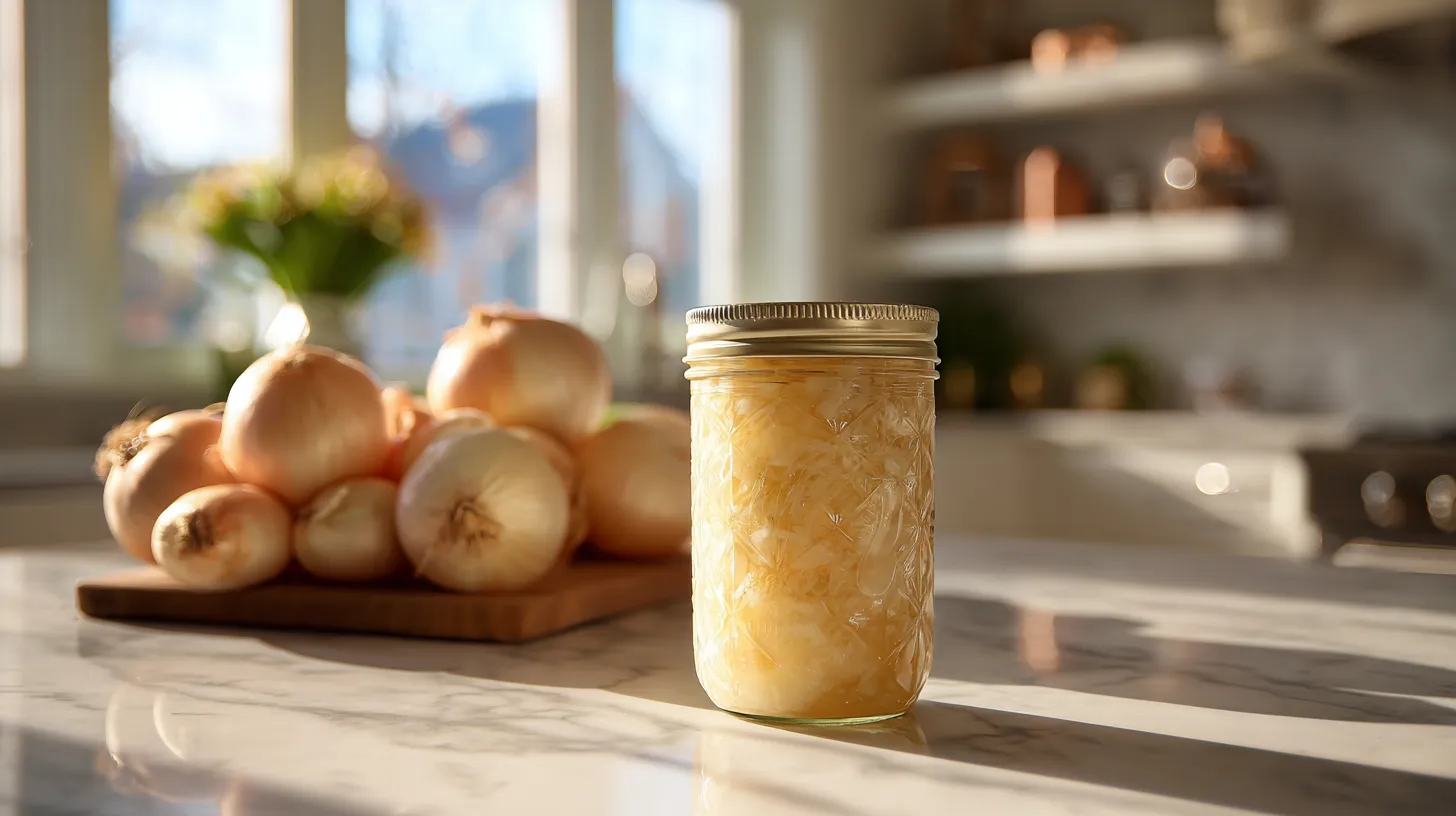
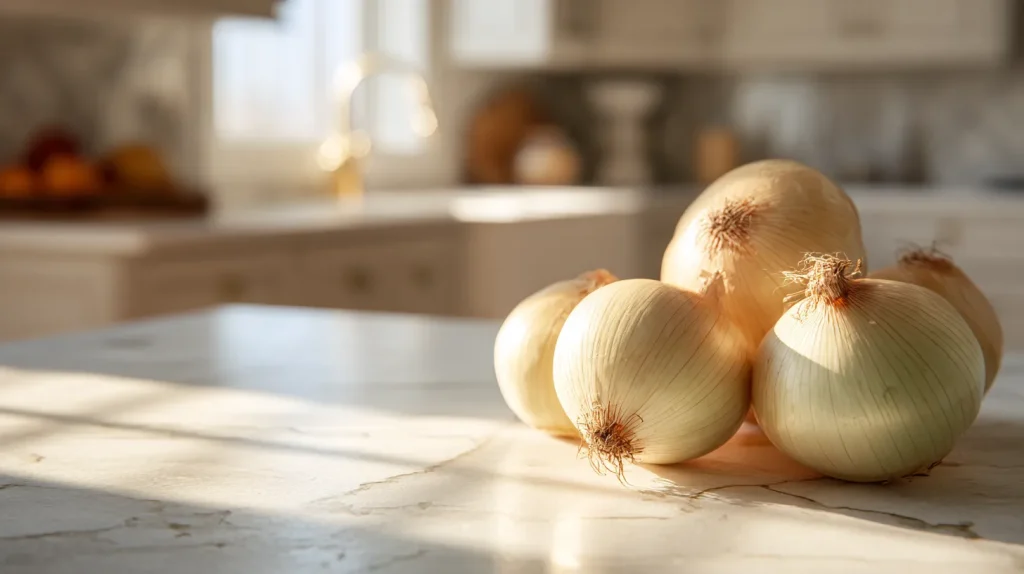
Choose sweet onion varieties like Vidalia, Walla Walla, or yellow Spanish onions for the most complex, mellow flavor when caramelized. These varieties develop incredible sweetness during the long cooking process that defines great onion soup. Avoid red onions as they can create muddy colors and sharp flavors. White onions work in a pinch but won’t develop the same depth as sweet varieties.
Essential Equipment for Soup Preservation
You’ll need specific equipment for safely preserving this low-acid soup. A pressure canner is absolutely essential – onion soup contains low-acid ingredients that require pressure processing for safety. Large, heavy-bottomed pots prevent scorching during the caramelization process. Sharp knives for uniform slicing ensure even cooking. Standard canning jars with new lids and pressure canning tools complete your setup.
Critical Safety Requirements for Canning Onion Soup
Here’s where food safety becomes absolutely non-negotiable. Onion soup must be pressure canned because onions and broth are low-acid ingredients that can harbor dangerous bacteria. Follow tested recipes exactly – never experiment with ingredient ratios, processing times, or pressure levels. The risk of botulism with improperly canned soup is serious. Always use current, tested recipes from reliable sources.
Onion Soup Canning Recipe
Learn safe methods for canning onion soup using pressure canning techniques.
5poundssweet onions (Vidalia or yellow), thinly sliced
3tbspvegetable oil or butter
6cupsbeef broth or vegetable broth (low sodium preferred)
2cupswater
2tspssalt
1/2tspblack pepper
2bay leaves
Equipment
Pressure canner with accurate gauge (dial or weighted)
7 pint (16 oz) canning jars or 4 quart (32 oz) jars with new lids and rings
Jar lifter, bubble removal tool, and headspace gauge
Large heavy-bottomed pot for caramelizing onions
Sharp knife and cutting board for slicing onions
Method
Prepare Jars: Examine all jars for cracks or chips and discard any damaged jars. Wash jars and rings in hot soapy water, rinse thoroughly, and keep jars hot in a 180°F oven or simmering water until ready to fill.
Heat Lids: Place new canning lids in a small saucepan, cover with hot water at 180°F, and keep hot until ready to use. Do not boil lids as this may damage the sealing compound.
Ready Canner: Add 2-3 inches of water to your pressure canner and place the rack inside. Begin heating the canner while preparing the soup to save time during processing.
Caramelize Onions: In a large heavy-bottomed pot, heat oil or butter over medium heat. Add sliced onions and cook slowly, stirring frequently, for 45-60 minutes until onions are deep golden brown and caramelized, reducing heat if they brown too quickly.
Add Broth and Seasonings: Add beef broth, water, salt, pepper, and bay leaves to caramelized onions. Bring mixture to a boil, then reduce heat and simmer for 10 minutes to blend flavors, stirring occasionally to prevent sticking.
Heat for Processing: Bring soup to a rolling boil and maintain heat throughout filling process to ensure soup is very hot when ladled into jars. Remove bay leaves before filling jars as they can interfere with proper headspace.
Fill Jars: Using a ladle and wide-mouth funnel, fill hot jars with hot soup, distributing onions and liquid evenly. Leave exactly 1 inch headspace from the rim of each jar for safe processing.
Remove Air and Seal: Remove air bubbles by running a plastic tool around the inside of each jar, adjusting liquid level as needed to maintain 1 inch headspace. Wipe jar rims thoroughly with a clean, damp cloth and center hot lids on jars with rings finger-tight only.
Load Canner: Place filled jars on the canner rack using a jar lifter, ensuring jars do not touch each other or the sides of the canner. Lock canner lid in place and heat on high until steam vents steadily for 10 minutes to purge air from canner.
Process Under Pressure: Place pressure regulator on vent and process at 11 pounds pressure for 75 minutes for pints or 100 minutes for quarts. Adjust pressure for altitude: 1,001-2,000 feet use 11 lbs, 2,001-4,000 feet use 12 lbs, 4,001-6,000 feet use 13 lbs, 6,001-8,000 feet use 14 lbs. After processing, turn off heat and let pressure return to zero naturally before opening canner.
Notes
NEVER use water bath canning for onion soup – pressure canning is mandatory for safety
Do not add cheese, wine, or cream before canning as these can affect safety and processing
Use only low-sodium broth to control salt levels and ensure proper processing
Maintain proper headspace and processing times exactly as specified for food safety
Check pressure gauge accuracy annually at your local extension office
Store properly sealed jars in a cool, dark place for up to 5 years for best quality
Always inspect jars before opening – discard if lid is bulging, leaking, or contents smell off
Soup may separate slightly during storage – stir gently when reheating for best appearance
Add cheese, croutons, or wine after opening and heating for serving
Step-by-Step Soup Preparation
Start by slicing onions uniformly for even caramelization. Cook sliced onions slowly in oil or butter until they’re deep golden brown and incredibly sweet – this process takes patience but creates the soup’s signature flavor. Add quality broth gradually and simmer until flavors meld beautifully. Season carefully, remembering that flavors concentrate during storage.
Proper Pressure Processing Methods
Fill sterilized jars with hot soup, maintaining proper headspace throughout the process. The combination of onions and broth requires specific processing parameters for safety. Remove air bubbles thoroughly and ensure jar rims are perfectly clean before processing. Use correct pressure and timing for your altitude and jar size, never rushing the cooling process.
Storage and Serving Your Preserved Soup
Store properly sealed jars in cool, dark places where they’ll maintain quality for up to five years. Label clearly with contents and processing dates for easy meal planning. When ready to serve, simply heat gently and top with cheese and croutons for classic presentation. The convenience of having gourmet soup ready transforms busy weeknight dinners.
Creative Serving Variations
Your preserved onion soup base works wonderfully beyond traditional presentations. Use it as a sauce for braised meats or vegetables. Mix it into rice or pasta dishes for instant flavor enhancement. It makes incredible gravy bases or can be reduced for concentrated flavor in other recipes. Each application showcases the versatility of your preserved soup.
Troubleshooting Common Issues
Sometimes onions may separate slightly from the broth during storage, which is completely normal and doesn’t affect safety. Simply stir before serving to redistribute ingredients. If any jars don’t seal properly, refrigerate immediately and use within several days. The low-acid nature of onion soup makes proper sealing crucial for safety.
Build Your Comfort Food Security
Mastering canning onion soup creates the foundation for comfort food independence that serves your family through every season. These advanced preservation skills connect you to generations of home cooks who understood the value of having satisfying meals ready. When you learn how to start canning complex soups like this, you’re building culinary security that transforms meal planning and kitchen confidence.
Every jar represents mastery over convenience culture and commitment to homemade quality that nurtures your family’s bodies and souls. You’re creating a legacy of comfort food excellence while building skills that provide both nutrition and emotional satisfaction. Transform those simple onions into the cornerstone of a kitchen that delivers restaurant-quality comfort whenever life demands it most!
Interested in learning to accelerate your path to freedom? Click here. I'll help you speed up your path to freedom by decades.
I cut decades off my family's path to financial freedom by refusing to play the game everybody else was playing. Now, I help thousands of families build the life of their dreams through ownership and good ol' fashioned skills.
If you're tired of renting your life and ready to own it, you'll get the real stories, the lessons that saved me years, and one small step each week to move you closer. You in?