I'm a woman who left a corporate job, paid off every bill we used to owe every month, and bought back our time decades before retirement. My mission? To teach families how to do the same by owning more of their life.
Hi! I'm Janiece
Listen to the pod
Ownership Playbook
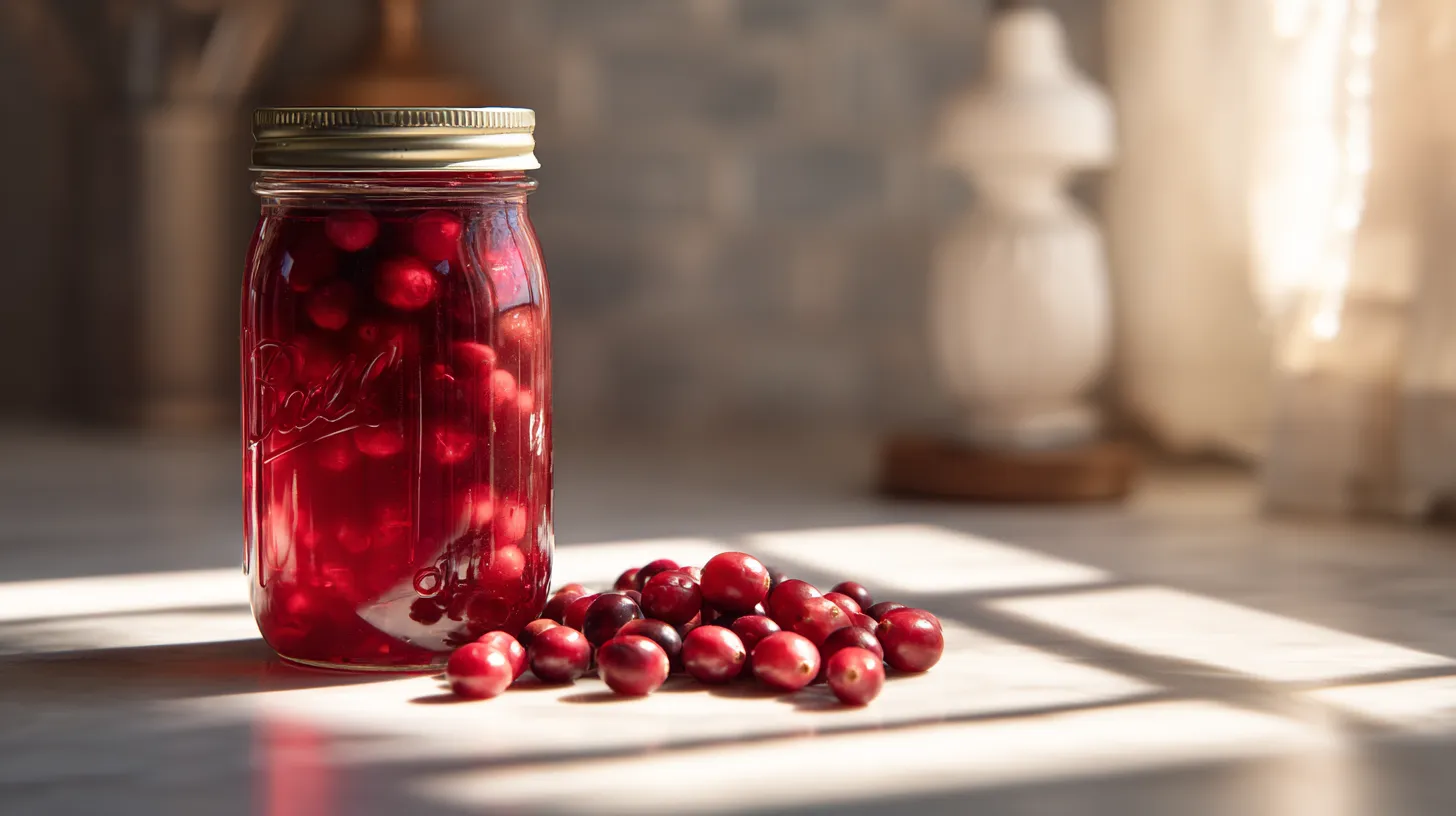
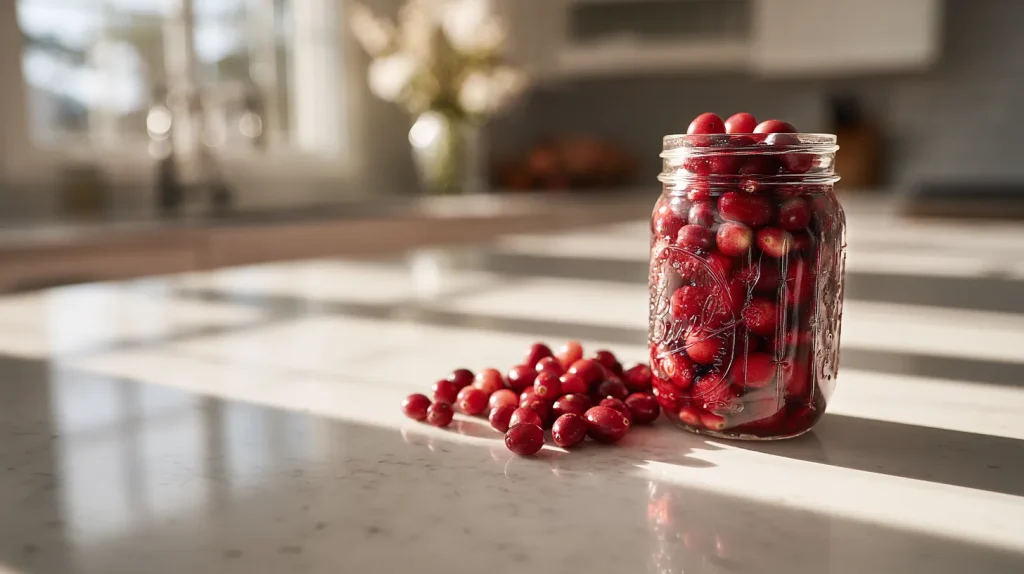
The vibrant crimson color of fresh cranberries signals autumn’s arrival and holiday preparations ahead. These tart little powerhouses pack incredible flavor and nutrition into every ruby-red berry. You’re about to discover preservation methods that capture peak cranberry season and extend it throughout the entire year. If you’ve been searching for cranberry canning recipes or wondering how to start canning these nutritious gems, you’ll find that cranberries offer some of the most rewarding and versatile preservation projects available. There’s something magical about transforming bags of fresh berries into elegant preserves that elevate everything from breakfast toast to holiday dinner tables.
Why Master Cranberry Canning Recipes
Learning to preserve cranberries gives you incredible flexibility in meal planning and holiday preparation. Fresh cranberries have a short season, but preserved versions maintain their nutritional punch and distinctive tart flavor for years. You can stock up during peak season when prices are most reasonable and quality is highest. Having homemade cranberry products means you can avoid the corn syrup and artificial ingredients found in most commercial versions.
Best Cranberries for Preservation Success
Choose firm, plump cranberries with deep red color and glossy skin for the best preservation results. Fresh berries should bounce when dropped – this is actually a quality test used commercially. Avoid any berries that are soft, wrinkled, or have brown spots. Frozen cranberries work wonderfully for most preservation projects, making these recipes accessible year-round when fresh berries aren’t available.
Essential Equipment for Cranberry Preservation
You’ll need some basic equipment to tackle various cranberry preservation projects. A large, heavy-bottomed pot prevents scorching during cooking processes. Fine-mesh strainers help remove seeds and skins when making smooth sauces or jellies. Standard canning jars with new lids, water bath canner, and basic canning tools handle most cranberry projects safely since cranberries are naturally high-acid fruits.
Popular Cranberry Preservation Methods
Classic cranberry sauce creates the perfect holiday accompaniment that’s infinitely better than canned versions. Cranberry jelly offers elegant, crystal-clear preserves perfect for gift-giving. Cranberry-orange relish combines tart berries with citrus brightness. Spiced cranberry chutney provides sophisticated condiments for cheese boards and roasted meats. Each variation brings different flavor profiles and culinary applications.
Cranberry Canning Recipe
Learn safe water bath canning methods for preserving fresh cranberries.
3poundsfresh or frozen cranberries, sorted and rinsed
3cupsgranulated sugar
3cupswater
2tbspbottled lemon juice (optional for enhanced color and flavor)
Equipment
Large heavy-bottomed pot for cooking cranberries
Wooden spoon for stirring and mashing
Boiling water bath canner or large stockpot with rack
6 half-pint (8 oz) canning jars with new lids and rings
Jar lifter, bubble removal tool, and headspace gauge
Ladle and wide-mouth funnel
Method
Prepare Jars: Examine all jars for cracks or chips and discard any damaged jars. Wash jars and rings in hot soapy water, rinse thoroughly, and keep jars hot in a 180°F oven or hot water until ready to fill.
Heat Lids: Place new canning lids in a small saucepan, cover with hot water at 180°F, and keep hot until ready to use. Do not boil lids as this may damage the sealing compound.
Prepare Canner: Fill your boiling water bath canner with enough water to cover jars by 1-2 inches when submerged. Begin heating water to a rolling boil while preparing cranberry sauce.
Cook Cranberries: In a large heavy-bottomed pot, combine cranberries, sugar, and water. Bring mixture to a boil over medium-high heat, stirring frequently to dissolve sugar and prevent sticking.
Simmer to Consistency: Reduce heat to medium and continue cooking for 5-10 minutes, stirring frequently, until cranberries pop and break down to your desired consistency. Mash with wooden spoon if smoother texture is preferred, or leave chunky for rustic sauce.
Add Acid and Test: Stir in bottled lemon juice if using and cook for 1 additional minute. Test consistency by spooning a small amount onto a cold plate – sauce should hold its shape but still be spreadable when cooled.
Heat for Processing: Bring cranberry sauce to a full boil and maintain heat throughout filling process to ensure sauce is very hot when ladled into jars for safe processing temperatures.
Fill Jars: Using a ladle and wide-mouth funnel, fill hot jars with hot cranberry sauce, leaving exactly 1/4 inch headspace from the rim. Distribute any whole berries evenly among jars.
Remove Air and Seal: Remove air bubbles by running a plastic tool around the inside of each jar, adjusting sauce level as needed to maintain proper headspace. Wipe jar rims thoroughly with a clean, damp paper towel and center hot lids on jars with rings finger-tight only.
Process in Water Bath: Using jar lifter, place filled jars on canner rack and lower into boiling water, ensuring jars are covered by 1-2 inches of water. Process for exactly 15 minutes, adjusting for altitude: add 5 minutes for 1,001-3,000 feet, add 10 minutes for 3,001-6,000 feet, add 15 minutes for above 6,000 feet. Remove jars and cool undisturbed on a towel for 12-24 hours.
Notes
Natural cranberry acidity makes this safe for water bath canning without additional acid
Check that all lids have sealed properly before storing (lids should not flex when pressed)
Store sealed jars in a cool, dark place for up to 2 years for best quality
Refrigerate after opening and use within 3 weeks
Sauce may thicken during storage and can be thinned with water when serving if desired
Natural color may darken slightly over time and this is normal for cranberry products
Always inspect jars before opening – discard if lid is bulging, leaking, or contents smell off
Use canned cranberry sauce for holiday meals, as condiment for meats, or mixed into baked goods
Step-by-Step Cranberry Preparation
Start by sorting through fresh cranberries and removing any stems, leaves, or damaged berries. Rinse berries in cool water and drain thoroughly. Some cranberry canning recipes call for chopping or grinding berries, while others use them whole. The preparation method depends on your desired final texture and specific recipe requirements.
Safe Processing Techniques
The natural acidity in cranberries makes most preparations safe for water bath canning. Follow tested recipes exactly for processing times, headspace requirements, and ingredient ratios. Different cranberry preparations may require different processing parameters, so never substitute instructions from one recipe for another. Always adjust processing times for your specific altitude.
Creative Flavor Combinations
Once you master basic techniques, exciting flavor possibilities expand your cranberry repertoire significantly. Apple-cranberry combinations offer perfect sweet-tart balance. Pear-cranberry preserves create elegant holiday gifts. Cranberry-walnut conserves provide rich, textural interest. Wine-spiked cranberry sauces add sophisticated flair to dinner parties. Each combination opens new culinary doors.
Storage and Serving Applications
Store properly sealed jars in cool, dark places where they’ll maintain quality for up to two years. Label clearly with contents and processing dates. Preserved cranberries work wonderfully beyond traditional holiday applications. They’re perfect in baked goods, mixed into yogurt, swirled into cheesecakes, or served alongside savory dishes year-round.
Troubleshooting Common Issues
Sometimes cranberry preserves don’t set as firmly as expected, which is completely normal. Softer consistency works beautifully as pancake syrup or ice cream topping. If any jars don’t seal properly, refrigerate immediately and use within several weeks. The high acidity of cranberries makes them quite forgiving in preservation.
Build Your Holiday Tradition Foundation
Mastering cranberry canning recipes creates the foundation for memorable holiday traditions and year-round culinary adventures. These skills connect you to generations of home preservers who understood the value of capturing seasonal abundance. When you learn how to start canning with naturally acidic fruits like cranberries, you’re building confidence for more advanced preservation projects.
Every jar represents independence from store-bought versions and commitment to wholesome, homemade quality. You’re creating edible gifts that show love through handcrafted care while building practical skills that serve your family’s nutrition and budget. Transform those ruby berries into the cornerstone of a truly self-sufficient kitchen that celebrates nature’s seasonal gifts with skill and creativity!
Interested in learning to accelerate your path to freedom? Click here. I'll help you speed up your path to freedom by decades.
I cut decades off my family's path to financial freedom by refusing to play the game everybody else was playing. Now, I help thousands of families build the life of their dreams through ownership and good ol' fashioned skills.
If you're tired of renting your life and ready to own it, you'll get the real stories, the lessons that saved me years, and one small step each week to move you closer. You in?