I'm a woman who left a corporate job, paid off every bill we used to owe every month, and bought back our time decades before retirement. My mission? To teach families how to do the same by owning more of their life.
Hi! I'm Janiece
Listen to the pod
Ownership Playbook
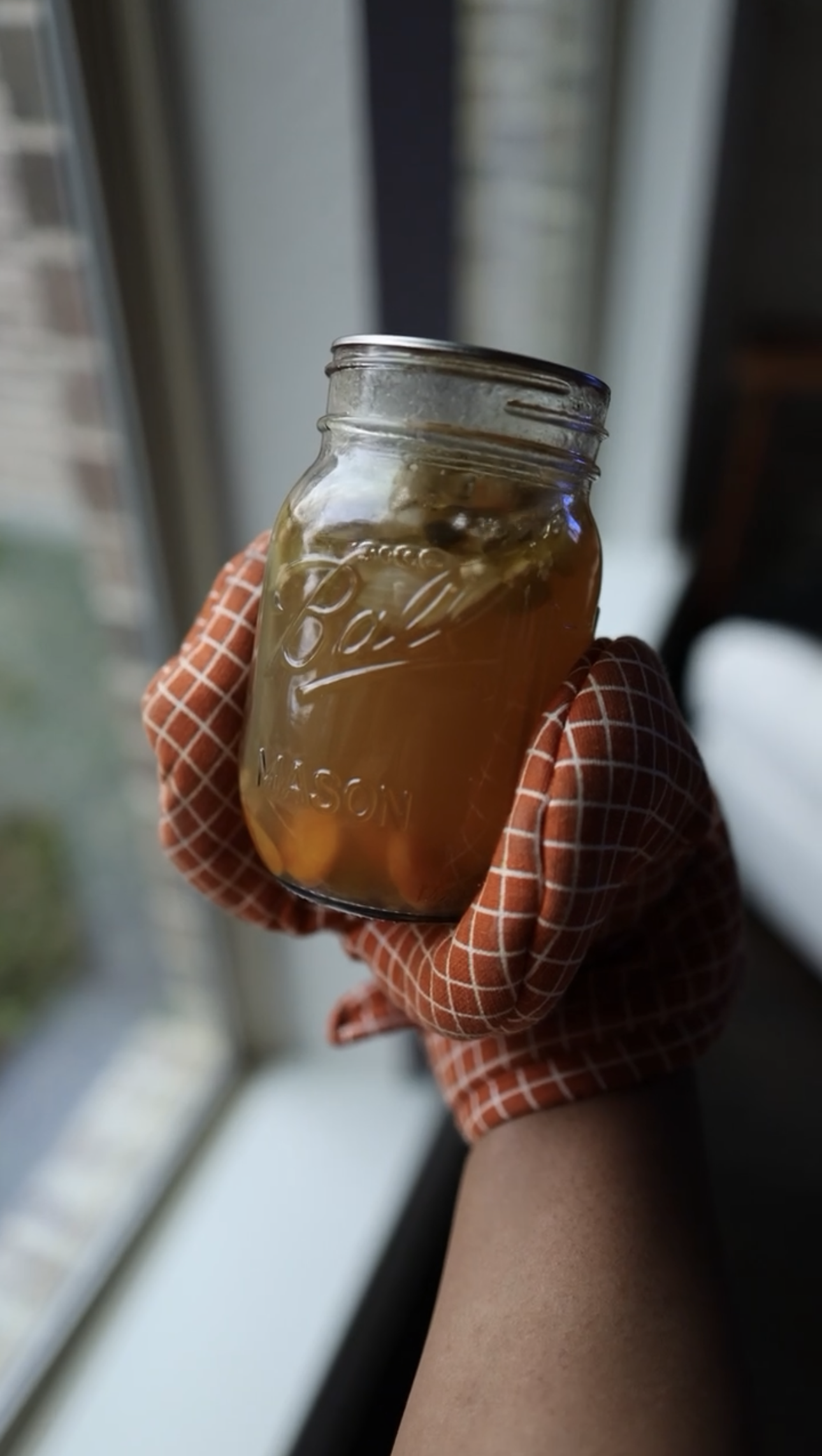
There’s something magical about opening a jar of homemade chicken soup on a busy weeknight, isn’t there? The aroma that fills your kitchen, the comfort it brings to your family, and the satisfaction of knowing you created this nourishing meal with your own hands. If you’ve been wondering how to start canning or looking for the perfect recipe to expand your preserving skills, this canning chicken soup recipe is about to become your new best friend. Not only will you save money and reduce food waste, but you’ll also create a pantry full of ready-made meals that rival anything you can buy at the store.
Why This Canning Chicken Soup Recipe Changes Everything
Let me tell you, once you master this canning chicken soup recipe, you’ll wonder how you ever lived without it. Having shelf-stable, homemade soup ready at a moment’s notice is a total game-changer for busy families. Whether it’s a sick day, unexpected guests, or one of those evenings when cooking feels impossible, you’ll have nourishing, delicious soup waiting for you. Plus, there’s incredible peace of mind that comes from knowing exactly what ingredients are in your family’s food.
Essential Equipment for Your Canning Chicken Soup Recipe
Before we dive into the recipe itself, let’s talk equipment. For this canning chicken soup recipe, you’ll need a pressure canner (not a pressure cooker – there’s a difference!), canning jars, new lids, rings, and basic canning tools like a jar lifter and headspace tool. I know the initial investment might feel overwhelming, but think of it as investing in your family’s health and your own food independence journey.
Canning Chicken Soup Recipe Ingredients
The beauty of this recipe lies in its simplicity and flexibility. You’ll need cooked chicken (leftover rotisserie works perfectly), fresh vegetables like carrots, celery, and onions, chicken broth, and basic seasonings. The key is using high-quality ingredients because the canning process will concentrate those flavors beautifully.
Step-by-Step Canning Chicken Soup Recipe Process
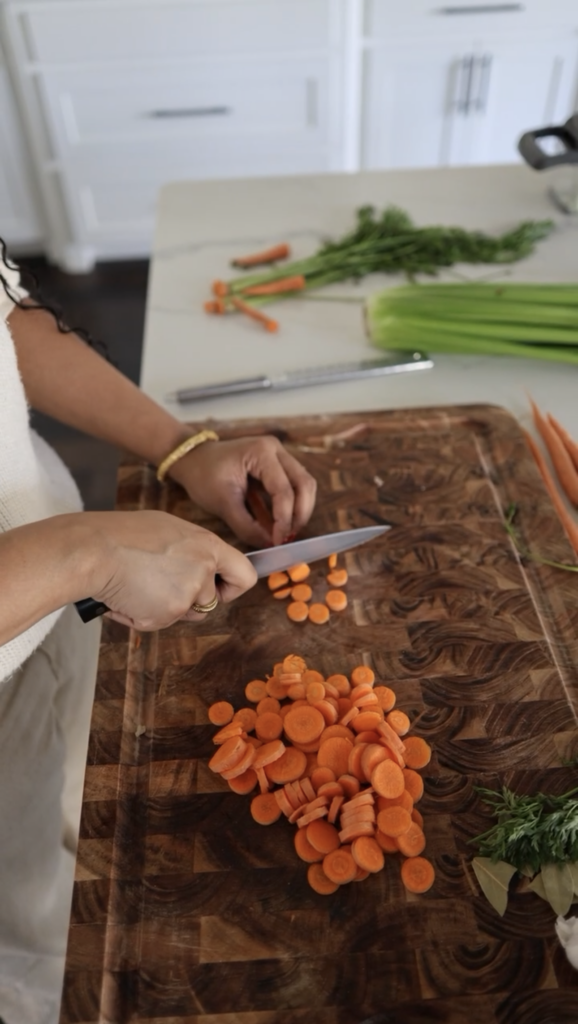
Start by preparing your vegetables – dice them into uniform, bite-sized pieces that will hold up well during the canning process. Cook your chicken if you haven’t already, and shred or cube it into generous pieces. In a large pot, combine your vegetables with chicken broth and bring to a boil, cooking until vegetables are slightly tender but still firm.
Add your cooked chicken and seasonings, then bring the mixture back to a boil. This pre-cooking step is crucial for food safety and ensures your soup will have the perfect texture after canning. Ladle the hot soup into your prepared canning jars, leaving the proper headspace – this is typically 1 inch for soup recipes.
Canning Chicken Soup Recipe
Master the perfect canning chicken soup recipe with step-by-step safety tips.
3lbscooked chicken, cut into 1-inch pieces (skinless, boneless)
3cupsdiced carrots (1/4-inch pieces)
3cups diced celery (1/4-inch pieces)
1cupdiced onions (1/4-inch pieces)
6-8cupschicken broth or stock (low sodium preferred)
1tspsalt per quart jar (optional
1/2tspblack pepper per quart jar (optional)
Equipment
Pressure canner with accurate gauge (dial or weighted)
7 quart (32 oz) canning jars or 14 pint (16 oz) jars with new lids and rings
Jar lifter, bubble removal tool, and headspace gauge
Large heavy-bottomed pot for cooking soup
Ladle and wide-mouth funnel
Method
Prepare Jars: Examine all jars for cracks or chips and discard any damaged jars. Wash jars and rings in hot soapy water, rinse thoroughly, and keep jars hot in a 180°F oven or simmering water until ready to fill.
Heat Lids: Place new canning lids in a small saucepan, cover with hot water at 180°F, and keep hot until ready to use. Do not boil lids as this may damage the sealing compound.
Ready Canner: Add 2-3 inches of water to your pressure canner and place the rack inside. Begin heating the canner while preparing the soup to save time during processing.
Cook Vegetables: In a large pot, combine diced carrots, celery, and onions with enough chicken broth to cover vegetables by 1 inch. Bring to a boil and cook for 5 minutes until vegetables are slightly tender but still firm.
Add Chicken: Add cooked chicken pieces to the vegetable mixture and add enough hot chicken broth to cover all ingredients by 1 inch. Bring mixture to a boil and maintain heat throughout filling process.
Fill Jars: Using a ladle and wide-mouth funnel, fill hot jars with soup mixture, distributing solids evenly among jars. Leave exactly 1 inch headspace from the rim of each jar.
Season and Cover: Add salt and pepper to each jar if desired, then cover contents with hot broth, maintaining the 1 inch headspace. Remove air bubbles by running a plastic tool around the inside of each jar, adjusting liquid level as needed.
Clean and Seal: Wipe jar rims thoroughly with a clean, damp cloth to remove any food particles or grease that could prevent proper sealing. Center hot lids on jars and apply rings finger-tight only.
Load Canner: Place filled jars on the canner rack using a jar lifter, ensuring jars do not touch each other. Lock canner lid in place and heat on high until steam vents steadily for 10 minutes to purge air from canner.
Process Under Pressure: Place pressure regulator on vent and process at 11 pounds pressure for 100 minutes for quarts or 75 minutes for pints. Adjust pressure for altitude: 1,001-2,000 feet use 11 lbs, 2,001-4,000 feet use 12 lbs, 4,001-6,000 feet use 13 lbs, 6,001-8,000 feet use 14 lbs. After processing, turn off heat and let pressure return to zero naturally before opening canner.
Notes
Never use a boiling water bath for chicken soup – pressure canning is mandatory
Do not add pasta, rice, flour, cream, or dairy products as these are unsafe for canning
Maintain proper headspace and processing times exactly as specified
Check pressure gauge accuracy annually at your local extension office
Store properly sealed jars in a cool, dark place for up to 2-3 years
Always inspect jars before opening – discard if lid is bulging, leaking, or contents smell off
Bring home-canned soup to a rolling boil for 10 minutes before serving for added safety
Safe Processing for Your Canning Chicken Soup Recipe
Here’s where things get serious about safety. Chicken soup must be processed in a pressure canner because it’s a low-acid food. Never attempt to use a boiling water bath for this recipe – it simply won’t reach the temperatures needed to eliminate harmful bacteria. Process your jars according to tested canning guidelines, adjusting for your altitude as needed.
Storage and Serving Your Canned Soup
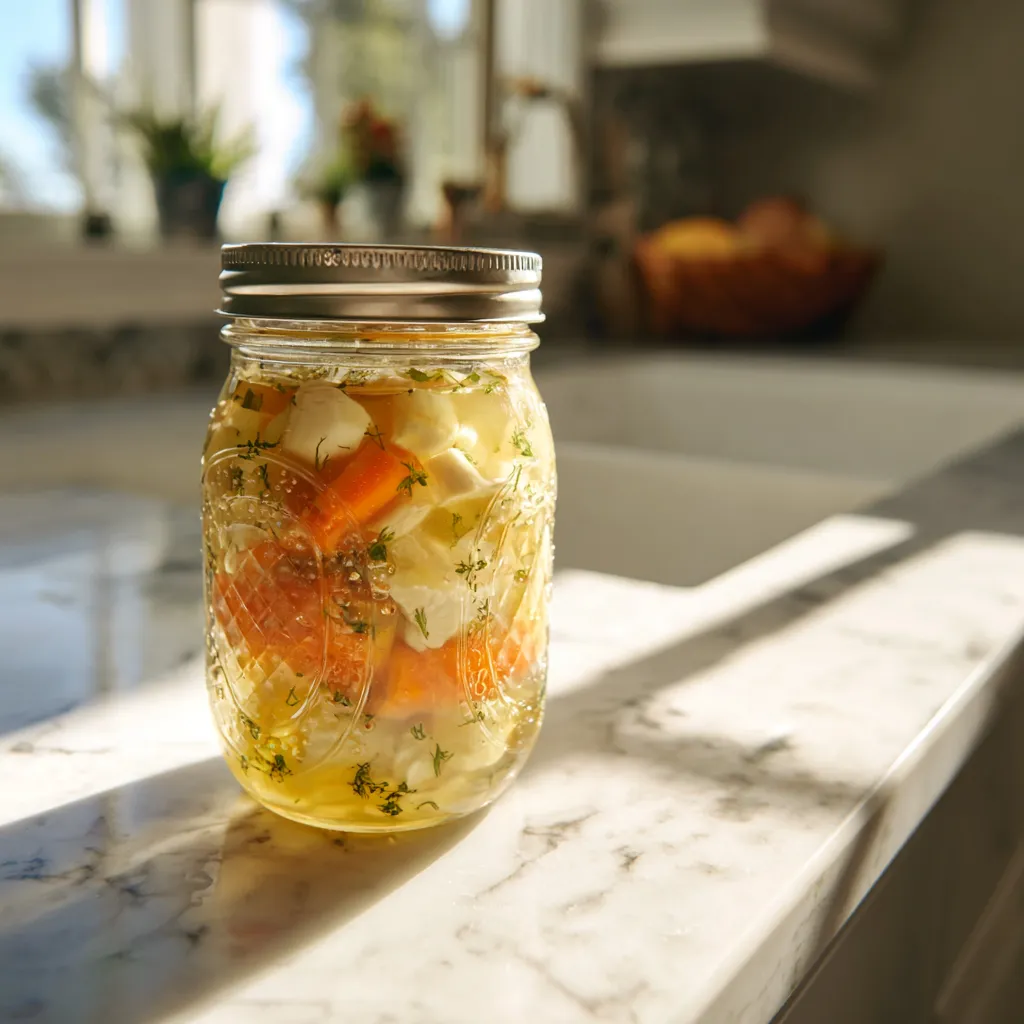
Once your jars have cooled and sealed properly (listen for those satisfying pops!), store them in a cool, dark place. Properly canned chicken soup will maintain its quality for up to two years, though it’s best used within the first year. When you’re ready to enjoy it, simply heat and serve – though I like to add fresh herbs or a splash of cream to brighten the flavors.
Troubleshooting Your Canning Chicken Soup Recipe
Sometimes jars don’t seal, and that’s okay! Simply refrigerate any unsealed jars and use them within a few days. If you notice any off odors, colors, or textures when opening your canned soup, trust your instincts and discard it. Food safety should always be your top priority.
Transform Your Pantry with Food Independence
This canning chicken soup recipe is so much more than just a preservation method – it’s your gateway to true food independence and carrying forward generational knowledge that our grandmothers understood instinctively. When you learn how to start canning and master recipes like this one, you’re not just saving money or creating convenience meals. You’re building skills that connect you to generations past while securing your family’s future nutrition needs.
There’s profound empowerment in knowing you can feed your family well, regardless of what’s happening in the world around you. So grab your pressure canner, gather your ingredients, and let’s start building that incredible, self-sufficient pantry together!
Interested in learning to accelerate your path to freedom? Click here. I'll help you speed up your path to freedom by decades.
I cut decades off my family's path to financial freedom by refusing to play the game everybody else was playing. Now, I help thousands of families build the life of their dreams through ownership and good ol' fashioned skills.
If you're tired of renting your life and ready to own it, you'll get the real stories, the lessons that saved me years, and one small step each week to move you closer. You in?