I'm a woman who left a corporate job, paid off every bill we used to owe every month, and bought back our time decades before retirement. My mission? To teach families how to do the same by owning more of their life.
Hi! I'm Janiece
Listen to the pod
Ownership Playbook
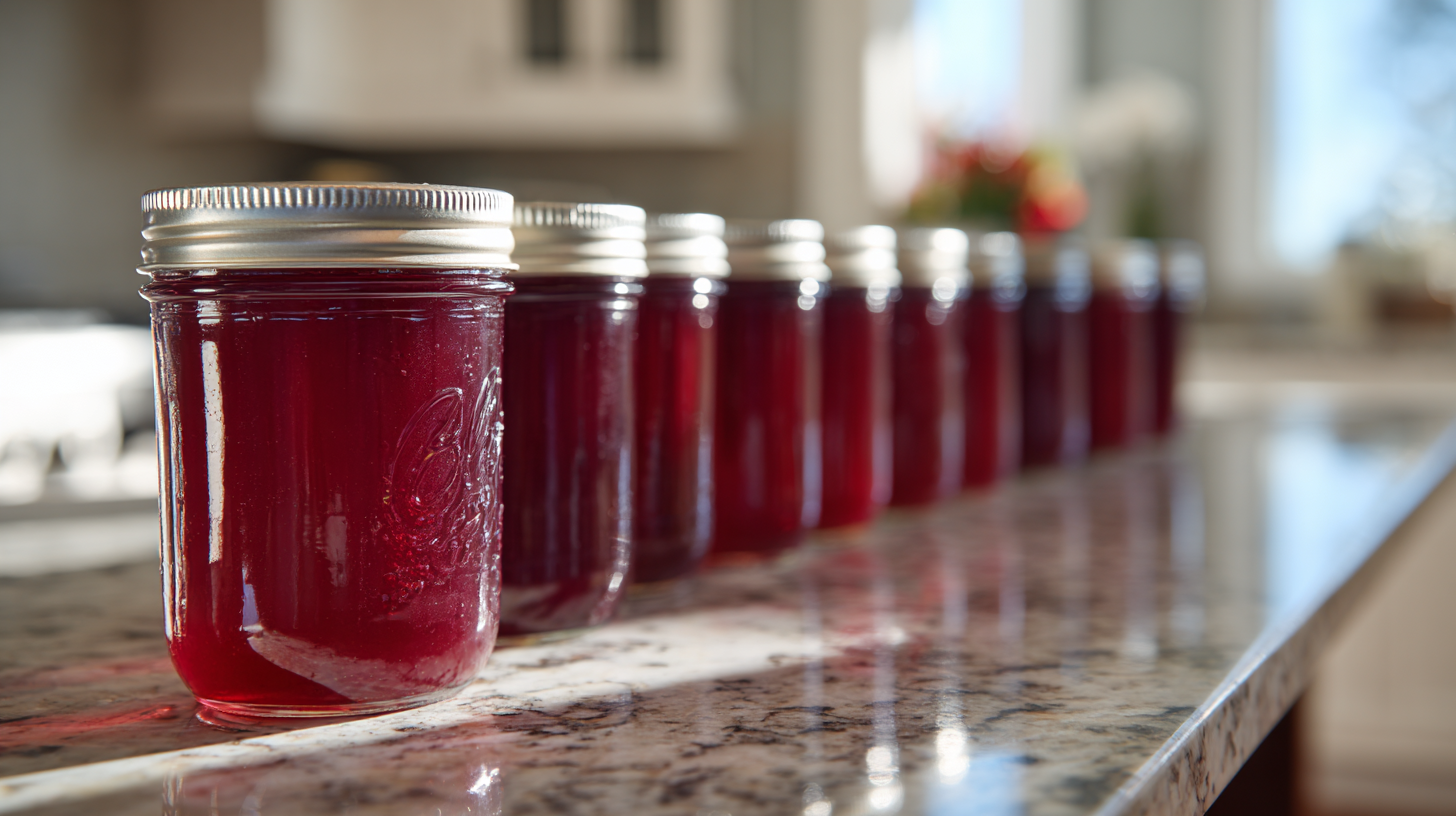
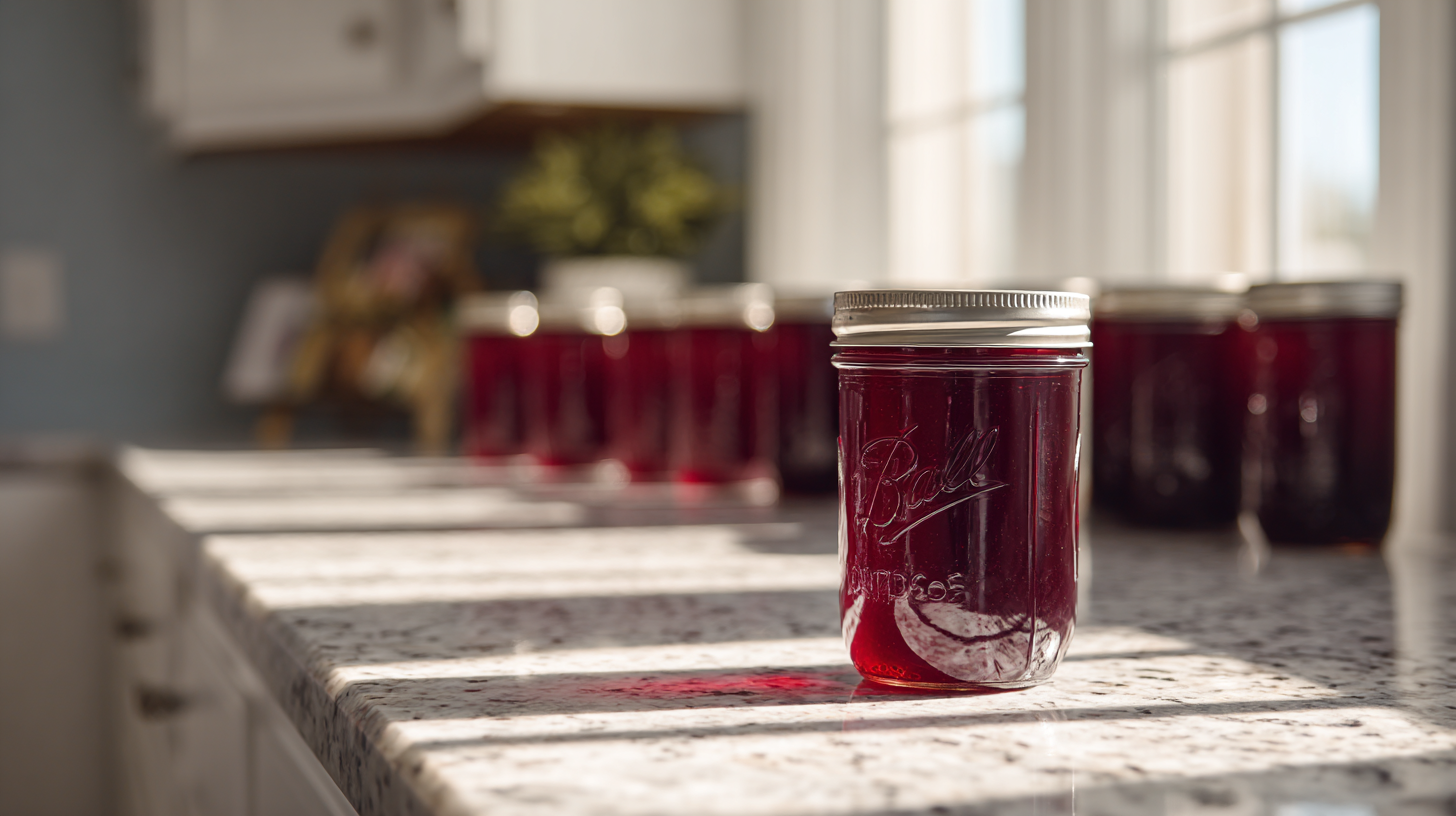
Let’s be honest – when was the last time you bought grape juice at the store and thought, “Wow, this tastes like actual grapes”? Probably never, because most commercial grape juice tastes more like sugar water than the beautiful fruit it’s supposed to represent. But here’s what I find fascinating: your great-grandmother probably knew exactly how to can grape juice that would put any store-bought version to shame, and she did it with ingredients she could actually pronounce.
In a world where everything feels uncertain – from supply chains to grocery prices – learning how to start canning feels less like a trendy hobby and more like a superpower. Because when you know how to preserve your own food, you’re creating genuine security for your family, one jar at a time.
Why Home Canning Matters More Than Ever
I don’t know about you, but I’m tired of feeling helpless when grocery prices skyrocket or when my favorite products suddenly disappear from shelves. Home canning puts the power back in your hands, and honestly, it feels revolutionary in the best possible way.
When you learn to can your own grape juice, you’re essentially capturing summer in a jar. Grape season comes and goes so quickly, but when you preserve that bounty, you’re stretching those sweet, juicy flavors throughout the entire year. It’s like having a secret stash of sunshine for those dreary winter months.
The quality difference is honestly mind-blowing. When you make your own grape juice, you control every single ingredient. No high fructose corn syrup, no artificial colors, no preservatives with names you can’t pronounce. Just pure, concentrated grape goodness that actually tastes like fruit.
How to Can Grape Juice: Understanding the Basics
Grape juice is actually perfect for beginners because grapes are naturally high in acid, which means they’re forgiving to work with. This natural acidity creates an environment where harmful bacteria can’t survive, making grape juice one of the safer foods to preserve at home.
You’ll be using water bath canning – no fancy pressure canners required, no intimidating gauges to monitor. Just you, some jars, and boiling water working together to create shelf-stable food that lasts for years.
Essential Equipment for Canning Grape Juice
The beautiful thing about grape juice canning is that you probably already have most of what you need in your kitchen right now. You’ll need a large, heavy-bottomed pot for cooking your grapes, a water bath canner (or any large pot that fits your jars), canning jars with new lids, a jar lifter, and a canning funnel.
A fine mesh strainer will be your best friend for getting smooth juice, and don’t forget a ladle and some heat-resistant measuring cups to make the whole process flow smoothly.
Grape Juice Canning Recipe
Learn how to can grape juice at home with this complete beginner's recipe. You're going to love it!
3.5lbsFresh, ripe grapes per quart of finished juice
Sugar to tasteoptional, typically 1/4 to 1/2 cup per quart
Wateras needed
Equipment
Stock pot or Water bath canner
Mason jars
Lids, rings
Method
Wash canning jars in hot, soapy water and rinse thoroughly. Keep jars hot by submerging in hot water or running through dishwasher cycle. Prepare new lids according to manufacturer's instructions.
Wash grapes thoroughly under cold running water, removing any damaged fruit and large stems. You do not need to remove every small stem as these will be strained out later.
Place prepared grapes in large, heavy-bottomed saucepan with 1/2 cup water. Heat over medium heat, crushing grapes gently with a potato masher or wooden spoon as they begin to soften and release juice.
Simmer grapes for 10-15 minutes, stirring occasionally, until grapes are completely soft and have released maximum juice. Do not boil vigorously as this can make juice cloudy.
Strain hot grape mixture through fine mesh strainer or food mill, pressing gently to extract juice. For clearer juice, strain a second time through cheesecloth-lined strainer.
Return strained juice to clean saucepan and heat to 190°F (do not boil). Add sugar to taste if desired, stirring until completely dissolved. Maintain temperature while filling jars.
Fill hot, sterilized jars with hot grape juice using canning funnel, leaving exactly 1/4 inch headspace. Wipe jar rims clean with damp cloth to ensure proper seal.
Apply new lids and rings, tightening rings to fingertip tight (snug but not over-tightened). Do not retighten rings after processing.
Process filled jars in boiling water bath for 15 minutes, ensuring water covers jar tops by 1-2 inches. Adjust processing time for altitude: add 5 minutes above 3,000 feet, 10 minutes above 6,000 feet.
Remove jars with jar lifter and place on towel-covered counter to cool completely for 12-24 hours. Check seals by pressing center of lid – properly sealed lids will not flex. Store properly sealed jars in cool, dark place for up to 2 years.
Notes
Only use tested recipes from USDA or Ball canning guides
Never alter acid levels by reducing recommended processing times
If jars fail to seal, refrigerate and use within 3 weeks
Discard any jars showing signs of spoilage, off odors, or damaged seals
Natural separation is normal – shake before serving
How to Can Grape Juice Safely
Safety isn’t negotiable when it comes to canning, but grape juice follows straightforward rules that are easy to master. Always use tested recipes from reliable sources – these aren’t suggestions, they’re requirements for safe preservation.
You’ll heat your grape juice to exactly 190°F – hot enough to eliminate unwanted microorganisms, but not so hot that you cook away all that beautiful fresh flavor. Processing times are equally important and based on extensive testing to ensure safety.
Always check your jar seals after they’ve cooled completely. A proper seal will have a slightly concave lid that doesn’t flex when you press the center.
Troubleshooting Common Issues
Don’t worry if your juice separates over time – that’s completely normal and safe. Just give it a good shake before serving. Commercial juices use stabilizers to prevent this, but your homemade version is pure and natural.
Cloudy juice might look different from crystal-clear commercial versions, but it’s perfectly safe and often more nutritious. If you notice small crystals forming, those are natural tartrates from the grapes – completely harmless and can be strained out if they bother you.
Beyond Basic Grape Juice
Once you’ve mastered the basics, your homemade grape juice becomes a building block for so many other creations. Use it as a base for homemade jelly, mix it with sparkling water for a refreshing spritzer, blend it into smoothies, or even use it in marinades for a subtle fruity sweetness.
The Deeper Impact of Food Independence
Learning how to can grape juice is about so much more than just preserving fruit. It’s about reclaiming a piece of food independence that connects you to generations of resourceful women who understood that true security comes from being able to feed your family well, no matter what challenges arise.
Every jar represents your ability to provide for your family regardless of what’s happening at the grocery store. There’s something profoundly empowering about knowing you have the skills to transform raw ingredients into shelf-stable nutrition.
Ready to Transform Your Kitchen?
Learning how to can grape juice is your gateway into a world of food independence that feels more relevant than ever. In our modern world of uncertain supply chains and questionable ingredients, these traditional skills are genuinely empowering.
Are you ready to take your food independence to the next level with generational knowledge that empowers you to provide security and nutrition for your family? Start with grape juice, master these foundational techniques, and watch as your confidence grows. And remember, if you’re wondering how to start canning, grape juice offers the perfect combination of safety, simplicity, and absolutely delicious results.
Your pantry – and your peace of mind – will never be the same!
Interested in learning to accelerate your path to freedom? Click here. I'll help you speed up your path to freedom by decades.
I cut decades off my family's path to financial freedom by refusing to play the game everybody else was playing. Now, I help thousands of families build the life of their dreams through ownership and good ol' fashioned skills.
If you're tired of renting your life and ready to own it, you'll get the real stories, the lessons that saved me years, and one small step each week to move you closer. You in?