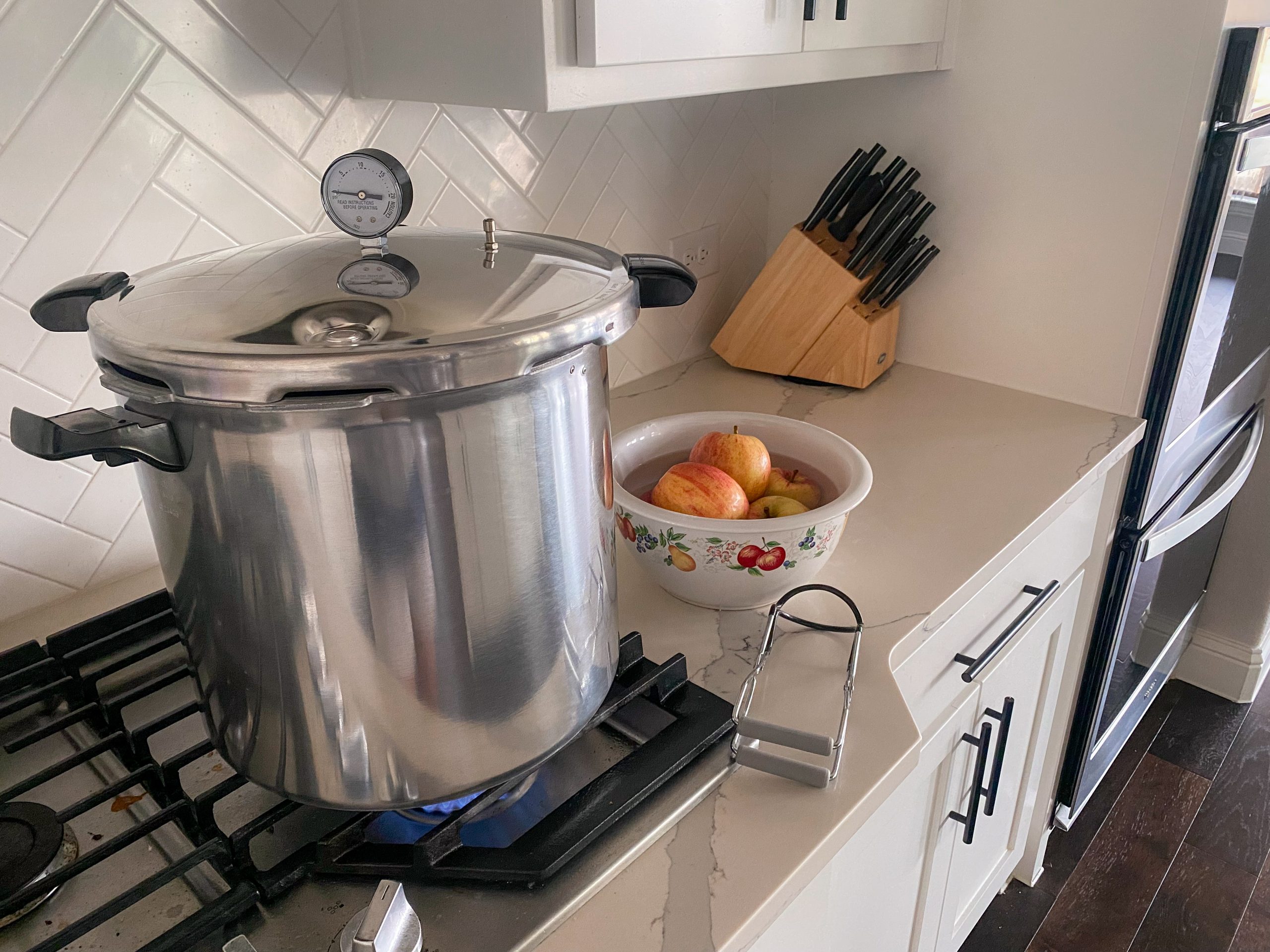


The journey to self sufficiency is one of the most rewarding you will embark on. It’s about learning to live independently, relying on your own skills and resources to meet your needs—and there’s something so rewarding about that, isn’t there? Building these skills not only gives you a sense of freedom and resilience, but it also prepares you to tackle life’s curveballs, whether it’s a sudden storm, an unexpected economic shift, or just the satisfaction of knowing you’ve got things covered. Imagine being able to preserve your own food or confidently handle a first-aid situation.
In this article, we’ll dive into some of the most essential skills for long-term self-reliance. Let’s explore how these abilities can set you up for a life filled with confidence and readiness.
Why Skills Are Critical For Self Sufficiency
Skills are the heartbeat of self-sufficiency. They empower us to take charge of our lives, tackling tasks on our own instead of relying on others. Think about it—whether it’s whipping up a homemade meal, creating a budget that works, fixing a leaky faucet, or mastering a professional skill, every new ability we gain saves time, money, and gives us a sense of pride. But self-sufficiency isn’t just about practicality—it’s about becoming someone your family, friends, and community can count on. When you build your skills, you’re not just taking care of yourself—you’re creating ripples of impact for everyone around you.
Picture this: You’ve just repaired something in your home that seemed impossible a few weeks ago, and your neighbor notices. Suddenly, they’re asking you for tips, and you’re sharing what you’ve learned. Or maybe you’ve cooked a delicious meal for loved ones after years of relying on takeout, and the joy it brings to the table is unmatched. That’s the magic of self-reliance! It’s not about isolating yourself or doing everything alone. In fact, it’s the opposite—it’s about strengthening your ability to lend a hand, share what you know, and deepen your connections with others.
Skills are more than just tools—they’re confidence boosters, resilience builders, and keys to adaptability. They help us face challenges head-on, and often, they inspire others to do the same. Every effort you put into becoming more self-sufficient also lifts up the people you care about and strengthens the community around you.
Keeping Record of Your Self-Sufficiency Skills
While keeping knowledge in your head is valuable, relying solely on memory can lead to crucial gaps and overlooked details. Building a practical and working knowledge alongside maintaining a physical record of your skills is essential for long-term self-sufficiency. A physical record, such as a journal, handbook, or even a compilation of printed resources, serves as an accessible and reliable reference during emergencies or when memory falters. It ensures that important insights and techniques aren’t lost over time and can be refined or adapted as you grow. Physical books allow you to create a personalized, tangible repository of knowledge—one that is immune to power outages, technological failures, or internet dependency.
Self-Sufficiency Skills You Must Learn
Here are some of the sufficiency skills that I think everyone should know. You won’t learn them overnight but you can get there with time. To keep track of your progress, download my free Self-Sufficiency Essentials Checklist.

Food Preservation and Storage
One of the cornerstones of self-sufficiency is the ability to preserve and store food. Knowing how to can, dehydrate, ferment, or freeze food allows you to extend the shelf life of your harvest or groceries, reducing waste and ensuring you have access to essential nutrients year-round. Canning, whether using a pressure canner or water bath canner, is particularly important for safely storing vegetables, fruits, and meats. Fermentation, a time-tested method, not only preserves food but also introduces probiotics beneficial for gut health. Mastering these techniques ensures that you can maintain a steady supply of food, even during lean times.
Gardening and Food Production
Growing your own food is another critical skill for self-reliance. A small vegetable garden can provide fresh produce, while cultivating crops like beans, squash, and leafy greens can drastically reduce dependency on grocery stores. Additionally, understanding soil health, crop rotation, and pest management will further enhance the efficiency of your garden. For those with more space, rearing livestock or poultry can supply protein in the form of eggs, milk, and meat. Developing gardening skills not only provides sustenance but also fosters a deep connection to the land.
Water Management
Access to clean and reliable water is non-negotiable for long-term sustainability. Learning to collect and purify water is essential, especially in rural or emergency settings. Skills like rainwater harvesting, building a well, or filtering water using ceramic or charcoal systems ensure that you always have clean water to drink, cook, and clean. Storing water safely is also vital, as contaminated water supplies can quickly lead to disease. Having a basic understanding of water conservation practices makes this resource last longer during droughts or emergencies.
Basic First Aid and Medical Knowledge
The ability to handle medical situations when professional help might not be accessible is indispensable. First aid skills, such as treating cuts, burns, or sprains, as well as knowing how to perform CPR, can save lives in critical moments. Additionally, having a well-stocked first aid kit and understanding how to use its contents is crucial. For more advanced preparedness, learning herbal remedies or basic diagnostic practices can be invaluable, especially in remote areas. These skills ensure that you and those around you remain healthy and safe, even in uncertain conditions.
DIY and Repair Skills
Being able to repair broken items is a fundamental aspect of living independently. Whether it’s fixing a leaky faucet, repairing small appliances, or sewing torn clothing, having basic mechanical and crafting knowledge reduces reliance on outside help. Carpentry, plumbing, and electrical repairs are especially valuable, as they allow you to maintain your home and infrastructure. Additionally, sharpening tools or maintaining equipment, such as chainsaws or generators, ensures that your resources remain functional and dependable over time.
Fire-Building and Heating
Fire-building is a timeless skill that remains just as vital today, especially for those living off-grid or in colder regions. Starting a fire in different conditions, such as during wet weather, is essential knowledge that can provide warmth, cook food, and sterilize water. For long-term heating solutions, understanding how to operate a wood stove or install a solar-powered system ensures you stay warm without relying on external utilities. Whether for survival camping or home heating, fire-building is an unstoppable skill to master.
Financial Literacy and Budgeting
Financial independence is another aspect of self-reliance that cannot be overlooked. Being able to create and stick to a sustainable budget allows you to live within your means while saving for emergencies. Minimizing debt, investing in essential resources, and understanding how to trade or barter in local economies further enhance your ability to thrive financially. Budgeting knowledge empowers you to make informed decisions, avoid financial pitfalls, and allocate resources efficiently.
Shelter Building and Maintenance
A secure, well-built shelter is the foundation of survival and self-sufficiency. Knowing how to construct a temporary or permanent shelter using locally available materials can make a significant difference in extreme conditions. For homeowners, learning to perform routine maintenance, from patching roofs to insulating walls, helps ensure the longevity and comfort of your living space. For preppers or outdoor enthusiasts, skills like building a tent, lean-to, or log cabin are invaluable for emergency use or long-term homesteading.
Cooking from Scratch
Cooking from scratch is a life skill that allows you to transform basic ingredients into nutritious and delicious meals. Knowing how to bake bread, make soups, or prepare staple foods like rice and beans enables you to maximize food supplies and limit reliance on pre-packaged goods. Furthermore, understanding how to plan meals based on seasonal ingredients ensures that you make the most of your harvest or local resources. Cooking is also a creative and satisfying practice that encourages self-sufficiency in your everyday life.
Hunting, Fishing, and Foraging
For those in rural or wilderness areas, hunting, fishing, and foraging provide additional food sources beyond gardening. Learning how to use a bow, rifle, or fishing rod effectively is key to obtaining protein, while foraging for edible plants, nuts, and berries offers supplementary nutrition. Equally important is the knowledge of identifying poisonous plants or unsafe environments to avoid hazards. These activities not only contribute to your food supply but also build a deeper understanding of ecosystems and natural balance.
Communication and Navigation
Maintaining communication and navigating unfamiliar areas are vital in emergencies or rural lifestyles. Skills like reading a map, using a compass, or operating a GPS device can guide you through unknown terrain. Additionally, understanding how to use ham radios or other communication tools ensures you stay informed, even when traditional infrastructure is down. These skills are particularly crucial for off-grid living or during natural disasters when fast action may be required.
Bartering and Trading
Self-reliance doesn’t mean complete isolation; it often requires cooperation within a community or local network. Bartering and trading skills allow you to exchange surplus goods or services for items you need. Whether offering homegrown produce, handmade crafts, or repair services, understanding the value of your contributions and how to negotiate effectively can help you thrive in collaborative environments. Trading fosters connections and strengthens community resilience.
Mental and Emotional Resilience
Finally, self-sufficiency is as much a mindset as it is a practical pursuit. Cultivating mental and emotional resilience enables you to adapt to challenges, make decisions under pressure, and maintain a sense of purpose. Practices like meditation, stress management, or journaling can help you build inner strength and clarity. Being able to persevere in the face of difficulties ensures you maintain balance and focus, even in the most unpredictable situations.
Final Thoughts
Developing self-sufficiency skills takes time, patience, and a commitment to adapt to evolving needs. While it may seem daunting at first, each skill you learn enhances your ability to live independently and confidently.
Thank you for reading this guide on developing self-sufficiency skills! We hope that it has provided valuable insights into the various aspects of living independently and encouraged you to continue learning and honing these essential abilities.

Interested in learning to accelerate your path to freedom? Click here. I'll help you speed up your path to freedom by decades.
Thanks for reading!


Food independence
How We Built A Years Worth of Food Security
Popular Posts

Self Sufficiency
My 2020 Wake Up Call That Changed My Life

self sufficiency
What Self Reliance Really Means

Food preservation
The #1 Skill That Saves Us $300/month
New around here? Start with these freebies
The Digital
FREEBIES
The Ownership Playbook
Cut off 10+ years to early freedom

The Book of Natural Remedies
download

The Canning Quick Start Guide
Can your first batch in 2 hours

