

When I first started looking into long-term food storage, my main goal was straightforward: I wanted to ensure my family always had enough to eat, no matter what happened. I quickly realized there’s more to stocking up than just randomly grabbing cans from grocery store shelves. To store food that lasts for years without losing taste, nutrition, or safety, you have to choose carefully and plan strategically. Through plenty of research, trial, and error, I’ve learned the best foods to keep on hand, how to store them properly, and ways to ensure they’ll stay fresh for decades.
Why Grains Are Essential for Long-Term Storage
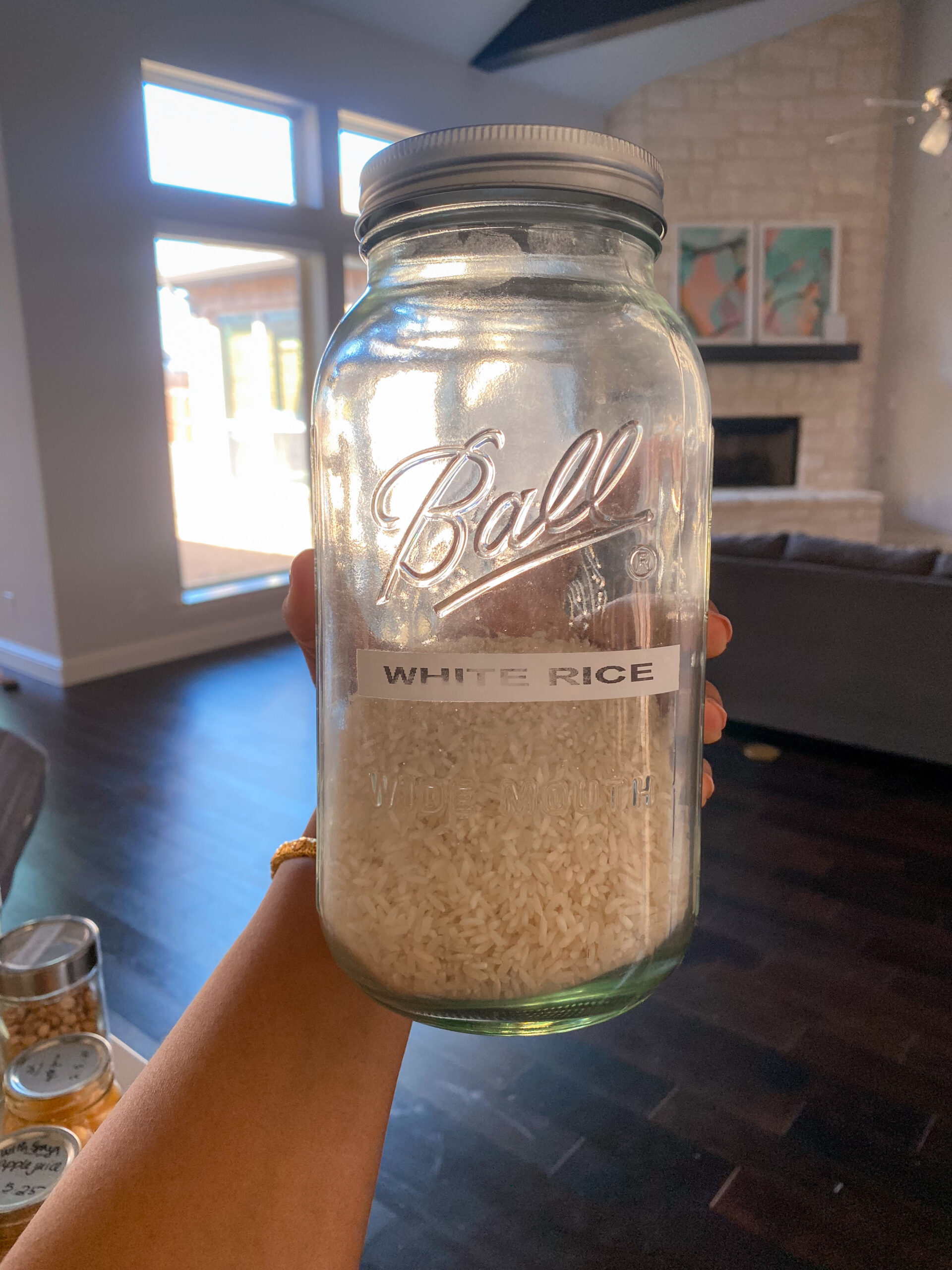
Grains are the backbone of any good food storage plan. They’re incredibly reliable, easy to store, and last for decades when properly preserved. Some of the best choices include white rice, oats, wheat berries, and quinoa. White rice is particularly valuable because it can remain fresh for up to 25-30 years when sealed in airtight containers with oxygen absorbers. This makes up the bulk of my grain reserves because I am obsessed with white rice in almost all of my meals. Rice is versatile enough for endless meal possibilities, from simple dishes to complex recipes.
Oats are another grain I always recommend because they’re nutritious, inexpensive, and versatile. Whether you’re making oatmeal, granola, or even using oats to thicken soups, they make a great staple. Wheat berries are perfect for grinding your own flour or adding to soups and stews for added nutrition. Quinoa is a powerhouse grain packed with protein and cooks quickly, making it perfect for emergencies or daily meal prepping.
Why Beans and Legumes Should Be in Your Pantry
Beans and legumes are affordable sources of essential nutrients like protein and fiber. Dry beans such as black beans, kidney beans, lentils, chickpeas, and split peas can easily be stored for over 20 years if properly sealed. Beans are not only cost-effective, but they’re filling and incredibly versatile in the kitchen. They work beautifully in hearty soups, comforting chili, nutritious salads, and even baked goods.
When storing beans, ensure they’re sealed tightly to prevent exposure to moisture, air, and pests. My preferred method is using Mylar bags with oxygen absorbers inside food-grade buckets. This combination ensures your beans remain fresh and safe to eat for decades.
The Shelf Life of Pasta and Noodles
Pasta and noodles might not seem like traditional survival foods, but they store exceptionally well. Dried pasta can easily last between 20 and 25 years if stored properly in airtight containers. Pasta options like spaghetti, macaroni, lasagna noodles, and egg noodles offer comforting and convenient meals with minimal effort. When paired with sauces or freeze-dried vegetables and meats, you can create nutritious and delicious meals that your family will enjoy.
The Benefits of Freeze-Dried and Dehydrated Fruits and Vegetables
Freeze-dried or dehydrated fruits and vegetables are excellent for long-term storage because they retain much of their nutritional value and rehydrate quickly. My top picks include apples, bananas, berries, corn, peas, carrots, potatoes, and spinach. These foods usually last 20-30 years when stored correctly in airtight containers with oxygen absorbers.
Not only do these fruits and vegetables offer essential vitamins and minerals, but they also help prevent “food fatigue”—the boredom that comes from eating the same foods repeatedly. By adding variety to your pantry meals, you’ll help maintain morale and overall health.
Protein-Rich Foods for Long-Term Storage
Protein-rich foods are critical for staying nourished and satisfied. Canned meats like chicken, tuna, salmon, and beef have a respectable shelf life of several years, but freeze-dried meats can last even longer—up to 25 years. Beef, chicken, turkey, pork, and seafood such as shrimp freeze-dry exceptionally well and rehydrate quickly, making meal prep straightforward.
Other protein sources worth mentioning are peanut butter and powdered peanut butter, which offer healthy fats and protein. Powdered eggs also deserve attention since they last up to a decade or longer and provide versatility in your cooking. These products help ensure that protein remains part of your diet, even during extended emergencies or supply disruptions.
Storing Dairy Products for Long-Term Use
Powdered dairy products like milk, cheese, and butter powder are not the first items that come to mind for long-term food storage, but they’re incredibly valuable. These products typically have a shelf life of up to 20 years when stored properly. They’re excellent for making nutritious, creamy dishes, sauces, soups, pasta, or even desserts. Having dairy alternatives available can significantly improve your meal options and add comforting flavors to your diet during challenging times.
The Role of Sweeteners in Long-Term Storage
Honey and maple syrup are natural sweeteners that can remain edible indefinitely if stored correctly. Honey, in particular, never spoils, making it a pantry essential. It’s naturally antibacterial, delicious, and versatile. Maple syrup also boasts an impressive shelf life and adds delightful sweetness to your meals, making long-term storage less monotonous.
Choosing the Right Fats and Oils for Storage
Oils and fats are necessary components of a balanced diet but can be tricky for long-term storage. Among cooking oils, coconut oil offers the longest shelf life—up to 5 years—due to its high saturated fat content. Olive oil and vegetable oil have shorter shelf lives and require regular rotation. Shortening or lard can last several years when stored properly, making them a reliable alternative for long-term use.
Salt and Sugar: Indispensable Pantry Staples
Salt and sugar, pantry essentials, essentially last indefinitely. Salt is critical for seasoning and preserving food, while sugar is valuable for cooking, baking, and sweetening. Both have practical uses beyond food preservation, including bartering or trade during extended emergencies.
Spices and herbs significantly enhance the flavor of stored food. Although they don’t last indefinitely, dried spices typically remain potent for several years when stored correctly. Staples like black pepper, garlic powder, onion flakes, chili powder, oregano, basil, and cinnamon are great additions. Store them in airtight containers away from heat, moisture, and direct sunlight.
Coffee and Tea: Comfort and Energy
Coffee and tea offer comfort, familiarity, and even a boost of energy during tough times. Instant coffee, vacuum-sealed coffee beans, and tea bags can last many years when stored properly, making them great additions to your long-term pantry.
Best Storage Practices for Longevity
Proper storage methods significantly impact how long food stays fresh. The best practices involve keeping food cool, dry, dark, and airtight. Mylar bags combined with oxygen absorbers, stored in food-grade buckets, are highly effective. Always label stored foods clearly with the contents and date, and rotate older items to maintain freshness.
Avoid common storage mistakes, such as keeping food near heat sources or in humid areas, which drastically shorten shelf life. Regularly inspect your stored foods for any signs of spoilage or pests to minimize loss.
Final Thoughts on Long-Term Food Storage
Building a long-term food pantry is one of the smartest, most practical steps you can take toward self-sufficiency and security. With thoughtful planning and careful selection of foods, you can confidently provide nutritious and enjoyable meals for your family, no matter the circumstances.
If you’re ready to begin your journey, I recommend exploring my Food Preservation Collection. You’ll find all the tools and supplies necessary to create a reliable, long-lasting food storage system. With a bit of preparation, you’ll have peace of mind knowing your family is ready for anything.

Interested in learning to accelerate your path to freedom? Click here. I'll help you speed up your path to freedom by decades.
Thanks for reading!


Food independence
How We Built A Years Worth of Food Security
Popular Posts

Self Sufficiency
My 2020 Wake Up Call That Changed My Life

self sufficiency
What Self Reliance Really Means

Food preservation
The #1 Skill That Saves Us $300/month
New around here? Start with these freebies
The Digital
FREEBIES
The Ownership Playbook
Cut off 10+ years to early freedom

The Book of Natural Remedies
download

The Canning Quick Start Guide
Can your first batch in 2 hours

