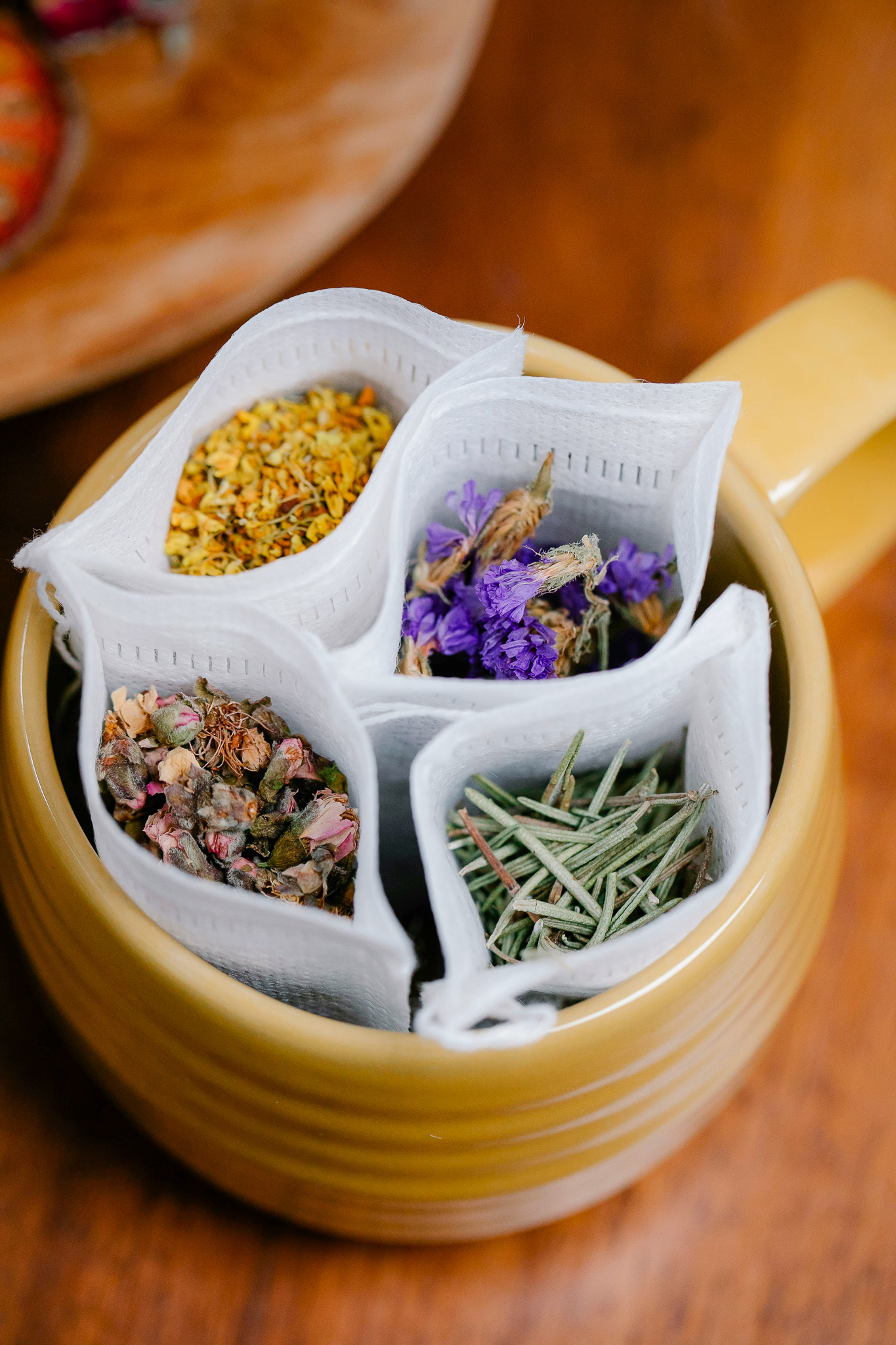


There’s nothing quite like the taste fresh herbs can add to a dish. Herbs can elevate flavors, and some may even have health benefits. While you can find dried herbs in grocery stores and on online marketplaces, the taste is never quite the same as when they’re fresh. Unfortunately, if you don’t store and preserve fresh herbs properly, you’re left with an unusable glob. This means you need to know how to preserve fresh herbs. Thankfully, the process is pretty simple and doesn’t take a lot of time.
How to Preserve Fresh Herbs
Before you can start preserving fresh herbs, you need to know the difference between the two types. Herbs are classified into two categories: soft and hardy. Don’t worry; telling the difference between the two types is relatively easy.
Soft herbs have delicate leaves and soft stems. Some stems are even edible but may have a bitter taste. Basil, cilantro, dill, mint, and parsley are examples of soft herbs. Tough leaves and woody stems are common characteristics of hardy herbs. A quick note: stems on hardy herbs are typically not edible. Oregano, thyme, and rosemary are popular hardy herbs.
While most herbs are stored in the fridge, how you preserve them makes a difference. If the herbs aren’t properly preserved, even storing them in the refrigerator isn’t going to help them stay fresh.
Wash the Herbs Before Preserving
Even though you may use different preservation methods for various herbs, one step remains the same regardless of the type. To remove any bacteria, along with dirt and other debris, wash the herbs thoroughly under cool water. Just give the herbs a quick rinse, there’s no need for soaking or scrubbing. This can damage delicate leaves and add unnecessary time to the storage process.
Don’t forget to let the herbs dry. You can blot the excess moisture with a paper towel. You can also lay the herbs out and let them air dry. Drying should only take a couple of minutes and then you’re ready to start preserving the herbs.
Preserving Fresh Soft Herbs
Using this method, your soft herbs can stay fresh in the fridge for anywhere from 10 to 14 days.
- Remove the ties or rubber bands. Soft herbs like parsley typically come in bunches. Removing the bands lets the herbs breathe and can prevent damage to the tender leaves and stems.
- Run the herbs under cool water to remove any dirt and bacteria. You can also fill a bowl with water and swish the herbs around. If there are bits of dirt in the bowl, dump the old water out and refill it for the next batch of herbs. If you’re only preserving a single batch of soft herbs, go ahead and rinse the bowl out and let it air dry.
- This is usually the most time-consuming step. If you have a salad spinner, you can shorten the drying time by a few seconds. If you don’t have a salad spinner in your kitchen, no worries. Paper towels will work fine. Toss the wet herbs in the salad spinner and give them a spin in a gentle setting. Take the herbs out and space them out on a paper towel to finish drying. Grab another paper towel and gently blot out any remaining moisture. You may need to use more than one paper towel sheet to dry the herbs if you’re not using a salad spinner.
- After drying the herbs, grab your kitchen scissors. You want to cut about an inch or so off of the stems. Don’t worry about a precise measurement; you’re only evening up the stems and removing excess.
- Fill a glass with water about a quarter of the way to the top. You want the stems to be submerged but not the leaves.
- Cover the glass with a recycled plastic bag. The ones you get from the grocery store will work great. Tie the bottom of the bag to prevent air from getting in.
- Now, it’s time to place the covered glass in the fridge. You may need to add fresh water every couple of days.
When it comes to preserving fresh basil, the process is a little different. The leaves bruise easily and this can turn the foliage black. You’ll follow most of the steps for preserving soft herbs; just skip the salad spinner or blotting excess moisture with a paper towel. Let basil air dry to avoid bruising the leaves.
Preserving Hardy Herbs
Preserving fresh, hardy herbs is easy. After rinsing off any bacteria and dirt, trim off about an inch of the stems. Grab your paper towels. You want to remove any moisture from the leaves. You can roll the herbs in a paper towel to blot up any excess water. You can also let the herbs air dry. It only takes a few minutes.
You’ll also need a Ziploc bag, maybe more than one, depending on the quantity of herbs. Place the herbs in the baggies, but don’t overstuff. You want to give the herbs some room to breathe. Try to avoid filling the baggie past the halfway point. Close the baggie and place it in the refrigerator. When preserved correctly, hardy herbs can stay fresh for up to around three weeks in the fridge.
Sustainable Herb Preservation
Now, I do my best to choose sustainable practices when possible. I am by no means a zero waste, low consumption expert but we do practice kitchen swaps when they’re easy. If you prefer not to use plastic bags or Ziploc bags, you’re able to purchase an inexpensive herb saver specifically designed to keep your herbs fresh in the refrigerator. I love them because you buy them once (unlike plastic bags that you must purchase ongoingly) and they look great too. Overtime, you can likely reduce your costs.
[amazon box=”B0BZYTHV6P” description=”This fresh herbs keeper made of abs grade, it is durable and safe for use. Our herb storage containers are designed to prolong the life of your fresh herbs, while being easy to use and fit into any fridge door.”]
How do you know if your preserved herbs are still good? When the leaves start wilting and turning black, it’s time to toss the stored herbs. You can toss it in a stew, prepared broth or out for scraps.
Why Stored and Preserved Herbs Go Bad
If you’re having problems keeping your preserved herbs fresh for more than a couple of days, you may be leaving moisture on the leaves. If there isn’t enough water in the glass, soft herbs can quickly start drooping. The temperature of your fridge can also be a problem. Try to avoid storing preserved fresh herbs in the back of the fridge where temperatures tend to be colder.
Enjoy Fresh Herbs Throughout the Year
Preserving and storing fresh herbs is easy, regardless of the variety. Just remember to remove all excess moisture and follow the right steps for the type of herbs you’re preserving.

Interested in learning to accelerate your path to freedom? Click here. I'll help you speed up your path to freedom by decades.
Thanks for reading!


Food independence
How We Built A Years Worth of Food Security
Popular Posts

Self Sufficiency
My 2020 Wake Up Call That Changed My Life

self sufficiency
What Self Reliance Really Means

Food preservation
The #1 Skill That Saves Us $300/month
New around here? Start with these freebies
The Digital
FREEBIES
The Ownership Playbook
Cut off 10+ years to early freedom

The Book of Natural Remedies
download

The Canning Quick Start Guide
Can your first batch in 2 hours

