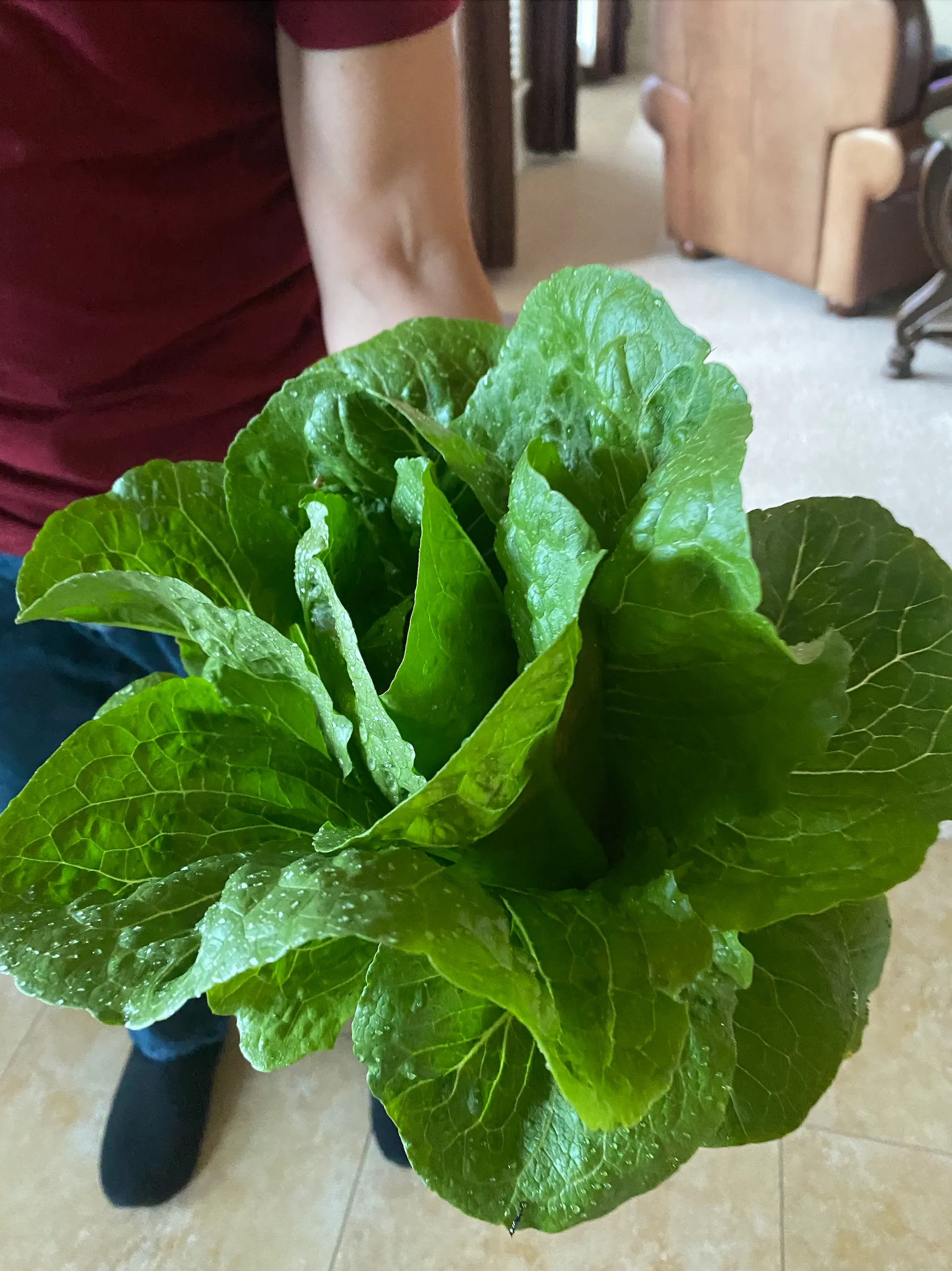


The first tomato of the season bursts with flavor impossible to find in any grocery store. Its rich, complex taste tells the story of soil you nurtured, seeds you planted, and care you provided throughout the growing season. This isn’t just a vegetable. It’s proof that you can create abundance with your own hands while building security for your family’s future.
You’ve wondered whether growing food is worth the effort. You’ve questioned if small gardens really make a difference. You’re about to discover compelling reasons you should grow your own food that extend far beyond saving money at the grocery store. These benefits transform your health, strengthen your community, and build resilience in an increasingly uncertain world.
1. Superior Nutrition and Flavor
The most obvious of all reasons you should grow your own food involves the dramatic difference in nutrition and taste. Vegetables lose nutrients rapidly after harvest, but homegrown produce goes from garden to table within hours. This preserves peak vitamin and mineral content impossible to achieve with commercial produce traveling thousands of miles.
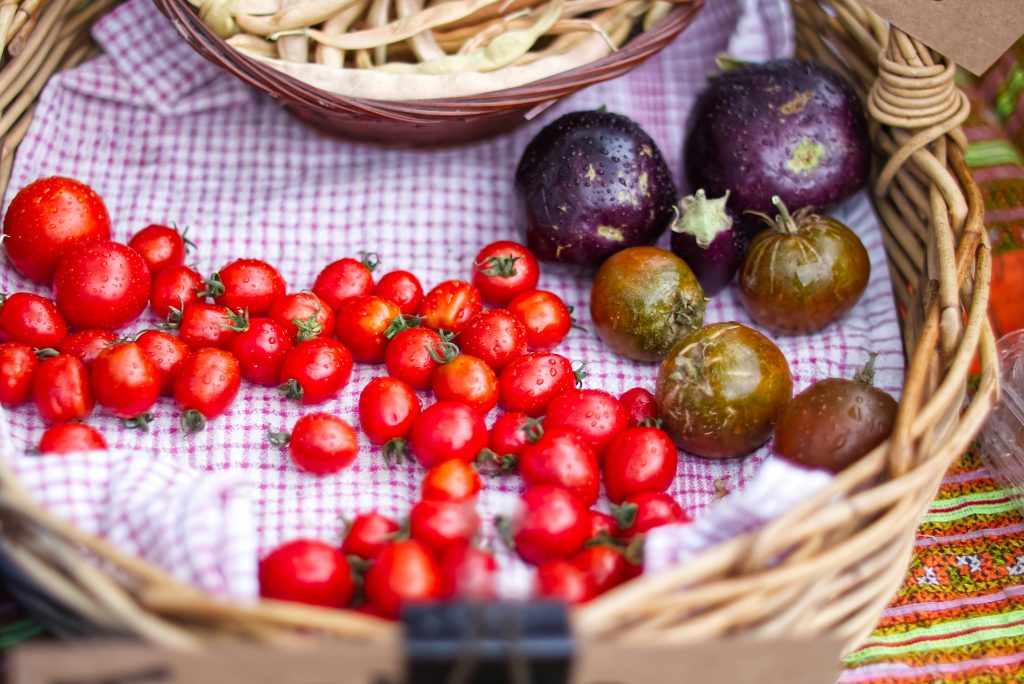
Your homegrown vegetables also reach full ripeness before harvest, maximizing flavor compounds and nutritional density. Commercial produce gets picked early for shipping durability, never developing the complex flavors possible with tree or vine ripening. The difference in taste becomes immediately apparent with your first homegrown tomato or fresh-picked strawberry.
2. Complete Control Over Growing Methods
Another compelling reason among reasons you should grow your own food is having total control over growing practices affecting your family’s health. You choose whether to use organic methods, chemical fertilizers, or pesticides. You decide what goes into the soil and onto your plants throughout the growing season.
This control becomes especially valuable for families avoiding specific chemicals or following organic lifestyles. Commercial organic produce still allows many approved chemicals and processing methods. Growing your own food eliminates any uncertainty about production methods affecting your family’s nutrition and health.
3. Significant Cost Savings
Financial considerations represent practical reasons you should grow your own food for your family budget. A $2 packet of tomato seeds can produce 50+ pounds of tomatoes worth $150+ at grocery store prices. Even accounting for soil amendments, tools, and time investment, homegrown produce offers remarkable return on investment.
Specialty vegetables and herbs provide even greater savings potential. Expensive items like fresh herbs, heirloom varieties, and organic produce cost pennies to grow at home. These savings compound over multiple growing seasons as you build soil health and expand garden productivity.
4. Food Security and Resilience
The world is changing and owning more of your base needs provides security and resilience for your family’s base needs. Growing your own food creates independence from supply chain disruptions, price volatility, and availability issues affecting grocery stores. Your garden produces food regardless of external circumstances beyond your control.
This food security extends beyond emergency preparedness to everyday resilience. When grocery prices spike or specific items become scarce, your garden continues producing fresh, nutritious food for your family. This stability becomes increasingly valuable as global food systems face ongoing challenges and uncertainty.
5. Environmental Benefits
Environmental reasons you should grow your own food include reducing transportation emissions from shipping produce across continents. Your backyard vegetables travel feet instead of thousands of miles to reach your dinner table. This dramatically reduces carbon footprint while supporting local ecosystem health through reduced packaging and processing.
Homegrown food production also supports biodiversity through heirloom varieties, beneficial insect habitat, and soil health improvement. Small-scale gardens create wildlife corridors and pollinator support often missing from industrial agricultural landscapes. Your garden becomes part of local environmental stewardship efforts.
6. Physical and Mental Health Benefits
Gardening provides excellent physical exercise through digging, planting, weeding, and harvesting activities. This outdoor activity combines cardiovascular exercise with strength training while exposing you to beneficial soil microorganisms supporting immune system health. Gardening burns more calories than many gym activities while producing nutritious food.
The mental health benefits of gardening include stress reduction, mindfulness practice, and connection to natural cycles. Working with soil and plants triggers measurable reductions in cortisol levels while increasing serotonin production. These psychological benefits support overall wellness while creating productive outdoor activity.
7. Educational Value for Families
Teaching children where food comes from represents invaluable reasons you should grow your own food for family education. Kids who grow vegetables eat more diverse, nutritious diets while developing appreciation for natural processes. This hands-on education creates lifelong skills and values impossible to achieve through classroom learning alone.
Family gardening projects build cooperation, responsibility, and problem-solving skills while creating shared goals and achievements. Children learn patience, planning, and delayed gratification through seed-to-harvest experiences. These lessons transfer to other areas of life while strengthening family bonds through shared activities.
8. Community Connection and Sharing
Growing your own food creates opportunities for community building through seed sharing, garden advice, and surplus distribution. Gardeners naturally connect with neighbors through shared interests and mutual support. These relationships strengthen community resilience while creating social networks extending beyond gardening activities.
Surplus garden production enables food sharing with friends, neighbors, and local food banks. This sharing creates goodwill while reducing food waste and supporting community food security. Many gardeners find the social aspects of growing and sharing food as rewarding as the production itself.
9. Preservation and Storage Skills
Learning food preservation techniques represents long-term reasons you should grow your own food for extended benefits. Canning, dehydrating, and freezing surplus garden produce extends harvest benefits throughout the year. These skills create food storage capabilities while reducing dependence on grocery stores during off-seasons.
Preservation skills also support bulk purchasing and processing of seasonal abundance. When you know how to preserve food properly, you can take advantage of peak season pricing and availability while maintaining nutrition and flavor throughout storage periods.
10. Skills Building and Self-Reliance
The final among these compelling reasons you should grow your own food involves building practical skills supporting greater self-reliance. Gardening teaches plant biology, soil science, weather patterns, and resource management through hands-on experience. These skills transfer to other areas of self-sufficiency and problem-solving.
Learning how to become self-sufficient often begins with food production skills that build confidence and capability. Successful gardening proves you can create abundance through knowledge and effort rather than depending entirely on external systems. This self-reliance mindset supports resilience in many areas of life beyond food production.
Start Your Growing Journey Today
These ten compelling reasons you should grow your own food demonstrate benefits extending far beyond simple cost savings or hobby satisfaction. You’re building health, resilience, community connection, and valuable skills while creating security for your family’s nutritional future.
Every seed you plant represents investment in independence and abundance that commercial food systems simply cannot provide. Your garden becomes a source of nutrition, education, community, and peace of mind that grows stronger with each season. Start small, learn continuously, and discover the incredible satisfaction that comes from feeding your family with food you grew yourself. The world may be changing around us, but your garden provides stability, security, and abundance you can count on regardless of external circumstances.

Interested in learning to build more options out of the system? Click here. Or join my newsletter where I share tips each week.
Thanks for reading!


Food independence
How We Built A Years Worth of Food Security
Popular Posts

Self Sufficiency
My 2020 Wake Up Call That Changed My Life

self sufficiency
What Self Reliance Really Means

Food preservation
The #1 Skill That Saves Us $300/month


New around here? Start with these resources
the FREEBIES

How To Detox Your Home Naturally
download
Self Sufficiency Checklist
download
The World Full of Natural Remedies
download
A daily 90-second lesson delivered straight to your inbox, with the exact steps I took to eliminate my dependencies - house, electricity, water, food - and get out in just 5 years (without leaving the suburbs, without acres of land).
Fast track your exit path from 30 -> to 5 years
free email course

Join over 1K+ Individuals & families
